
- India,
- 24-Sep-2026 05:48 PM IST



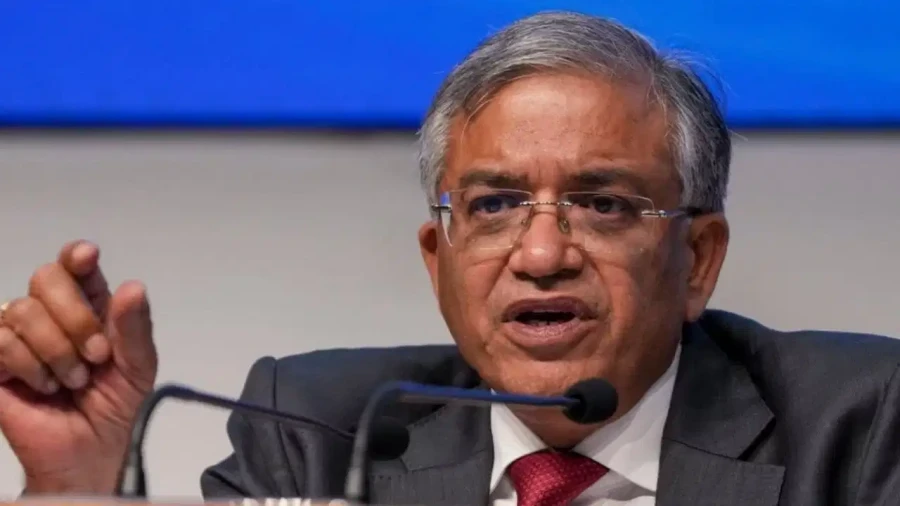
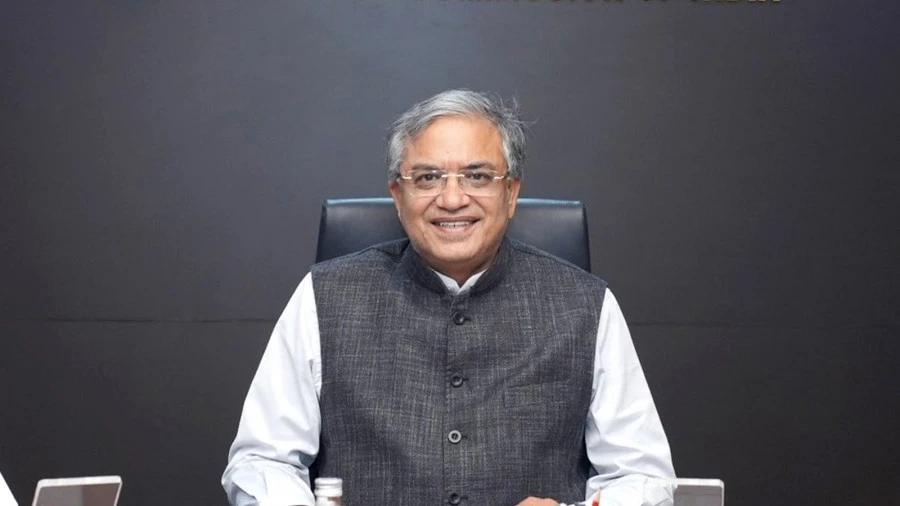
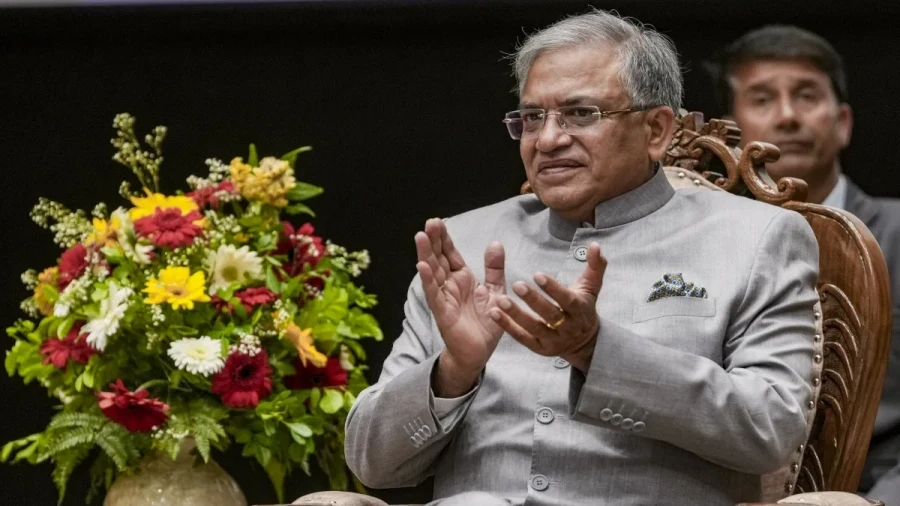
The political atmosphere in the country is set for a major confrontation as opposition parties have initiated the process to bring an impeachment motion against the Chief Election Commissioner (CEC) Gyanesh Kumar. This significant move is being spearheaded by the Congress party, which has already started reaching out to various other opposition entities to form a united front on this issue, while according to high-level sources within the Congress, the formal notice for the impeachment motion is expected to be submitted in both the Lok Sabha and the Rajya Sabha within the next two weeks. The INDI alliance, which represents the collective strength of the opposition, has already begun the necessary groundwork and strategic preparations for this constitutional challenge.
Allegations of Irregularities in Voter List Revision
The primary driver behind this drastic step is the controversy surrounding the Special Intensive Revision (SIR) of the voter list. The opposition has raised serious questions about the transparency and fairness of the Election Commission's functioning, particularly concerning how electoral rolls are being updated. A recent media report has played a crucial role in this development, claiming that there has been significant internal friction within the commission over the past 10 months. The report suggests that the functioning of the commission under CEC Gyanesh Kumar has faced internal scrutiny from within its own ranks.
Internal Dissent Within the Election Commission
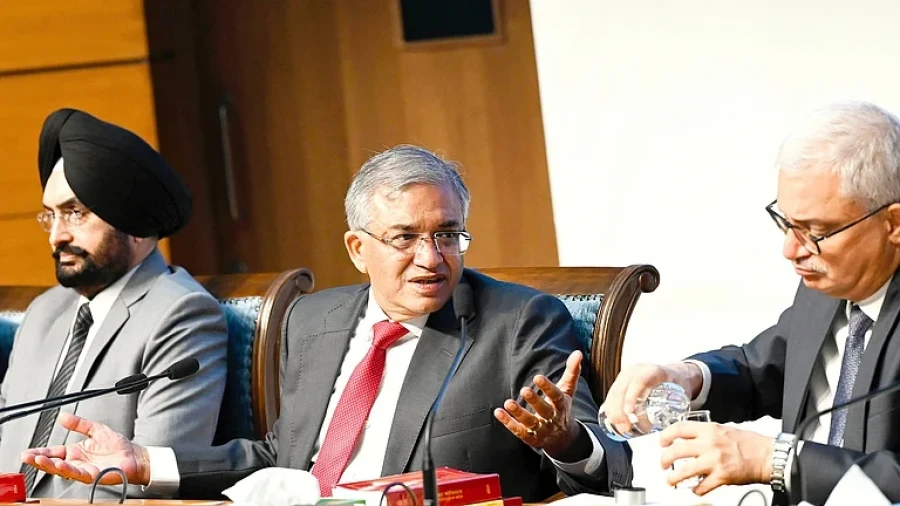
The media report specifically highlighted that Election Commissioners Sukhbir Singh Sandhu and Vivek Joshi had expressed their strong objections on multiple occasions. These objections were reportedly related to certain decisions and procedural choices made by the commission during the last 10 months. The report, which appeared in the Indian Express, claimed that both Sukhbir Singh Sandhu and Vivek Joshi raised concerns regarding the addition and deletion of names during the Special Intensive Revision (SIR) of voter lists across the country. The opposition has seized upon these internal disagreements as evidence of systemic issues within the commission's leadership.
Historical Context and Previous Notices
This isn't the first time that CEC Gyanesh Kumar has faced such a challenge from the opposition. According to the reports, opposition parties had previously sought action against him. It has come to light that a notice for his removal was given in the Rajya Sabha in April 2026. That particular notice reportedly carried the signatures of 73 Members of Parliament, indicating a long-standing grievance among the opposition ranks regarding his tenure and decisions. Now, the Congress is looking to consolidate this sentiment and bring a fresh proposal in both Houses of Parliament to address these concerns formally.
Constitutional Framework and Article 324(5)
The process of removing a Chief Election Commissioner is a rigorous and complex constitutional procedure. Under Article 324(5) of the Constitution of India, the CEC can only be removed from office in a manner and on grounds similar to those of a Judge of the Supreme Court. This requires a specific and stringent procedure to be followed within the Parliament. The opposition's decision to move this motion signifies their intent to use this constitutional provision to hold the commission's leadership accountable. While the preparation for the notice is underway, the actual passage of such a motion would require substantial support across the political spectrum in both houses.
Election Commission's Response to Allegations
In light of the media reports and the opposition's planned move, the Election Commission has come forward with a clarification. The commission has stated that the existence of differing opinions during internal deliberations is a normal and healthy part of any democratic decision-making process. The EC maintained that all its decisions and actions are strictly in accordance with established statutory procedures and legal frameworks. Despite this clarification, the opposition remains focused on the specific objections raised by the other two commissioners regarding the SIR process, which they believe warrants a full parliamentary inquiry through the impeachment process.