
- India,
- 25-Sep-2026 05:46 AM IST



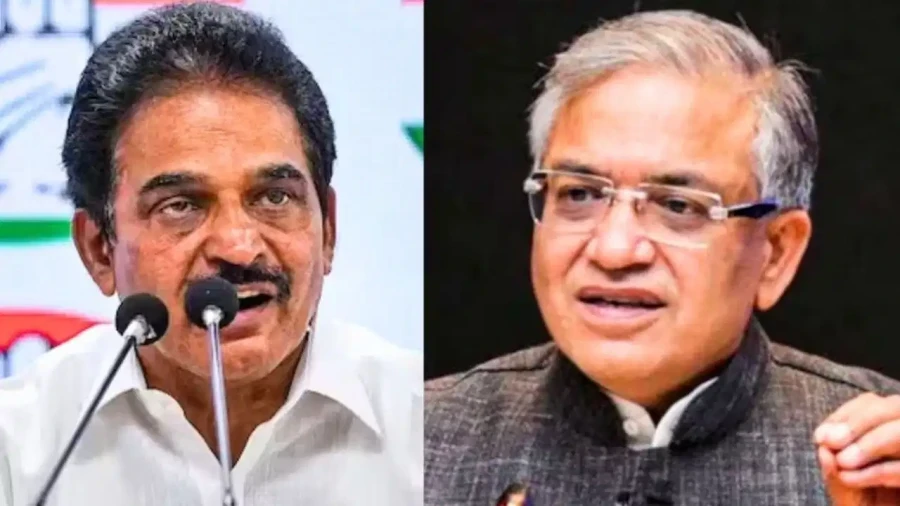
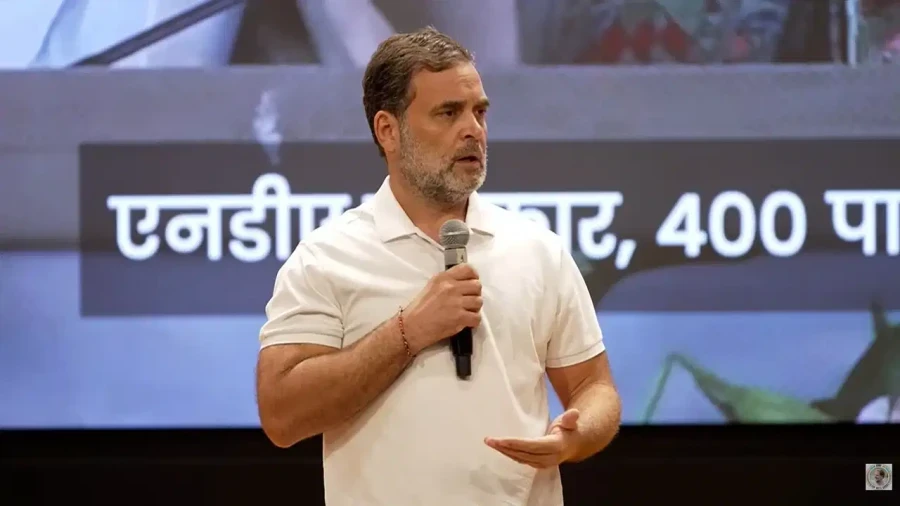
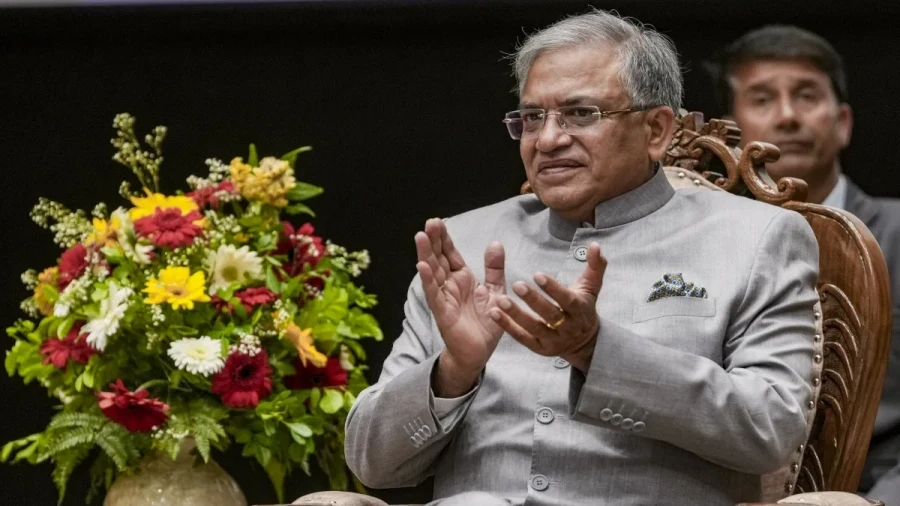
The political landscape in India is witnessing a significant stir as the Leader of the Opposition in the Lok Sabha, Rahul Gandhi, has launched a scathing attack on the country's top electoral leadership, while this development follows media reports highlighting internal friction within the Election Commission of India (ECI). Rahul Gandhi has explicitly termed those allegedly involved in vote theft as traitors, signaling a major confrontation between the opposition and the poll body. The controversy centers around Chief Election Commissioner (CEC) Gyanesh Kumar, who is now facing the prospect of an impeachment motion from the united opposition.
Internal Rifts and Allegations
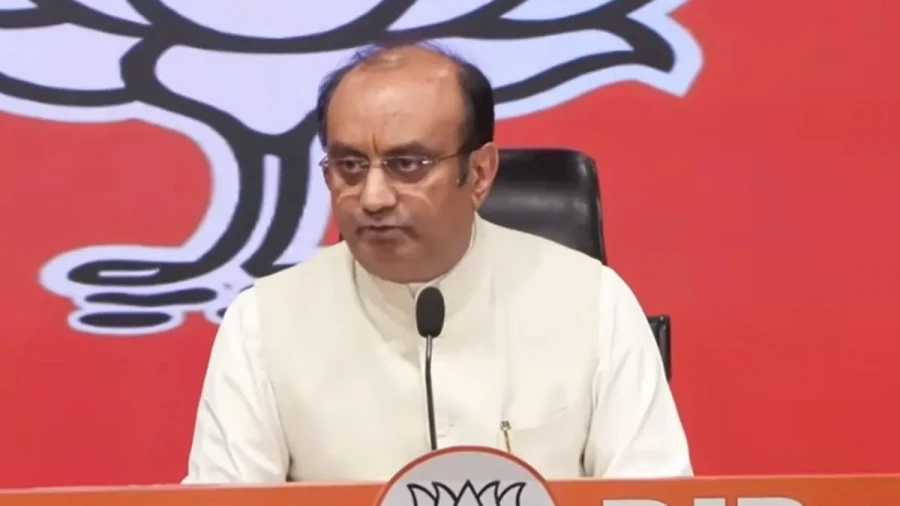
According to media investigations, the internal functioning of the Election Commission has been under strain. Reports indicate that the two other Election Commissioners, Sukhbir Singh Sandhu and Vivek Joshi, have formally registered their dissent against the working methods of CEC Gyanesh Kumar. It has been revealed that on 14 separate occasions, these commissioners submitted written objections regarding the management of voter list data and the overall administrative approach led by the CEC. These internal documents have provided the opposition with ammunition to question the transparency and impartiality of the electoral process. The opposition has alleged that these differences point towards a deeper crisis within the institution responsible for conducting free and fair elections in the world's largest democracy.
The Impeachment Plan
In response to these revelations, the opposition has announced its intention to bring an impeachment motion against CEC Gyanesh Kumar in both houses of Parliament. Legal experts are currently being consulted to draft the formal notice for the impeachment motion. The joint opposition plans to submit this notice soon, which could lead to significant legal and political challenges for the Chief Election Commissioner, while the move is seen as an attempt to hold the top leadership of the ECI accountable for the alleged irregularities and internal mismanagement reported by the other commissioners.
The Significance of the CEC Post
The Election Commission of India consists of three members, with the Chief Election Commissioner holding the most pivotal position, while while there are two other commissioners, the structure of the commission is designed such that all major decisions and consensus must ideally involve all three members. Decisions are expected to be taken unanimously to maintain the integrity of the body, while the recent reports of 14 instances of written objections suggest a breakdown in this consensus-based decision-making process, which has prompted the opposition to demand the removal of Gyanesh Kumar from his post.
Appointment Rules for Election Commissioners
The responsibility of conducting fair and independent elections rests on the ECI. The appointment of the CEC and other commissioners is a formal process where the President of India makes the appointments based on the recommendations of a three-member selection committee. This committee includes the Prime Minister, the Leader of the Opposition in the Lok Sabha, and a member of the Union Cabinet. According to the 2023 law, individuals appointed as election commissioners must have prior experience serving at secretary-level positions in the government. They're required to be individuals of integrity with extensive knowledge and experience in election management and operations. The tenure for these appointments is fixed at 6 years or until the age of 65 years, whichever comes first. Plus, the CEC is entitled to the same facilities and financial benefits as a Judge of the Supreme Court of India.
The Legal Procedure for Removal
Under Article 324(5) of the Constitution of India, the Chief Election Commissioner is granted a high level of protection to ensure the independence of the electoral process. The law stipulates that the CEC can only be removed from office in a manner and on grounds similar to those of a Judge of the Supreme Court. This protection is further reinforced by Section 11(2) of the 2023 Act. The primary grounds for such a removal are limited to proven misbehavior or incapacity. Misbehavior can include any corrupt practices or the misuse of the official position, while incapacity refers to a situation where the official is unable to perform their duties. It's important to note that no other election commissioner or regional commissioner can be removed from office without the specific recommendation of the Chief Election Commissioner. This rigorous process was designed to shield the ECI from political pressure.
The Impeachment Process in Parliament
To initiate the removal of the CEC, members of both houses must bring a notice for a motion, commonly referred to as an impeachment motion, detailing clear allegations of misbehavior or incapacity. For the motion to be accepted, it must be signed by at least 100 members of the Lok Sabha or 50 members of the Rajya Sabha. If the motion is admitted, an investigation is conducted to verify the truth of the allegations. Following the investigation, the proposal for removal must be passed by both houses of Parliament with a two-thirds majority of the members present and voting. Once the resolution is passed by both houses, the President issues the order for the removal of the CEC. In this constitutional framework, the President acts on the advice of Parliament once the requirements are met.
Previous Attempts and Historical Context
This isn't the first time such a move has been initiated, while in April, the Chairman of the Rajya Sabha and the Speaker of the Lok Sabha rejected impeachment motions filed by the opposition against CEC Gyanesh Kumar. Earlier this year, on March 12, the Trinamool Congress, led by Mamata Banerjee, spearheaded the opposition's effort to introduce the impeachment motion in both houses. At that time, the motion in the Lok Sabha was signed by 130 MPs, while the Rajya Sabha motion had the signatures of 63 MPs. The allegations at that time included biased and discriminatory behavior, as well as obstructing investigations into election fraud and SIR. Despite the high number of signatures, those motions didn't proceed further, but the current controversy has reignited the opposition's push for removal.