

- India,
- 07-Mar-2026 01:44 PM IST


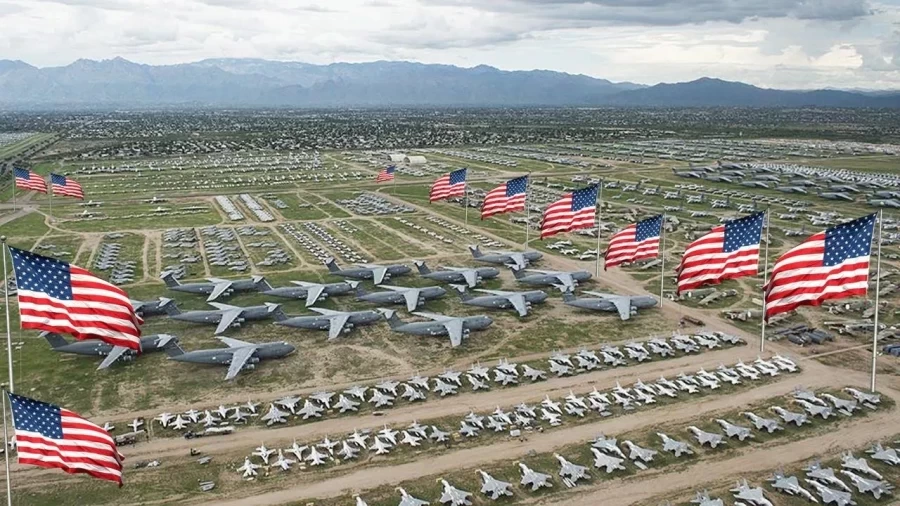
According to defense officials and global security experts, the United States maintains the world's most extensive military infrastructure, with approximately 750 to 800 bases spread across more than 80 countries and territories. This network includes airbases, naval ports, army installations, logistics centers, and missile defense sites, while s. with an unprecedented capability to conduct military operations and protect its interests globally. The strategic significance of these bases has come into sharp focus during the recent escalation of tensions between Iran and Israel.
Expansion and Structure of the Global Military Network
S. military footprint spans across Asia, Europe, the Middle East, and Africa. While official government figures may sometimes reflect lower numbers, independent researchers and reports indicate that when including small logistics hubs and temporary facilities, the count exceeds 750. Many of these installations are permanent, while others operate as 'lily pad' sites, designed for rapid activation during specific missions. This global network allows for the swift projection of power and serves as a deterrent in various geopolitical theaters.
Major Airbases and Aerial Dominance
S. Air Force and Navy operate hundreds of airfields worldwide. Key foreign installations include Ramstein Air Base in Germany, Aviano Air Base in Italy, Kadena Air Base in Japan, and Incirlik Air Base in Turkey. S. military personnel. These airbases aren't only vital for deploying fighter jets but also serve as essential hubs for global logistics, refueling, and intelligence-gathering missions.
Naval Ports and Maritime Control
S. Navy maintains between 50 and 80 major naval bases globally, enabling the operation of warships and aircraft carriers across all oceans. Strategic locations such as Naval Support Activity in Bahrain, Yokosuka Naval Base in Japan, Naval Station Rota in Spain, and the Diego Garcia military base in the Indian Ocean are critical. S. to secure international shipping lanes and deploy naval assets rapidly to any maritime region in response to emerging threats.
Strategic Significance in the Middle East Conflict
S. bases in the Middle East have gained heightened importance. Installations in Qatar, Kuwait, the United Arab Emirates, and Bahrain are considered central to any potential military response. According to reports, these bases facilitate continuous aerial and maritime surveillance across the region. In the event of an escalation, these sites would be instrumental for both defensive measures and offensive operations, acting as a primary layer of regional security.
The Forward Deployment Strategy
S. ' This approach involves maintaining military infrastructure near potential conflict zones to ensure immediate reaction capabilities during a crisis. No other nation, including Russia, China, or the United Kingdom, possesses a foreign military network of this scale. S, while remains a central figure in global strategic equations through its persistent military presence.
