
- India,
- 06-Jun-2026 03:33 PM IST



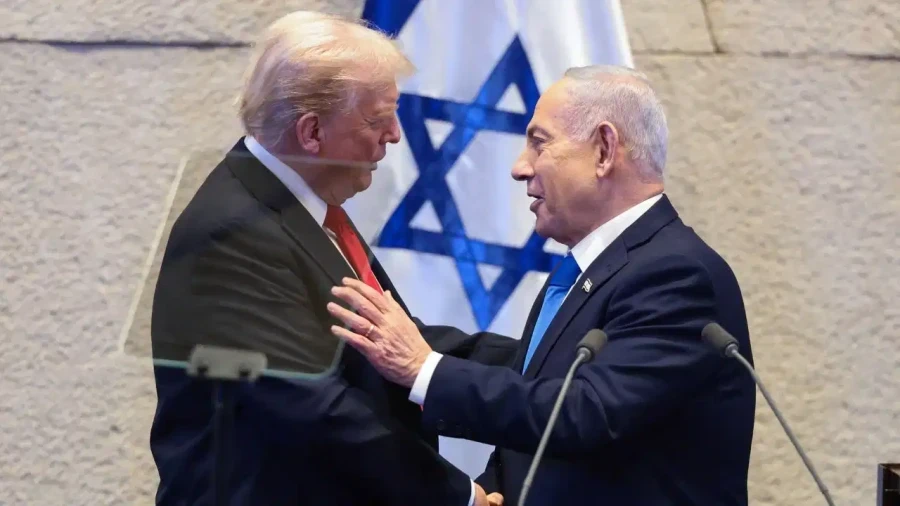
The relationship between the United States and Israel has long been characterized as one of the most solid and strategic alliances in the world. However, a recent intelligence assessment has cast a shadow over this partnership, revealing deep-seated concerns within the American defense establishment. According to a report by NBC News, the Pentagon is increasingly worried that Israel, despite being a close ally, may be actively attempting to gather sensitive internal information regarding the United States' policy on Iran and its broader war strategies in the Middle East. This suspicion has led to a significant shift in how American officials conduct themselves when traveling to the region.
The DIA Intelligence Assessment and Critical Threat Level
S, while department of Defense, has reportedly updated its assessment of the intelligence threat posed by Israel. In a significant move, the DIA has raised the threat level to Critical, the highest possible category for such assessments. This escalation underscores the severity of the concerns held by American intelligence officials. The DIA has even compiled a detailed seven-page document that outlines specific incidents and patterns of behavior that have led to this heightened state of alarm. S. government as it navigates the complex geopolitical landscape involving Iran and the ongoing conflict.
Operational Security: Burner Phones and Clean Laptops
Due to these heightened concerns, American officials and diplomats visiting Israel are now required to follow strict security protocols. S. officials work with burner phones, which are temporary mobile devices, and clean laptops that don't contain sensitive personal or government data. These measures are designed to prevent any potential unauthorized access to confidential information. Plus, officials are advised to exercise extreme caution and avoid having any significant or confidential conversations within their hotel rooms, as these environments are considered potentially compromised. S. official noted that Israel is known for being highly aggressive in its intelligence-gathering efforts, which necessitates these extraordinary precautions even among allies.
Context of the US-Iran Ceasefire Talks
S. administration and Iran regarding a potential ceasefire and diplomatic negotiations, while according to the report, there were periods when Israel felt it wasn't receiving comprehensive information about the progress of these talks. In response, Israeli officials reportedly attempted to gather information through alternative channels, including regional leaders and other diplomats. While American officials acknowledge that intelligence gathering among allies is a common practice globally, the specific nature and intensity of Israel's recent activities have triggered a more formal and serious response from the Pentagon and the DIA.
Official Denials and Historical Precedents
Despite the detailed nature of the report, both the White House and the Israeli government have moved quickly to dismiss the claims. An official from the White House described the report as completely false, while the Israeli Embassy issued a statement asserting that Israel doesn't engage in spying on American institutions or government officials. S, while perspective. S. intelligence analyst who was sentenced to 30 years in prison in the 1980s for providing secret documents to Israel. S. itself has engaged in spying on its own allies, illustrating the complex and often contradictory nature of international intelligence operations.