

- India,
- 19-Feb-2026 09:28 AM IST


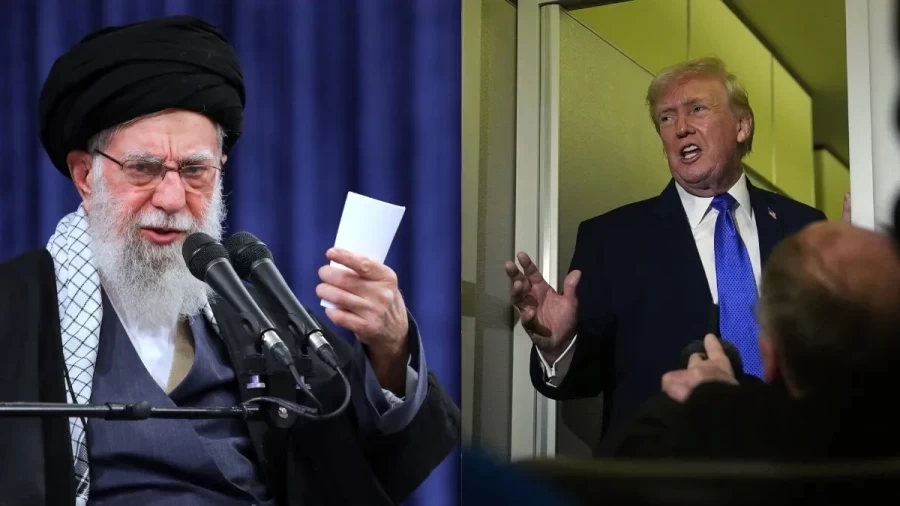
US President Donald Trump has received a detailed briefing from the White House and the Pentagon regarding potential military actions against Iran. According to reports by the Wall Street Journal (WSJ) and Russia Today, the briefing outlined various options aimed at increasing pressure on the Iranian administration, including strikes on nuclear facilities, ballistic missile sites, and the country's top leadership. Officials state that these options are designed to address the deadlock over Iran's nuclear program and its regional activities. The briefing comes amid heightened tensions and a massive buildup of US military assets in the Middle East.
Strategy for Regime Change and Leadership Targets
The military briefing reportedly includes a large-scale plan focused on targeting dozens of Iranian political and military leaders, while this strategy, described as a 'kill list' approach, aims to destabilize the current government and facilitate regime change. Potential targets include high-ranking officials of the Islamic Revolutionary Guard Corps (IRGC) and senior members of the administration, such as Supreme Leader Ayatollah Ali Khamenei, President Masoud Pezeshkian, and Foreign Minister Abbas Araghchi. According to sources, the objective of such a move would be to paralyze the decision-making hierarchy of the Iranian state.
Focus on Nuclear and Ballistic Missile Infrastructure
Another critical component of the US military plan involves targeted airstrikes on Iran's nuclear sites and missile production centers, while these facilities are reportedly at the top of the Pentagon's hit list. Unlike previous limited operations, the current plans suggest a more sustained and large-scale aerial campaign. The goal would be to eliminate Iran's capability to develop nuclear weapons and Notably degrade its ballistic missile arsenal. Advanced precision-guided munitions and stealth technology are expected to be central to any such operation to ensure the destruction of fortified underground facilities.
Unprecedented US Military Deployment in the Region
The United States has orchestrated its largest military buildup in the Middle East since the 2003 Iraq War. Reports indicate the deployment of approximately 150 fighter jets, 12 aircraft carriers, and numerous warships surrounding Iran. This massive naval and aerial 'armada' is intended to provide the President with immediate strike capabilities. While President Trump has emphasized the need for 'decisive' action, officials clarify that no final decision has been made.
Iran's Defensive Measures and Underground Fortifications
In response to the looming threat, Iran has Importantly bolstered its defensive posture. Intelligence reports suggest that Tehran is moving its critical nuclear infrastructure and command centers into deep underground bunkers to protect them from potential US airstrikes. Iran has also put its air defense systems on high alert and prepared its naval fleet and missile units for retaliatory strikes. Iranian officials have issued warnings that any aggression will be met with a forceful response, claiming they've identified and addressed vulnerabilities in their defense network.
Regional Geopolitics and Limitations on Military Action
Despite the advanced military planning, the US faces significant diplomatic challenges from its regional allies. Gulf nations, including Saudi Arabia and the United Arab Emirates (UAE), have reportedly informed Washington that they won't allow their territory or airspace to be used for a direct attack on Iran. These nations are concerned about potential Iranian retaliation that could devastate regional stability and global energy markets. Such limitations may restrict the operational choices available to the Trump administration. Meanwhile, US Vice President JD Vance has described Iran's recent diplomatic proposals as insufficient, maintaining that all options remain on the table.
