
- India,
- 23-Oct-2026 01:21 PM IST



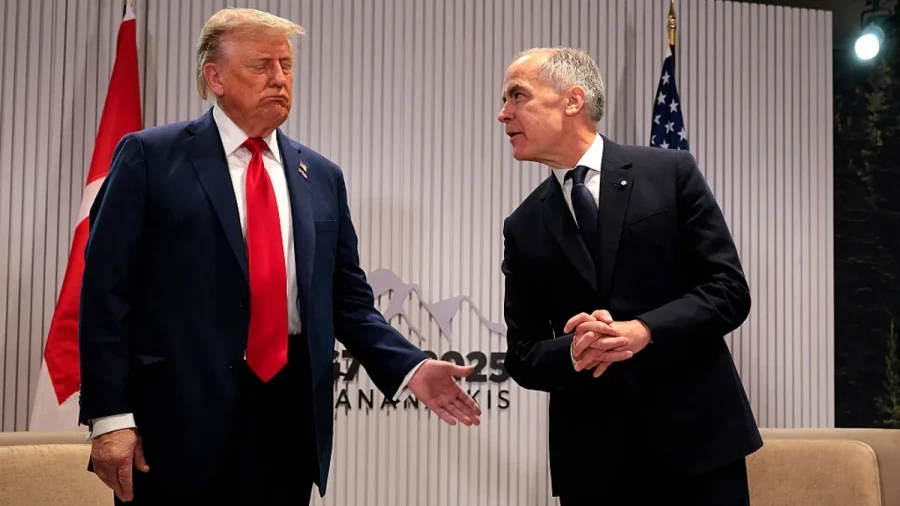
The long-standing tariff dispute between the United States and Canada is now rapidly escalating into a major political confrontation. The Donald Trump administration has directly accused Canada of attempting to influence American politics and upcoming elections. This sensational development came to light on October 22, intensifying international discussions and political fervor regarding the tension in diplomatic relations between the two neighboring nations. The primary catalyst for this dispute is Canada's trade policy and the assertive steps it took in response to American tariffs. The United States argues that through these commercial and strategic measures, Canada is attempting to exert undue political pressure on American leaders, which could potentially disrupt the domestic political process in the US. The US Embassy has issued an official document raising serious questions about various Canadian activities during this sensitive situation. On the other hand, Canada maintains that it isn't interfering in any elections, but rather fiercely protecting its domestic businesses, workers, and broader economic interests. This diplomatic friction also highlights statements made by Canadian Industry Minister Melanie Joly and her recent communications with American counterparts, further stoking the flames of tension.
The Issue of Retaliatory Charges Imposed by Canada
This entire matter has emerged at a highly sensitive juncture, with the crucial US midterm elections scheduled to take place on November 3, 2026. The outcomes of these upcoming midterm elections are expected to Importantly impact the strength, majority, and future policy direction of political parties in both houses of the US Congress. Consequently, any allegation that a foreign nation is exerting political pressure or attempting to sway the electoral process ahead of elections has become a deeply sensitive and significant national issue for the United States. In the backdrop of this dispute, the Donald Trump administration had previously imposed heavy tariffs on various Canadian goods and products. In clear retaliation to these American duties, the Canadian government didn't hesitate to implement strong measures such as retaliatory charges on American products, while political experts and the US administration believe that a key objective of Canada's strategy was to create a stir within American political corridors, forcing US leaders to reconsider their trade stances.
Allegations of Political Pressure and Their Implications
Canada's trade strategy also involved targeting specific products and sectors where the imposition of additional fees could directly and negatively impact American businesses and the vital economic interests of certain states. It's essential to understand that tariffs generally refer to import duties levied on goods arriving from foreign nations. Whenever one country imposes steep duties or taxes on goods from another, the production and purchasing costs of those imported items increase substantially, while this cost escalation directly impacts major corporations, local traders, and everyday consumers. The United States perceives this entire economic strategy as a calculated attempt by Canada to exert political pressure on American politics. The US argues that such trade tactics are being deployed to sway the domestic political environment, while Canada views it entirely as a legitimate method to safeguard its own economy.
Arguments and Defense Presented by Mark Carney
However, applying pressure through commercial decisions to negotiate better terms and illegally influencing a country's internal elections are two entirely distinct matters, while understanding the fine line between the two is crucial for analyzing this ongoing dispute. Canadian Prime Minister Mark Carney and his administration have explicitly argued that the fundamental objective of all national policies is solely to protect the interests of Canadian workers, local businesses, and the national economy. Canada strongly contends that American tariffs could severely harm its domestic industries and hinder growth, making it entirely necessary to take retaliatory steps and impose counter-charges to counter US pressure. This ongoing standoff has raised significant questions regarding the future of trade and political relations between the two nations, drawing close attention from around the globe.