

- India,
- 06-Mar-2026 05:55 PM IST


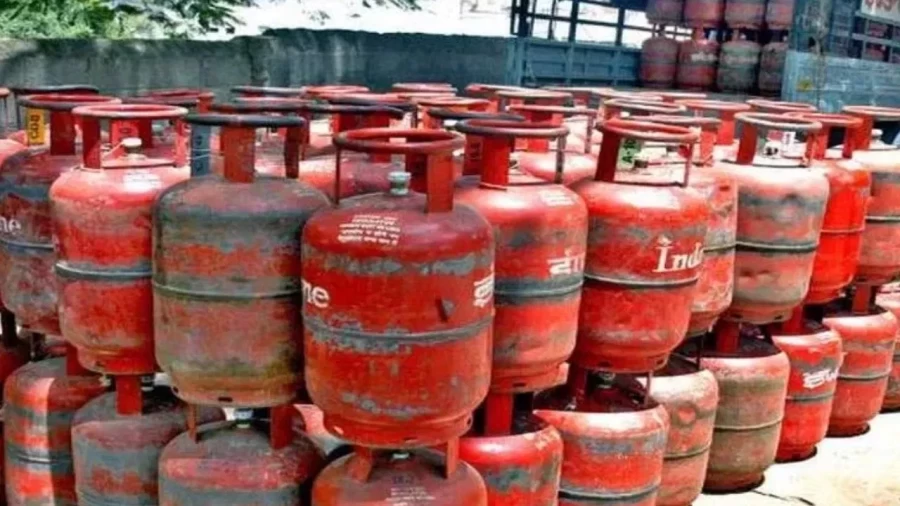
The Government of India has initiated proactive measures to safeguard the nation's energy security in response to the escalating geopolitical friction between the United States and Iran, while the Ministry of Petroleum and Natural Gas has issued a formal directive to all domestic oil refineries to ramp up the production of Liquefied Petroleum Gas (LPG) to its maximum capacity. This strategic intervention is designed to insulate Indian households from potential supply chain disruptions in the global energy market, while according to government officials, the primary objective is to maintain a steady flow of cooking gas despite the volatility in international crude oil prices and regional instability in West Asia.
Prioritizing Domestic Supply and State-Run Entities
Under the latest government mandate, refineries are required to prioritize the domestic market and ensure that their LPG output is sold exclusively to the three state-owned Oil Marketing Companies (OMCs). These entities include Indian Oil Corporation Limited (IOCL), Bharat Petroleum Corporation Limited (BPCL), and Hindustan Petroleum Corporation Limited (HPCL). By centralizing the sale of LPG through these OMCs, the government aims to maintain strict oversight over the distribution network and prevent any potential shortages. The directive emphasizes that the energy needs of domestic consumers must take precedence over all other commercial considerations during this period of global uncertainty.
Strategic Diversification and Russian Oil Imports
India has Importantly transformed its energy procurement strategy over the past two years, reducing its vulnerability to conflicts in the Middle East. 2% of India's total imports in 2022, this figure surged to 20% by February 2024.4 lakh barrels of crude oil per day from Russia. This diversification has provided a crucial buffer, as India is now less dependent on the Strait of Hormuz for its energy requirements. Authorities have reassured that the current reserves of crude oil and petroleum products are at comfortable levels to meet national demand.
Operational Status of Refineries and Petrochemical Restrictions
The Ministry has categorically dismissed reports suggesting the shutdown of the Mangalore Refinery and Petrochemicals Limited (MRPL), labeling such information as inaccurate. Officials confirmed that MRPL and other major refineries across the country are operating at normal capacity with sufficient feedstock, while to further bolster LPG availability, the government has restricted the diversion of propane and butane—essential components for LPG—to the petrochemical industry. Refineries have been instructed to work with these gases solely for the production of domestic cooking gas. This move ensures that the raw materials required for LPG aren't diverted to non-essential industrial processes during the crisis.
Impact of West Asian Conflict on Maritime Trade Routes
The ongoing tension in West Asia has raised significant concerns regarding the security of international maritime trade routes. The Strait of Hormuz remains a critical chokepoint, handling nearly one-third of the world’s total seaborne oil shipments. Any disruption in this region could lead to a spike in global energy prices and logistical hurdles, while in response, the Indian government is closely monitoring the situation and exploring alternative supply routes to mitigate risks. By strengthening domestic production and maintaining a diversified import portfolio, India aims to ensure that its energy infrastructure remains resilient against external geopolitical shocks.
