

- USA,
- 04-Mar-2026 07:01 AM IST


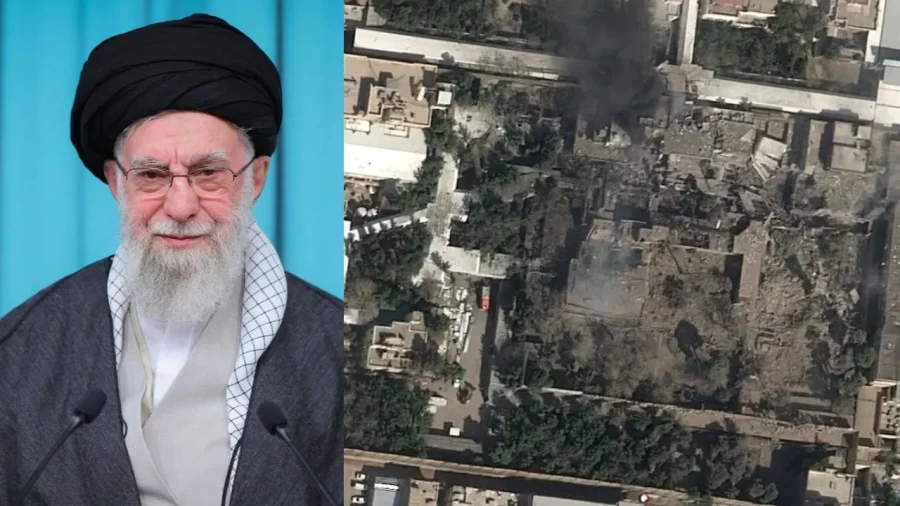
The reported death of Iran's Supreme Leader Ayatollah Ali Khamenei has triggered a wave of instability and violent demonstrations across the Middle East and parts of South Asia. According to reports, the 86-year-old leader died following a strike attributed to US and Israeli forces last week. Khamenei wasn't only the highest political and religious authority in Iran but also a central figure for the global Shia Muslim community. His passing has ignited intense reactions, with protesters taking to the streets from Pakistan to Lebanon, marking a significant escalation in regional tensions.
Widespread Unrest and Casualties in Pakistan
In Pakistan, news of Khamenei's death led to thousands of people gathering in major cities to express their anger. In Karachi, protesters attempted to storm the US Consulate, leading to violent confrontations with security personnel. Similar clashes were reported outside the diplomatic enclave in Islamabad, where the US Embassy is located. According to officials, attacks were also directed at United Nations offices in several northern cities. These skirmishes have resulted in at least 34 deaths and over 120 injuries. Syed Hussain Muqaddasi, head of a prominent Shia political party in Pakistan, stated that the failure to restrain US and Israeli actions could lead to global devastation.
Military Escalation Between Lebanon and Israel
The conflict has rapidly escalated on the military front in Lebanon. The Iran-backed group Hezbollah launched missile strikes toward Israel for the first time in over a year in direct response to the leader's death. In retaliation, Israel conducted extensive airstrikes across Lebanon, resulting in numerous casualties. The Israeli government has mobilized 100,000 reservists and deployed ground forces to southern Lebanon, causing the displacement of thousands of residents. The exchange of fire marks one of the most significant military flare-ups in the region in recent months, raising concerns about a broader territorial conflict.
Protests in Iraq and India
Iraq has also witnessed significant unrest, with protesters clashing with police near the US Embassy in Baghdad. Large crowds gathered in Shia-dominated provinces to mourn Khamenei and protest against foreign intervention. In India, several cities with notable Shia populations saw people marching in the streets to observe a period of mourning. In regions like Jammu and Kashmir and parts of Uttar Pradesh, security was tightened as demonstrators voiced their opposition to the strike. Local authorities have been placed on high alert to prevent any further escalation of violence during these public gatherings.
Geopolitical Implications and Regional Security
The death of Ayatollah Khamenei is expected to have profound psychological and emotional impacts across the Shia world. Burcu Ozcelik, a senior researcher at the UK-based think tank RUSI, noted that the consequences are still in their early stages, particularly in countries with significant Shia populations like Iraq, Bahrain, Lebanon, and Yemen, while for decades, Iran’s foreign policy has been defined by its involvement in these nations, building alliances with armed groups such as the Houthis and Hezbollah. While Tehran frames these interventions as protecting Shia interests, critics argue they undermine national sovereignty. The current situation places Iran's long-standing regional strategies under intense international scrutiny.
