

- India,
- 21-Mar-2026 12:48 PM IST


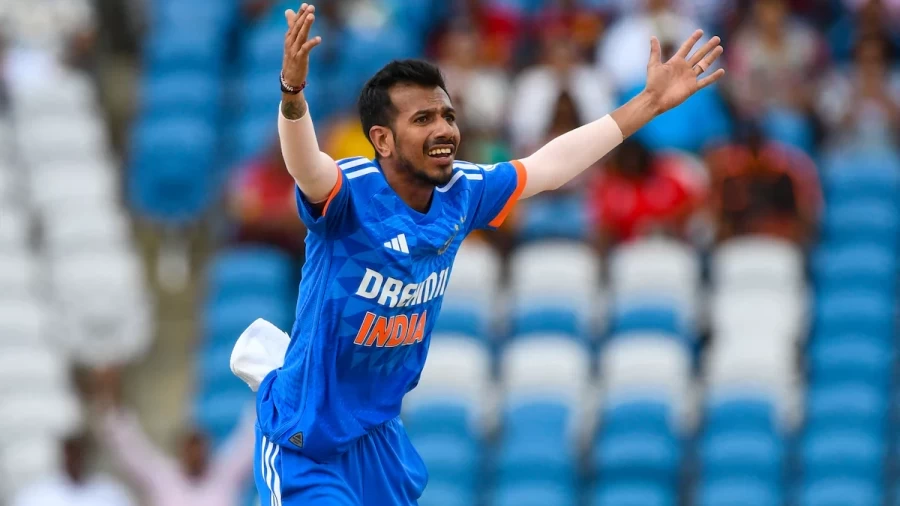
Indian international cricketer and veteran leg-spinner Yuzvendra Chahal has shared a significant lifestyle transformation, revealing his decision to quit alcohol. Speaking on a YouTube show hosted by former teammate AB de Villiers, the 35-year-old athlete disclosed that he has been sober for the past six months. Chahal emphasized that this choice is driven by his desire to maintain peak physical condition and contribute 150 percent to his team's performance. As a senior player in the Indian Premier League (IPL), he expressed a commitment to setting a professional standard for younger cricketers through disciplined health choices.
Focus on Longevity and Physical Recovery
Chahal noted that at the age of 35, maintaining high-intensity performance requires stricter adherence to fitness protocols. He reflected on past injuries that had previously hindered his consistency on the field. According to Chahal, his primary focus for the current IPL season is body maintenance and ensuring he remains injury-free throughout the tournament. He acknowledged that while giving up alcohol was a challenging transition, the resulting improvements in his recovery times and overall stamina have been substantial. Sports science suggests that alcohol abstinence Notably aids muscle repair and reduces inflammation in professional athletes.
The Science of Metabolic Reset
According to Dr, while geetika Chopra, a holistic dietitian and integrative therapeutic nutritionist, quitting alcohol initiates a scientifically documented 'metabolic reset' within the human body. Dr. Chopra explains that the benefits of sobriety extend far beyond liver health, impacting systemic physiological functions and mental well-being. When an individual ceases alcohol consumption, the body begins to recalibrate its metabolic processes, leading to more efficient energy utilization and the elimination of accumulated toxins. This reset is particularly beneficial for athletes who require optimal metabolic efficiency for high-performance output.
Restoration of Sleep Architecture and Energy
One of the most immediate changes observed after quitting alcohol is the restoration of sleep quality. While alcohol is often perceived as a sedative that helps one fall asleep faster, it severely disrupts the REM (Rapid Eye Movement) cycle and deep sleep phases. Dr. Geetika Chopra states that without alcohol, the body can achieve restorative sleep, leading to Notably higher energy levels upon waking. For a professional cricketer like Chahal, improved sleep architecture translates to better reaction times, enhanced focus, and superior cognitive performance during high-pressure matches.
Hepatic Regeneration and Digestive Health
The liver is the primary organ responsible for processing alcohol, and chronic consumption keeps it in a constant state of detoxification stress. According to medical experts, abstaining from alcohol allows the liver to enter a repair phase. This process helps in reducing fatty liver deposits and improving overall hepatic function. Also, alcohol is known to irritate the gastrointestinal lining, often causing acidity, bloating, and malabsorption of essential nutrients. Sobriety leads to a healthier gut environment, ensuring that the body effectively absorbs vitamins and minerals necessary for athletic endurance.
Hormonal Equilibrium and Mental Clarity
Alcohol consumption is linked to elevated levels of cortisol, the body's primary stress hormone, which can disrupt reproductive and growth hormones. Dr. Chopra highlights that quitting alcohol stabilizes hormonal levels, thereby reducing mood fluctuations and enhancing emotional stability. This hormonal balance also manifests in improved skin health and mental clarity. For athletes, the reduction in systemic stress and the improvement in cognitive focus are critical for strategic execution on the field. On top of that, the elimination of 'empty calories' from alcohol aids in weight management and the reduction of visceral fat, contributing to a leaner and more agile physique.
