

- India,
- 31-Jan-2026 06:18 PM IST


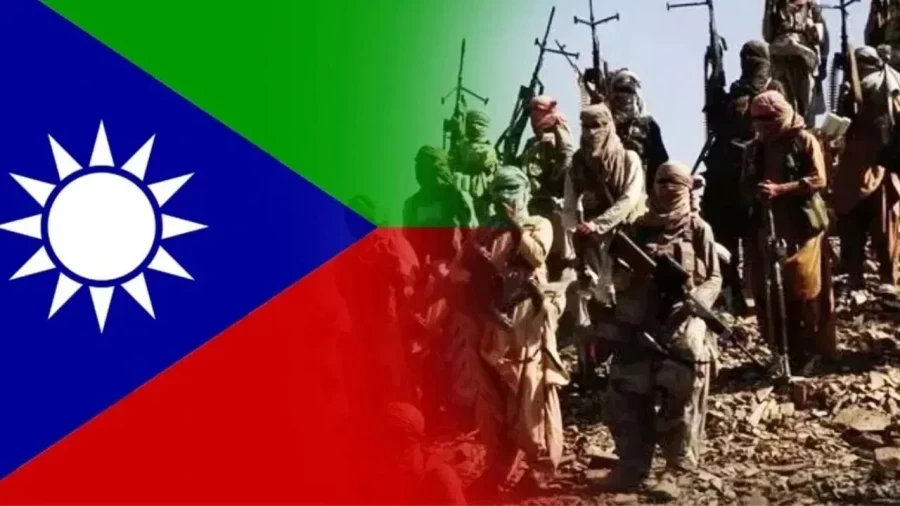
A series of coordinated attacks by the Baloch Liberation Army (BLA) across several districts in Pakistan's Balochistan province on Saturday resulted in the deaths of at least 10 security personnel. The attacks targeted the provincial capital Quetta along with other major cities, prompting a massive security response from the Pakistani military and police forces. According to official statements, security forces retaliated by neutralizing 37 militants during the ensuing gunfights and search operations.
The situation escalated rapidly as the insurgent group launched simultaneous strikes in five key districts: Quetta, Pasni, Mastung, Nushki, and Gwadar. Local authorities reported that the primary targets included police stations, military checkpoints, and administrative buildings. The intensity of the violence led to the immediate deployment of emergency response teams and the cordoning off of sensitive zones to prevent further casualties among the civilian population.
Coordinated Strikes Across Five Districts
The scale of the operation indicated a high level of planning, with attacks occurring almost simultaneously in strategic locations, while in Quetta, the provincial capital, the violence was particularly severe, with at least four police officers confirmed dead in a direct confrontation. Security officials noted that the militants used a combination of small arms, explosives, and suicide tactics to breach security perimeters. In Gwadar and Nushki, the exchanges of fire lasted for several hours as security forces moved to secure government installations.
BLA Claims Responsibility and Operation Herof
The Baloch Liberation Army (BLA), a banned separatist organization, claimed responsibility for the wave of violence, while " The BLA stated that its targets were specifically military personnel and civil administration officials. This announcement follows previous threats from the organization regarding intensified operations against the state infrastructure in Balochistan, citing grievances over political autonomy and resource distribution.
Security Response and Counter-Terrorism Measures
Following the initial strikes, the Pakistani security apparatus launched a large-scale counter-offensive. Military spokespersons claimed that 37 militants were killed in various encounters across the province. High-level security meetings were convened in Quetta to assess the situation and reinforce the protection of critical infrastructure, including the China-Pakistan Economic Corridor (CPEC) projects. While the immediate threat was contained, search and clear operations continued in the mountainous terrains surrounding the targeted districts.
Analysis of Regional Instability
According to regional security analysts, the resurgence of high-intensity attacks by the BLA signifies a shift in the group's operational capabilities. Experts suggest that the coordination across five districts demonstrates an enhanced logistical network, while historically, Balochistan has faced decades of insurgency driven by ethnic Baloch groups demanding a greater share of the province's mineral wealth and protesting against perceived marginalization. Analysts believe that such incidents could impact foreign investment and the progress of developmental projects in the region if the security situation remains volatile.
Ultimately, the recent attacks underscore the persistent security challenges in Balochistan, while while the government has intensified its counter-insurgency efforts, the coordinated nature of the BLA's latest operation indicates a complex security environment. Authorities remain on high alert as they continue to monitor the situation and conduct operations to dismantle militant networks in the province.
