

- India,
- 02-Jan-2026 05:54 PM IST


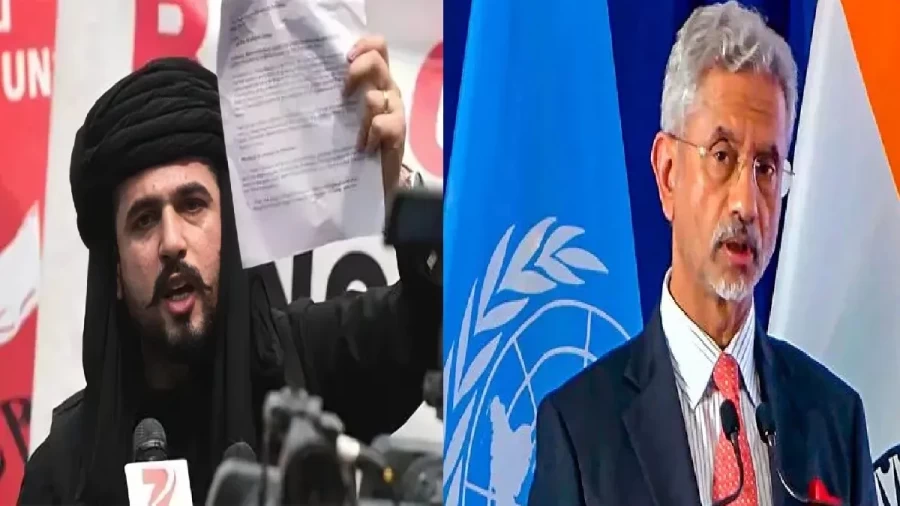
A Clarion Call from Balochistan: Mir Yar Baloch Urges India's Support Against Growing China-Pakistan Threat and Regional Instability In a profoundly significant diplomatic move, Mir Yar Baloch, a prominent Baloch leader and dedicated human rights activist, has issued an urgent and comprehensive open letter addressed to India's External Affairs Minister, Dr. S. Jaishankar. This pivotal communication, shared publicly on the social media platform X to mark the advent of the New Year 2026, serves as a critical and impassioned appeal for India's immediate cooperation and unwavering support, while the core message articulated within the letter expresses profound alarm over the rapidly deepening strategic alliance between Beijing and Islamabad, an alliance that Baloch perceives as an existential and multifaceted threat not only to the aspirations and future of Balochistan but also to the long-term security and stability of India.
This direct and unprecedented address from a Baloch leader to a senior Indian minister underscores the desperate plight of the Baloch nation, highlighting decades of systemic suffering and repression under Pakistani control, coupled with the imminent and escalating danger posed by China's expanding military and economic influence within the strategically vital Balochistan region, while the letter is a testament to the urgency of the situation, calling for a re-evaluation of regional dynamics and a strong, collaborative response.
The Looming Shadow of Chinese Military Deployment and its Regional Implications
A central and perhaps the most alarming claim presented within Mir Yar Baloch's letter is the assertion, backed by what he describes as credible intelligence, that China is actively preparing to deploy its military troops within Pakistan's Balochistan region in the coming months. This potential military presence isn't an isolated development but is directly linked to the advanced stages of the China-Pakistan Economic Corridor (CPEC), a flagship project of China's Belt and Road Initiative, which the Baloch leader states is now in its "final stages. " The letter issues an unequivocal warning that such a deployment, executed without the explicit consent and against the will of the six crore Baloch people, wouldn't only constitute an "unimaginable threat and challenge" to the future of Balochistan's sovereignty but also pose a significant and direct strategic peril for India.
The implications extend beyond regional borders, potentially altering the geopolitical balance in the Indian Ocean region and increasing China's strategic footprint in a critical maritime corridor. This move could grant China direct access to the Arabian Sea, further complicating India's security calculus and raising concerns about regional stability and freedom of navigation. Mir Yar Baloch's letter provides a harrowing account of the protracted suffering and systemic injustices endured by the people of Balochistan, who have faced "decades of repression" under the iron fist of Pakistani control, while he meticulously details the insidious nature of this oppression, explicitly citing "state-sponsored violence and gross human rights atrocities" as a consistent and brutal pattern over the past 69 years.
This includes, but isn't limited to, widespread arbitrary detentions, the enforced disappearance of thousands of Baloch individuals, extrajudicial killings, and the systematic suppression of any form of political dissent or cultural expression. These actions have collectively fostered a pervasive climate of fear, subjugation, and despair among the Baloch populace. The Baloch leader's impassioned plea to "eradicate this cancerous disease from its roots" isn't merely a rhetorical flourish but a profound call for the complete dismantling of the oppressive state apparatus that has denied the Baloch nation its fundamental human rights, cultural identity, and inherent right to self-determination. The demand for an end to this "state occupation" is presented as the foundational prerequisite for establishing lasting peace, genuine autonomy, and true sovereignty for their long-suffering homeland.
Balochistan's Assertive Stance for Global Recognition and Diplomatic Engagement
In a resolute demonstration of their commitment to self-determination, Baloch nationalist leaders had previously made a significant declaration of independence from Pakistan in May 2025. Building upon this foundational step towards establishing an independent Balochistan Republic, Mir Yar Baloch's letter further unveils ambitious plans for the "2026 Balochistan Global Diplomatic Week," an event strategically scheduled for the first week of 2026, while this pioneering initiative is meticulously designed to provide the nascent Balochistan Republic with a crucial and unprecedented platform to engage directly with nations across the globe, bypassing the traditional and often restrictive diplomatic channels controlled by Pakistan.
The overarching objective of this diplomatic week is multifaceted: to foster international recognition for Balochistan's sovereignty, to establish solid diplomatic ties with sympathetic countries, and to garner widespread support for their just cause on the international stage, while this represents a proactive, strategic, and determined effort to assert Balochistan's distinct identity, articulate its aspirations for freedom, and secure its future as a legitimate and independent entity within the global community.
A Shared Heritage: India and Balochistan's Enduring Historical and Spiritual Bonds
The open letter eloquently and passionately highlights the profound and multifaceted connections that have historically bound India and Balochistan, extending far beyond mere geographical proximity. Mir Yar Baloch speaks of "deep historical, cultural, commercial, economic, diplomatic, defense, and multifaceted ties" that have spanned many centuries, forging a shared destiny and a common narrative between the two regions. As a powerful and tangible testament to this enduring relationship, the letter specifically references the revered Hinglaj Mata Temple, affectionately known as Nani Mandir, a sacred pilgrimage site held in high esteem by both communities.
This ancient temple is presented not just as a religious landmark but as a "timeless symbol of our shared heritage and spiritual connections," underscoring a common cultural fabric, a shared spiritual ethos, and a deep-seated kinship that transcends contemporary political boundaries. By invoking these deep-rooted historical and spiritual bonds, the Baloch leader seeks to appeal to India's historical consciousness, its civilizational values, and to strengthen the moral and cultural basis for a solid and empathetic cooperation between the two peoples.
Appreciation for India's Decisive Actions: The Impact of Operation Sindoor
Mir Yar Baloch expresses profound and unequivocal appreciation for the "bold and resolute steps" undertaken by the Modi government through what he refers to as "Operation Sindoor" last year, while this operation, as detailed in the letter, involved targeted actions against "Pakistan-backed terror bases" and decisive military responses against the "Pakistani army" itself, specifically in the aftermath of the "Pahalgam terror attack. "
The Baloch leader views these measures not merely as retaliatory actions but as a. Clear and powerful demonstration of "exemplary courage and an unwavering commitment to regional security and justice. " This commendation from Balochistan carries significant weight, signaling a shared understanding of the grave threat posed by state-sponsored terrorism emanating from Pakistan.
It effectively aligns India's proactive counter-terrorism efforts with Balochistan's own protracted struggle against Pakistani oppression and its desire for a secure and stable environment, while this convergence of interests suggests a fertile ground for cooperation where India's strategic imperatives in combating terrorism resonate deeply with Balochistan's aspirations for freedom, security, and an end to external aggression.
The Imperative for Concrete, Reciprocal Cooperation in a Volatile Region
The letter forcefully and unequivocally argues for the absolute necessity of "concrete, reciprocal cooperation" between India and Balochistan, asserting with conviction that "it's the demand of the time. " Mir Yar Baloch underscores the extreme urgency of this collaboration by. Stating emphatically that "the threats facing India and Balochistan are real and imminent. " Consequently, he posits that the bilateral relationship between the two entities must be "equally concrete and actionable" to effectively and decisively counter these shared and escalating dangers.
The areas identified for potential cooperation are broad, critical, and encompass a comprehensive spectrum of mutual interests: "peace, prosperity, development, trade, defense, security, future energy challenges, and mitigating hidden threats. " This expansive vision for partnership highlights a clear recognition that a united and coordinated front isn't merely advantageous but absolutely essential for navigating the increasingly complex and volatile geopolitical landscape of the region, and for securing a stable, prosperous, and sovereign future for both nations.
The Strategic Peril of the Deepening Pakistan-China Alliance
The Balochistan Republic, through the authoritative voice of Mir Yar Baloch's letter, unequivocally labels the "growing strategic alliance between Pakistan and China" as "extremely dangerous. " This alliance, particularly its tangible manifestation through the China-Pakistan Economic Corridor (CPEC), is perceived not only as an economic venture but as a direct and profound threat to Balochistan's inherent sovereignty and a strategic encirclement for India. The letter reiterates the dire warning that if the capabilities of Balochistan's indigenous defense and freedom forces aren't adequately strengthened, and if their long-standing pleas for international support continue to be ignored, the deployment of Chinese military forces on Balochistani soil within a matter of months remains a distinct, alarming, and highly probable possibility.
Such a scenario, executed entirely devoid of the consent and against the expressed will of the Baloch people, wouldn't only solidify foreign control over Balochistan's vast resources and strategic coastline but also present an "unimaginable threat and challenge" to India's core security interests, potentially altering the regional power balance irrevocably and establishing a permanent hostile presence at India's western flank.
A Call for a Stronger Alliance Against Shared Adversaries and for Regional Stability
To sum it all up, Mir Yar Baloch's open letter to Dr, while s. Jaishankar stands as a powerful, poignant, and strategically significant appeal for the forging of a strong and enduring alliance between India and Balochistan. It articulates with compelling clarity a shared vision of escalating threats, particularly stemming from the rapidly deepening China-Pakistan strategic partnership and the ominous specter of an imminent Chinese military presence in Balochistan. The letter meticulously emphasizes the deep-seated historical and spiritual bonds that connect the two regions, the common struggle against state-sponsored terrorism and regional destabilization, and the profound mutual benefits that would accrue from a strong, actionable, and reciprocal partnership.
The urgent call for "strong cooperation" is presented not merely as a request for humanitarian aid or political sympathy but as an explicit invitation to forge a strategic alliance rooted in shared values, a common understanding of adversaries, and a collective aspiration for regional peace, national sovereignty, and sustained prosperity. The palpable urgency conveyed throughout the letter serves as a stark and timely reminder of the rapidly evolving geopolitical landscape and the critical, far-reaching choices that lie ahead for both India and the aspiring Balochistan Republic in securing their respective futures.
Open letter to Honorable Foreign Minister of #Bharat Shri @DrSJaishankar ji
— Mir Yar Baloch (@miryar_baloch) January 1, 2026
From,
Baloch Representative,
Republic of Balochistan
State.
The Honorable Dr. S. Jaishankar,
Minister of External Affairs,
Government of Bharat,
South Block, Raisina Hill,
New Delhi – 110011
January… https://t.co/WdjaACsG2V pic.twitter.com/IOEusbUsOB
