
- India,
- 06-Aug-2026 08:09 AM IST



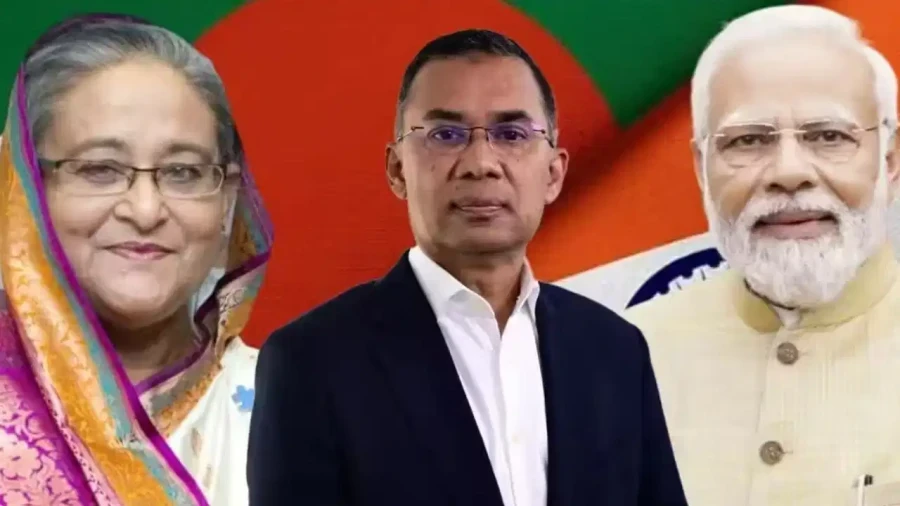
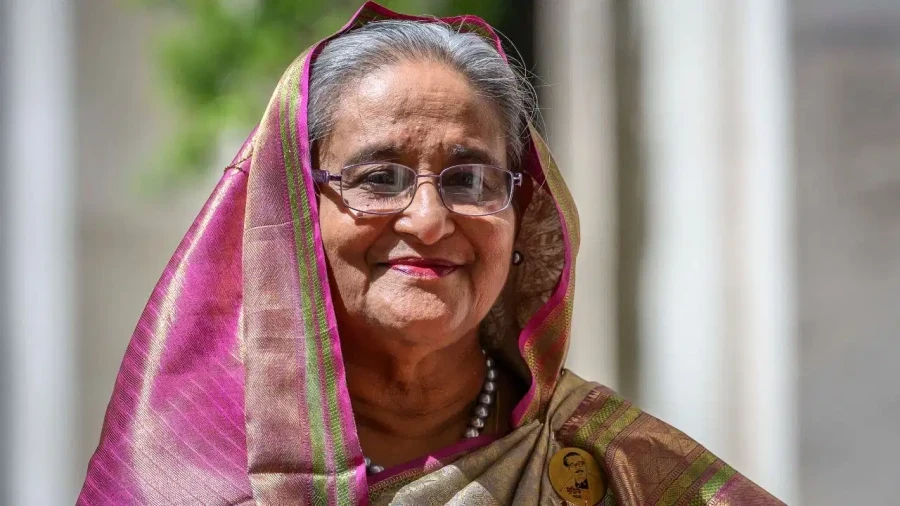
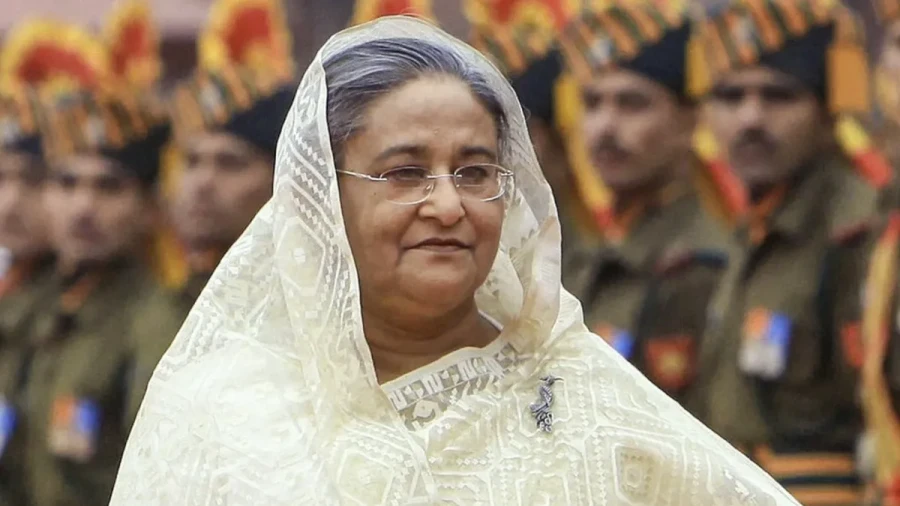
The diplomatic atmosphere between India and Bangladesh has witnessed a surge in tension following a virtual press conference conducted by the former Prime Minister of Bangladesh, Sheikh Hasina. The interim administration in Dhaka has reacted with significant anger to the media interaction, which took place in New Delhi. Sheikh Hasina, who has been residing in India since her departure from Dhaka on August 5, 2024, used the platform to address various issues, prompting a sharp response from the Bangladeshi Ministry of Foreign Affairs. The ministry expressed its displeasure through a formal statement, suggesting that such activities could undermine the progress made in stabilizing the bilateral ties between the two nations.
Bangladesh's Official Reaction and Concerns
The Ministry of Foreign Affairs of Bangladesh took to the social media platform X to express its formal resentment regarding the event. In a strongly worded post, the ministry stated that Bangladesh is deeply offended that Sheikh Hasina, whom they described as a fugitive and guilty of genocide, was permitted to engage in a live media interaction from New Delhi. The ministry further alleged that during this session, Hasina and her associates disseminated poisonous remarks against Bangladesh and its citizens. The statement highlighted Dhaka's regret over the fact that the Indian government had been previously informed about the potential negative consequences such an event could have on the ongoing efforts to restore and improve bilateral relations between the two neighboring nations. Despite these warnings, the public event was allowed to proceed, which Bangladesh views as a setback to diplomatic cooperation.
India's Stance on the Media Event
In response to the concerns raised by Dhaka, India has clarified its position regarding the media interaction. The Indian government stated that the program was organized by a private media channel and wasn't a government-sponsored event. India emphasized that it had no direct contribution to the organization or the execution of the virtual press conference. This clarification aims to distance the official Indian administration from the remarks made by the former Prime Minister during the broadcast. However, the Bangladeshi side remains firm in its stance that allowing such a platform on Indian soil is problematic for the mutual respect required in international relations.
Sheikh Hasina's Statements and Future Plans
During her virtual address, Sheikh Hasina made several significant declarations regarding her future and her perspective on the current situation in Bangladesh. Having arrived in India on August 5, 2024, she has remained in the country for several months. In her address, she made it clear that she intends to return to Bangladesh in the near future. She stated emphatically that she doesn't fear the prospect of facing the death penalty or being sent to prison. "I know, they can put me in jail or take my life. I will go back home to be with my people," she said during the conference. The leader of the Awami League also took the opportunity to praise India for its historical and continued support of Bangladesh. She described India as a close and steadfast friend that has always stood by her country during challenging times.
Vision for Return and Sovereignty Issues
Sheikh Hasina elaborated that her desire to return to her homeland isn't driven by a quest for political power, while instead, she claimed her goal is to bring Bangladesh back to the path of development, secularism, and prosperity. She touched upon the political climate in her country and the challenges currently faced by the people. On the other hand, the Bangladeshi Ministry of Foreign Affairs characterized her interaction on Indian soil as an insult to Bangladesh's sovereignty. The ministry reiterated that Dhaka seeks to maintain a relationship with India that's constructive, mutually beneficial, and forward-looking. They emphasized that such a relationship must be built on the foundations of sovereign equality, mutual respect, non-interference in each other's internal affairs, and national dignity, while the tension highlights the complex diplomatic balancing act currently required between New Delhi and the interim government in Dhaka.