

- India,
- 04-Jan-2026 10:30 AM IST


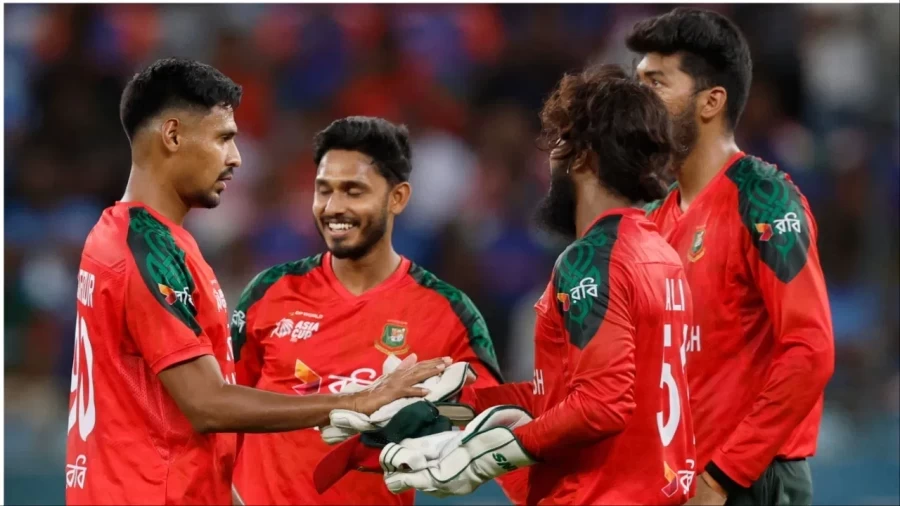
The Bangladesh Cricket Board (BCB) is reportedly pushing for a significant alteration in the schedule of its matches for the T20 World Cup 2026, a move that could reshape the dynamics of the upcoming global tournament, while according to emerging reports, the BCB has communicated its strong desire to the International Cricket Council (ICC) via email, requesting that its scheduled matches be relocated from India to Sri Lanka. This development comes amidst growing tensions and a series of. Events that have strained the cricketing relationship between India and Bangladesh.
Reasons Behind the Venue Change Demand
The BCB's demand for a venue change is rooted in several key incidents that have recently unfolded. A primary catalyst for this decision is the reported exclusion of veteran fast bowler Mustafizur Rahman from the Indian Premier League (IPL). This incident has been perceived by the BCB as a significant slight, prompting a strong reaction. Plus, the Board of Control for Cricket in India's (BCCI) decision to halt Bangladesh's. White-ball tour, which was slated for August this year, has added to the BCB's grievances. These combined factors have led the Bangladesh Cricket Board to convene an emergency. Meeting and adopt a firm stance on the matter, seeking redress through the ICC.
The Mustafizur Rahman Controversy
The reported exclusion of Mustafizur Rahman, a prominent figure in Bangladesh. Cricket, from the IPL has resonated deeply within the Bangladeshi cricketing fraternity. The BCB views such actions as potentially detrimental to player morale and the broader interests of the nation's cricket. This isn't merely seen as an isolated incident concerning a single player but rather as a broader issue that could impact the cricketing ties between the two nations. The BCB interprets this event as a signal that it must. Proactively safeguard the interests of its players and its cricketing future. This perceived slight has been a major driving force behind the BCB's decision to. Approach the ICC and request a change in the T20 World Cup 2026 match venues.
In addition to the Mustafizur Rahman situation, the BCCI's decision to put a halt on Bangladesh's white-ball tour scheduled for August this year has further exacerbated the tensions, while such bilateral tours are crucial for fostering cricketing relations, providing international exposure to players, and generating revenue for the participating boards. The cancellation of the tour could lead to financial implications for the BCB and potentially hinder the development and international performance of its players. Considering both these developments, the Bangladesh Cricket Board held an emergency meeting on January 3rd to strategize its response to the actions taken by the BCCI, culminating in the decision to seek a venue change for the World Cup matches.
Following Pakistan's Precedent
The BCB's current stance mirrors a similar strategy adopted by the Pakistan Cricket Board (PCB) in the past. Due to long-standing political tensions between India and Pakistan, the PCB opted to. Play its T20 World Cup 2026 matches in Sri Lanka rather than India. Now, Bangladesh appears to be treading a similar path, which could indicate a widening rift in the cricketing relationship between India and Bangladesh. This situation highlights how political and non-cricketing factors can Importantly influence sporting events and bilateral relations. The BCB's move presents a challenge for the ICC in navigating such disputes among its member nations.
Bangladesh's Scheduled Matches in T20 World Cup 2026
The T20 World Cup 2026 is scheduled to take place between February 7th and March 8th, while as per the current schedule, Bangladesh is slated to play four matches in India. Three of these matches are designated for the iconic Eden Gardens in Kolkata, while one fixture is set for the Wankhede Stadium in Mumbai. Bangladesh's first match is against West Indies on February 7th, followed by. A game against Italy on February 9th, and then England on February 14th. All three of these matches are scheduled at Eden Gardens. The fourth group match is against Nepal at Wankhede on February 17th, while with the BCB's demand, the fate of these scheduled venues now hangs in the balance.
ICC's Role and Future Implications
All eyes are now on the International Cricket Council (ICC) to see how it will respond to the Bangladesh Cricket Board's demand. The ICC will need to strike a delicate balance, considering the interests of its member nations while ensuring the smooth and fair conduct of the tournament. Given the escalating tensions between India and Bangladesh, this presents a sensitive situation for the ICC. It remains to be seen whether the ICC will accede to Bangladesh's request and alter the venues, or if it will decide to uphold the existing schedule. The outcome of this decision could have far-reaching implications for the cricketing relations between the two countries and for the planning of future international tournaments.
