
- India,
- 31-Jul-2026 08:52 AM IST



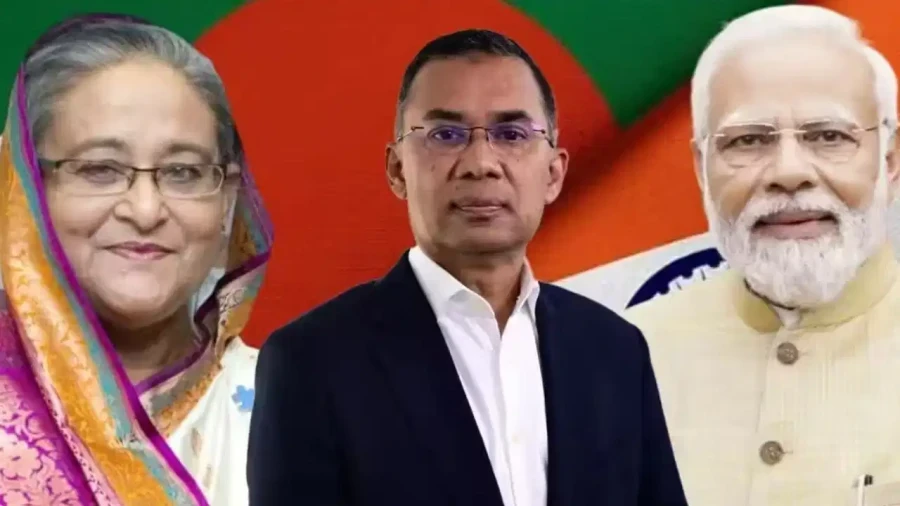
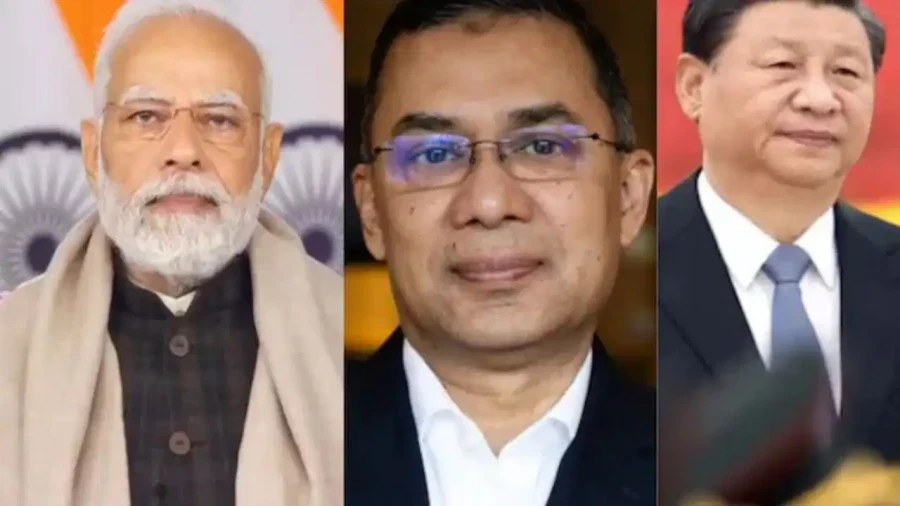
Bangladesh has officially articulated its diplomatic stance regarding its complex relationships with global and regional powers, specifically India and China, during a significant visit by a high-level United States delegation. Foreign Affairs Advisor Dr. Khalilur Rahman clarified that the nation's strengthening ties with any single country shouldn't be perceived as a detriment to its relations with others. He emphasized that Bangladesh follows a foreign policy rooted deeply in national interest rather than participating in a zero-sum game where one nation's gain is automatically viewed as another's loss.
The Zero-Sum Game and Diplomatic Balance
During a detailed media interaction, Dr. Khalilur Rahman stated that the strengthening of relations with one country doesn't imply the weakening of ties with another. He categorically rejected the idea that international diplomacy is a competitive arena where choosing one partner necessitates abandoning another. He further elaborated that Bangladesh prioritizes its national interests above all else in its foreign policy framework. The advisor made it clear that the government would never compromise its relationship with one nation to bolster its standing with another, ensuring that national interests remain secure in every bilateral engagement.
The Wife and Co-Wife Analogy
In a notable and direct comparison, Dr. Khalilur Rahman addressed the perceived friction between India and China regarding their influence in Bangladesh. He remarked that this isn't a fight between a wife and a co-wife. By using this analogy, he aimed to simplify the concept that Bangladesh's engagements aren't emotional or domestic rivalries but are strategic and interest-based. He stated that the country's relationships are based on where its interests lie, and the government will pursue paths that benefit the nation without being drawn into the competitive narratives of external powers.
US Special Envoy Sergio Gor's Visit
These statements come at a critical juncture as Sergio Gor, the United States Special Envoy for South and Central Asia, has arrived in Bangladesh for a 3 day visit. His arrival coincides with a period where China is Notably accelerating its economic and strategic investments within the country. The visit of the American delegation is seen as a move to understand Bangladesh's strategic priorities more closely, especially following the recent visit of Prime Minister Tarique Rahman to Beijing. US Ambassador Brent T. Christensen noted that Special Envoy Sergio Gor's visit is intended to further strengthen the strategic relationship between the United States and Bangladesh.
China's Industrial Footprint in Chittagong
The geopolitical context is further highlighted by the commencement of construction on China's first national-level economic and industrial zone in Chittagong. This massive project is being developed by the China Road and Bridge Corporation (CRBC), a state-owned Chinese entity that serves as one of the primary agencies for the Belt and Road Initiative (BRI). Foreign policy experts suggest that the increasing Chinese investment has prompted the United States to maintain an active presence and dialogue with the Bangladeshi leadership to ensure their strategic interests are also represented.
Diplomatic Engagements Under the BNP Government
Since the Bangladesh Nationalist Party (BNP) led government assumed power in February, there has been a noticeable increase in high-level diplomatic exchanges. Sergio Gor is the 3rd senior American official to visit Bangladesh since the new administration took office. His visit follows the March 2026 visit of Paul Kapoor, the Assistant Secretary of State for South and Central Asian Affairs, and the May visit of Brendan Lynch from the Office of the United States Trade Representative. Dr, while khalilur Rahman also touched upon the success of the Prime Minister's recent trip to China, adding that if the Prime Minister visits India in the future, that visit would be equally successful, reinforcing the message of a balanced and non-aligned foreign policy.