
- India,
- 09-Nov-2026 03:41 PM IST



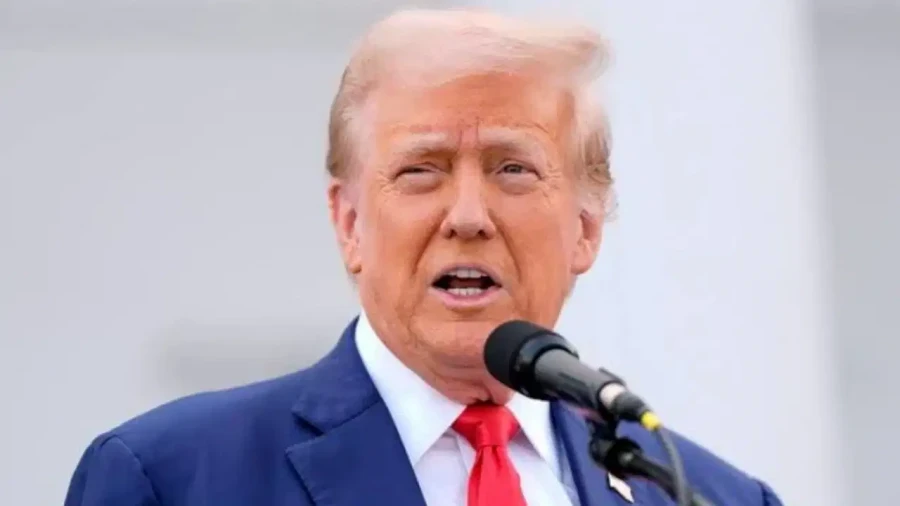
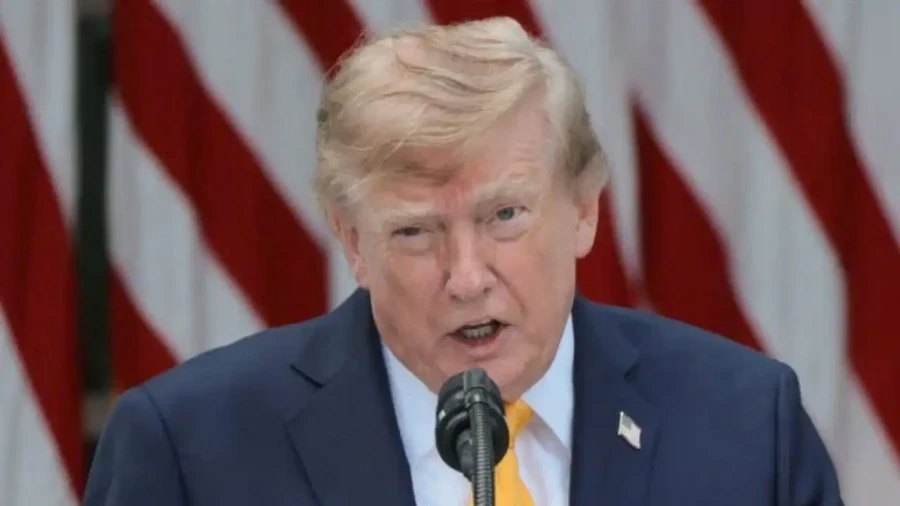
American political circles experienced a massive earthquake when United States President Donald Trump analyzed the poor midterm performance of the Republican Party and made a deeply shocking and sensational statement. The midterm elections in America concluded last week, during which the performance of President Donald Trump's Republican Party was exceptionally dismal. Deeply reviewing the reasons behind this poor electoral showing, Trump directly dragged Israel into the discussion. Trump explicitly stated that one of the biggest and primary reasons for the Republican Party's poor performance is that American people don't actually like Israel, despite his own administration maintaining very close and deep ties with the Israeli government. Trump shared all these remarks during a prominent sixty-minute interview, where he extensively discussed all the critical reasons that resulted in the Democratic Party successfully capturing both houses of the United States Congress, namely the House of Representatives and the Senate.
Other Contributing Factors To Midterm Election Defeat
During this extensive interview, US President Donald Trump didn't point to Israel as the sole reason for this defeat, but also openly mentioned several other domestic and political issues. Expanding on his point, Trump stated that first of all, he himself wasn't directly running in the election race, while he also acknowledged the reality that voters simply didn't like certain Republican candidates, and this category included candidates whom he had personally endorsed. Beyond this, there were several other factors that influenced the minds of voters. Trump explained that the general public didn't like the ongoing war, and the overall environment created by conflicts made people deeply resentful. Along with this, citizens were thoroughly displeased by the soaring gasoline prices, which severely impacted daily life and directly pinched the pockets of voters through rising inflation.
'Dislike Regarding Israel Is Much Higher Among People'
Clarifying his viewpoint further without going into excessive elaboration, Trump highlighted that there is another massive wave of disapproval existing among the general public, and surprisingly, this deep disapproval is directly centered around Israel. It's noteworthy that just last week, Vice President JD Vance had suggested that if the Republican Party wants to win future elections, it must fundamentally alter its relationship dynamics with Israel. When Trump was asked during this interview whether he plans to make further reshuffles within his cabinet, especially after bringing in his deputy Stephen Miller to replace Chief of Staff Susie Wiles, he responded by stating that he's indeed planning to remove a few more individuals from their respective official posts.
Comments On Ministerial Performance And Administrative Changes
Speaking openly about the performance of his administrative team and cabinet, Trump stated that he believes they're all doing a very good job. However, despite that, he might still make a few more administrative-level changes. Addressing the prospects of cabinet reshuffles, he hinted that he feels Secretary of State Marco Rubio will firmly remain in his position, despite swirling speculations and rumors regarding his potential resignation in political circles, while praising Marco Rubio, Trump said that he's doing a phenomenal and exceptional job in his department, ensuring there should be no uncertainty regarding his future. This resolute stance by Trump regarding administrative tightening demonstrates that he's in no mood to show any laxity in implementing his policies on the ground, even if it requires making changes among his closest aides and ministers.
Netanyahu And Eisenkot Portrayed As Similar Leaders
During the course of this interview, US President Donald Trump also openly shared his views on the political situation in Israel and its top leadership. Trump firmly believes that whether Benjamin Netanyahu holds the position of Prime Minister in Israel or if Gadi Eisenkot assumes office, it will make virtually no difference to Israeli policies and American relations. He believes that the ideological thinking and governing policies of both leaders are remarkably similar, and most importantly, both leaders hold deep respect for US President Trump. This is precisely why, regardless of who forms the government in Israel, bilateral ties with the United States will remain strong and sound as always, while it's worth noting that just last month, right before the elections to the Knesset, which is the Israeli parliament, when the US President publicly endorsed Benjamin Netanyahu, Israeli leader Eisenkot also carefully avoided any confrontation and strictly refrained from publicly criticizing Trump. This serves as a testament to the extent to which American influence is deeply and decisively established in Israeli politics, a fact that Trump candidly placed before the world during this review.