
- India,
- 19-Sep-2026 08:08 AM IST



The Board of Control for Cricket in India (BCCI) has long been a subject of intense scrutiny regarding its financial operations and its relationship with the national exchequer. In a significant move to provide clarity, BCCI Secretary Devjit Saikia has come forward with a major revelation concerning the board's income tax contributions. On September 18, Saikia disclosed that the BCCI pays an average of approximately 3000 crore rupees annually in income tax to the central government. This disclosure is pivotal as it directly addresses and dismantles the long-standing myth that the cricketing body operates under a blanket of tax exemptions.
Busting the Myth of Tax Exemptions
For a considerable period, public discourse has often suggested that the BCCI enjoys special status that allows it to bypass standard taxation protocols. However, the statement from Secretary Devjit Saikia has put these rumors to rest. By revealing the figure of 3000 crore rupees, Saikia has demonstrated that the board isn't only compliant with tax laws but is also one of the most significant corporate taxpayers in India. The board doesn't seek or receive any special financial packages or funds from the government, which further solidifies its position as a self-sustaining entity that contributes heavily to the nation's economy.
Financial Independence and Comparison with Other Federations
One of the most striking aspects of Saikia's revelation is the comparison between the BCCI and other national sports federations. While most sports bodies in India rely heavily on government grants and financial assistance for their daily activities, infrastructure development, and athlete training programs, the BCCI stands apart. The board generates its own revenue through various streams and doesn't depend on any government funding. This financial autonomy is a key factor in the board's argument for maintaining its current governance structure. The fact that it pays 3000 crore rupees in taxes while receiving zero government aid highlights its unique position in the Indian sports landscape.
The National Sports Governance Act and Legal Standpoint
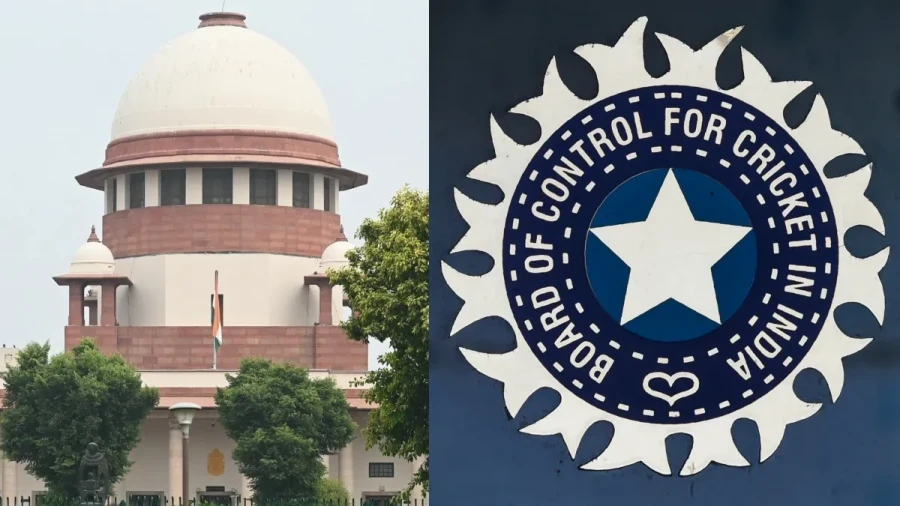
The discussion regarding the BCCI's tax contributions is also linked to the ongoing legal debates surrounding the National Sports Governance Act. Recently, the Supreme Court of India sought a response from the board regarding its inclusion under this act. The BCCI's financial independence and its role as a major taxpayer serve as strong arguments in its favor. Devjit Saikia clarified the board's stance, stating that they aren't attempting to evade any laws or regulations, while instead, they're following the established legal procedures. Saikia noted that the Sports Act involves several formalities that need to be completed by the relevant authorities. He emphasized that until a formal notification is issued to designate cricket as a 'named sport' under this act, the current framework remains in place.
Future Legal Proceedings and Supreme Court Hearing
The legal journey regarding the governance of cricket in India is set to continue. Devjit Saikia mentioned that the board is prepared to present its detailed and formal explanation before the Supreme Court. The matter is scheduled to be listed again on October 27. During this hearing, the BCCI will provide its comprehensive response to the court's inquiries. Saikia's statement, "Our stand on the Sports Act is very clear. There are still many processes to be completed by the concerned authorities in this regard, while only when those formalities are over and a formal notification is issued to make cricket a 'designated sport' under this Act, will it become effective," underscores the board's commitment to following the rule of law. He further added that as soon as the official notification is released, the BCCI will immediately begin operating under the rules of the new sports law. Until then, the board continues its operations as a self-reliant and major tax-paying entity.