
- India,
- 13-Aug-2026 07:11 PM IST



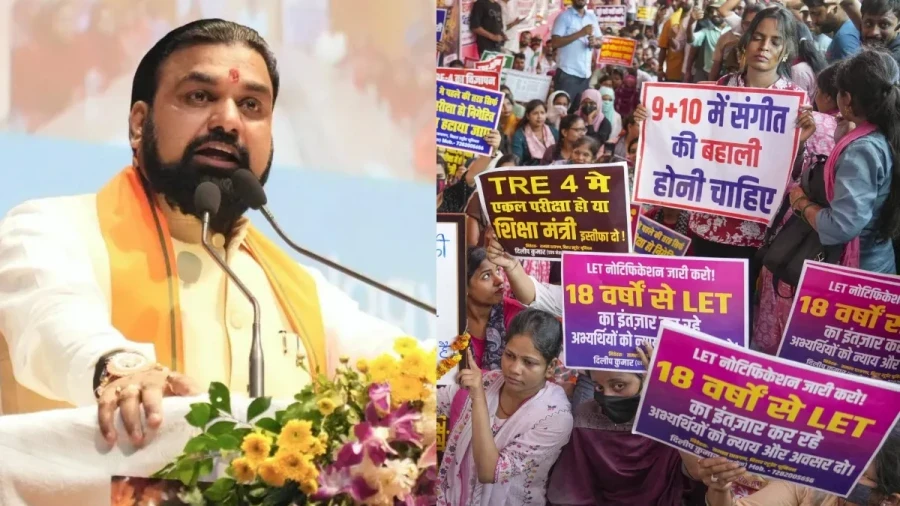
The political atmosphere in Bihar is witnessing a significant transformation as the focus shifts decisively toward youth employment and empowerment. Following the resonance of student movements at Delhi's Jantar Mantar and in Ranchi, every political entity in Bihar is now prioritizing the rights and needs of the younger generation. This demographic, often referred to as Gen-Z, has emerged as a powerful voice for change, transcending traditional caste-based equations involving various social groups, while the current scenario suggests that political parties view the youth as a crucial shield and a decisive factor for their future survival and success in the state's complex political arena.
Prashant Kishor's Strategic Job Initiative
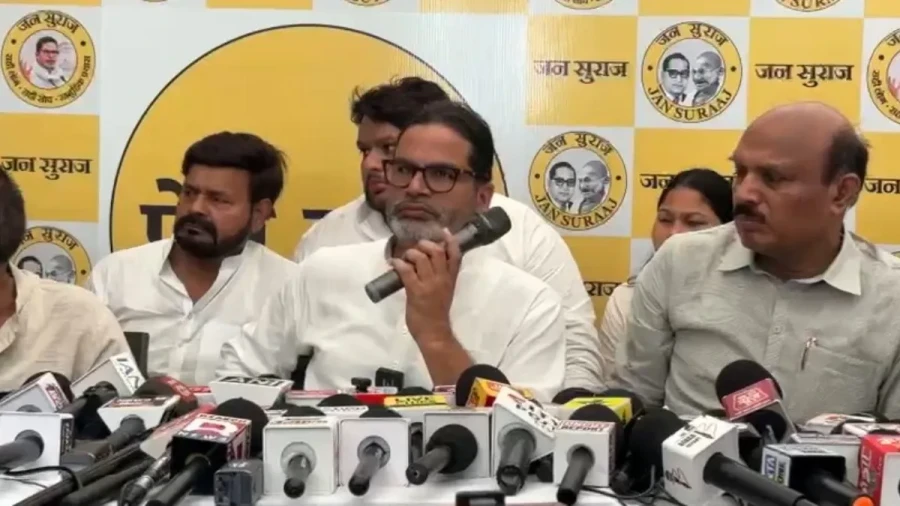
Prashant Kishor, the founder of Jan Suraaj, has stirred the political waters in Bihar with a bold announcement regarding private sector employment. Following the victory in the Bankipur assembly seat by-election, Kishor declared his intention to facilitate employment for 10,000 youth from the region. He has actively sought biodatas from aspiring candidates to initiate this process. Kishor clarified that these aren't government jobs but opportunities he aims to provide through his extensive network and contacts across the country. This move has triggered a heated political debate, with the BJP accusing him of misleading the public, while the RJD has responded with a more measured but skeptical tone, highlighting the competitive nature of youth-centric politics in the state.
Government's Proactive Training and Skill Development
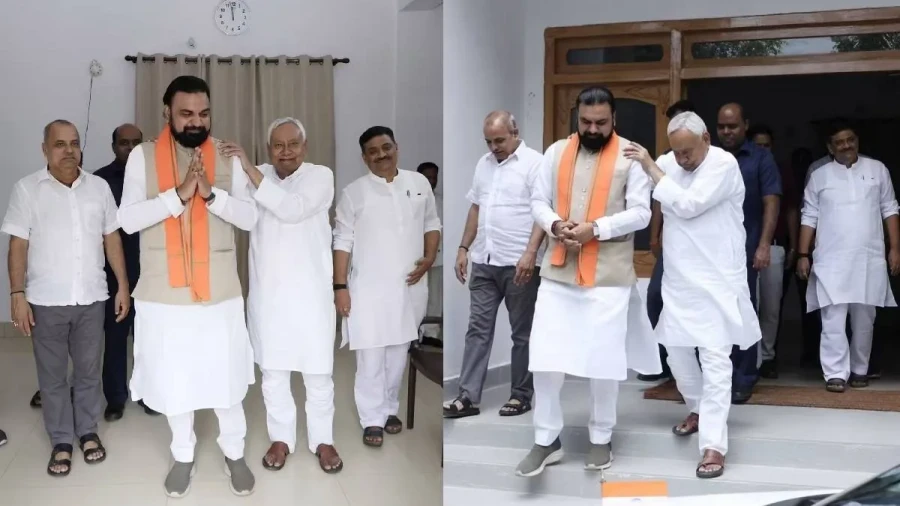
In response to the growing demand for employment and skill development, the government led by Samrat Choudhary has also intensified its efforts. During a recent cabinet meeting, several key decisions were made to bolster youth employment through structured training programs. The government has decided to extend the Kushal Yuva Program under the Saat Nishchay-3 initiative from the fiscal year 2026-27 to 2030-31.08 crore rupees has been approved. The program aims to provide specialized training in cutting-edge fields such as Artificial Intelligence, Solar energy, Drone technology, Networking, Banking, Digital Marketing, Tally, and Foreign Languages. 57 lakh youth every year, aiming to make the state's workforce more competitive in the modern job market.
Tejashwi Yadav's Protest and National Agenda
Amidst these developments, RJD leader Tejashwi Yadav has also become highly vocal about youth-related issues and student rights. He has announced a Raj Bhavan march scheduled for August 19 to protest against the police action taken during recent student movements in Bihar. Tejashwi's agenda extends beyond the state's borders, as the party has already held meetings in Delhi to elevate this issue to a national level. He has raised serious questions regarding the use of force against students, claiming that the entire country witnessed the harsh measures employed by the authorities, including allegations of extreme force. Tejashwi emphasizes that while protests have occurred in the past, the current level of action against the youth is unprecedented and requires a strong political response.
Employment as the Central Political Factor
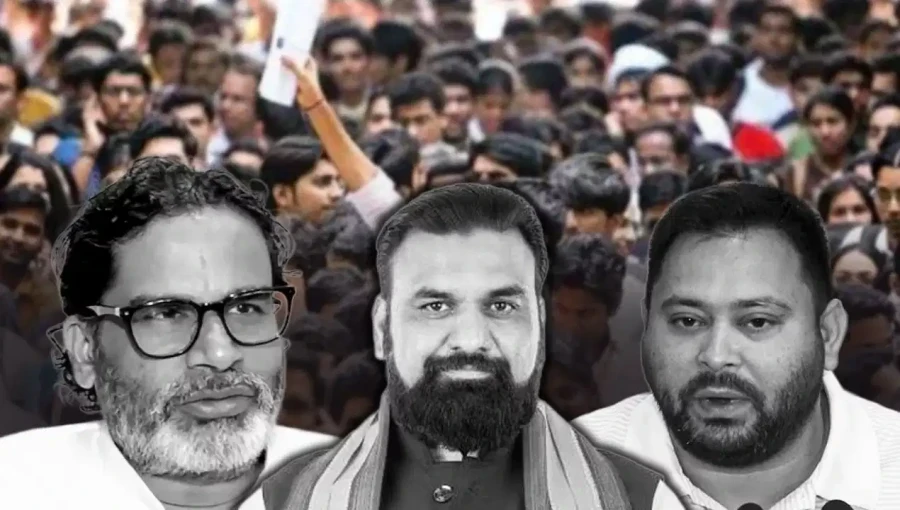
The collective actions of Prashant Kishor, Samrat Choudhary, and Tejashwi Yadav indicate that employment has become the most significant factor in Bihar's politics. Kishor's offer of 10,000 jobs has forced other political players into an active mode, raising questions about whether every elected representative will now have to be equally vocal about youth issues. The shift suggests a new era in Indian politics where the aspirations of Gen-Z are at the center of the political discourse. As the state moves toward future elections, the ability of parties to provide concrete solutions for unemployment and skill development will likely determine their success, marking a departure from traditional identity-based campaigning toward a more issue-based political landscape.