
- India,
- 29-Aug-2026 05:36 PM IST



The political landscape in Brazil is set to witness a significant escalation as the presidential election campaign moves into the traditional domains of television and radio, while starting this Friday, the leading contenders for the nation's highest office, Luiz Inacio Lula da Silva and Senator Flavio Bolsonaro, will begin utilizing free advertising slots to reach out to the electorate. Despite the rapid rise and pervasive influence of social media in modern politics, television and radio remain cornerstone mediums for electioneering in Brazil. These platforms are particularly crucial for reaching voters in the country's vast and remote regions, ensuring that the candidates' messages and key electoral issues permeate every corner of the nation.
The Contenders and the Stakes
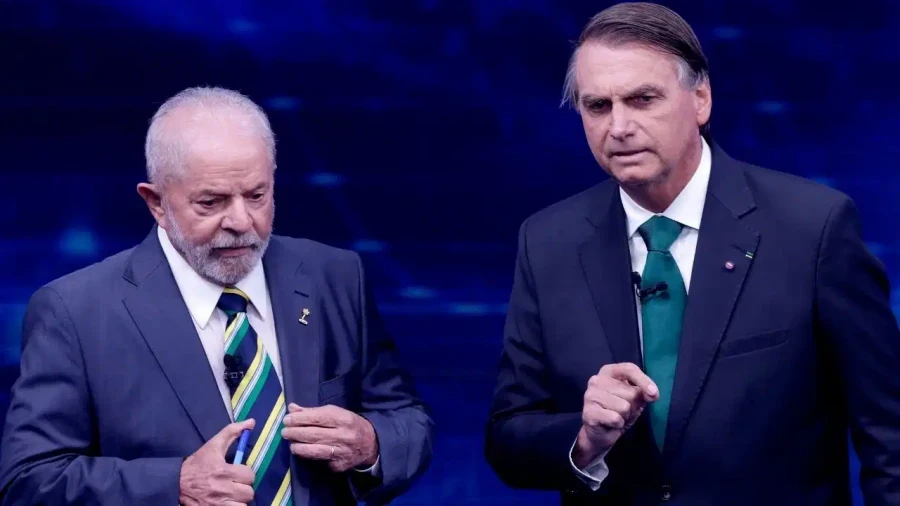
Incumbent President Luiz Inacio Lula da Silva is currently campaigning for what would be his fourth term in office, a testament to his enduring presence in Brazilian politics. On the opposing side stands Flavio Bolsonaro, the eldest son of former President Jair Bolsonaro. The competition between these two figures is exceptionally tight, with recent opinion polls indicating that they're currently in a statistical dead heat. This parity sets the stage for a highly contested and potentially volatile campaign period.
Political consultant and former Brazilian minister Thomas Traumann has provided insights into the expected nature of this campaign. He suggests that the upcoming weeks could see a very aggressive approach from both sides. Traumann noted that the 2022 presidential election was already one of the most bitter in Brazil's history, and he anticipates that the current campaign could be even more intense. It's worth noting that in 2022, Lula defeated Jair Bolsonaro by a very narrow margin. The political climate is further complicated by the fact that Jair Bolsonaro has been sentenced to 27 years in prison for his involvement in a coup attempt.
Rules of Engagement and Airtime Allocation
In Brazil, political parties aren't required to pay for advertising time on television and radio. Instead, airtime is allocated based on the size of the party's coalition and its representation in the lower house of Congress. Professor Bruno Pompeu from the University of Sao Paulo explains that this system is designed to reduce the disparity in campaign resources between wealthy and poor parties, theoretically creating a more level playing field for all participants.
As the first round of voting approaches on 4 October, the regulations for airtime are specific. Television and radio channels are required to dedicate approximately 14 minutes daily to around 1000 different 30 second advertisements. In addition to these general slots, a specific period of 12 minutes 30 seconds will be reserved daily for presidential candidates. Within this timeframe, Lula and his allied parties have secured 5 minutes 31 seconds of airtime. In contrast, Flavio Bolsonaro's party has been allocated 4 minutes 20 seconds. The remaining time will be distributed among two other participating parties. The fact that Flavio has less airtime than Lula suggests that he has been less successful in forming large coalitions with other major parties, a feat his father, Jair Bolsonaro, managed to achieve in 2018.
The Path to the Second Round
The electoral process in Brazil allows for a second round of voting if no candidate secures an absolute majority in the first. Should the election proceed to a second round, scheduled for 25 October, the rules for campaign advertising will change. In this scenario, both remaining candidates will be granted equal amounts of airtime on television and radio, ensuring a balanced final push for votes.
Experts also observe that the influence of social media is beginning to reshape how traditional television and radio ads are produced. There is a growing trend toward making these advertisements appear more natural and less artificial, reflecting the style of content found on social platforms. On top of that, some of the financial resources that were previously dedicated solely to television and radio production are now being redirected toward the creation of specialized social media content, highlighting the evolving nature of political communication in Brazil.