
- India,
- 12-Sep-2026 09:21 PM IST



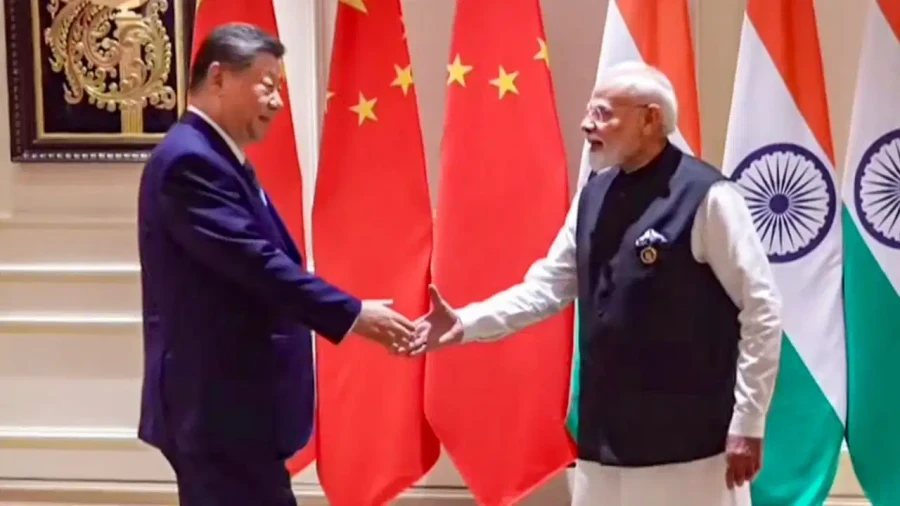
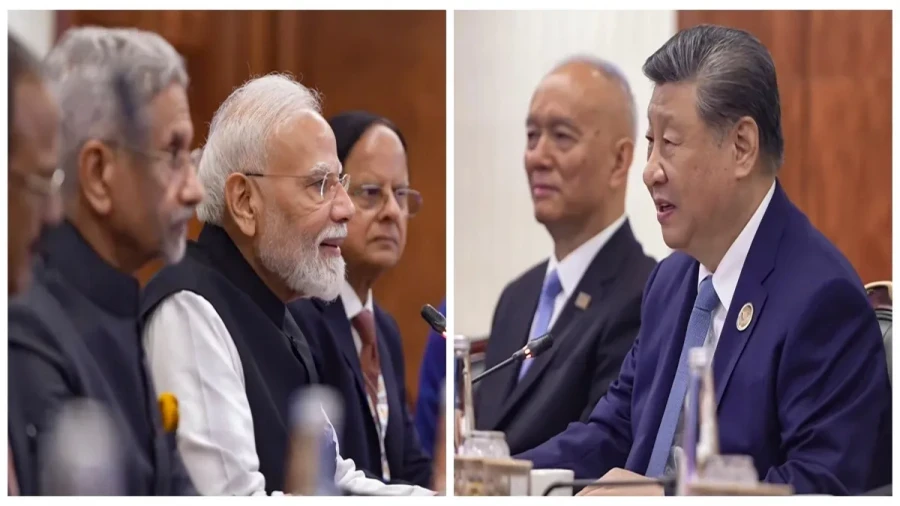
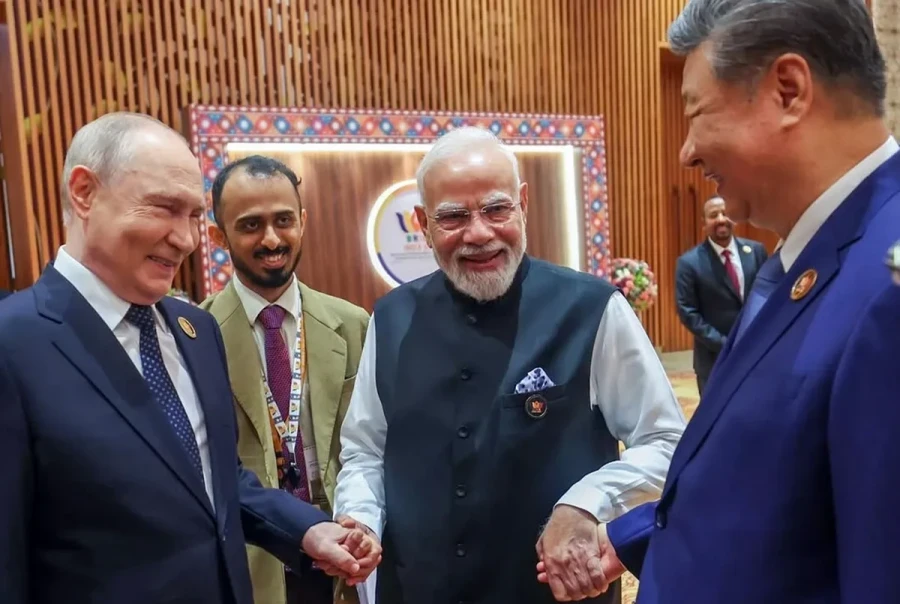
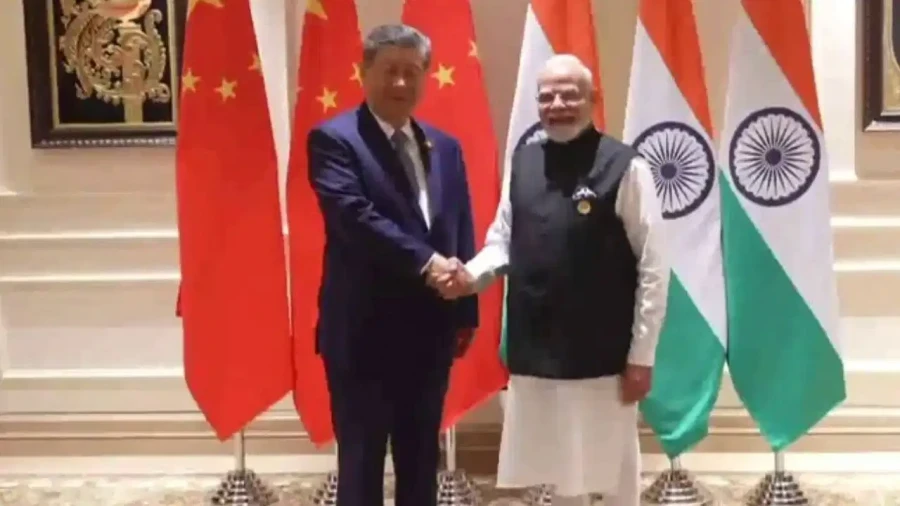
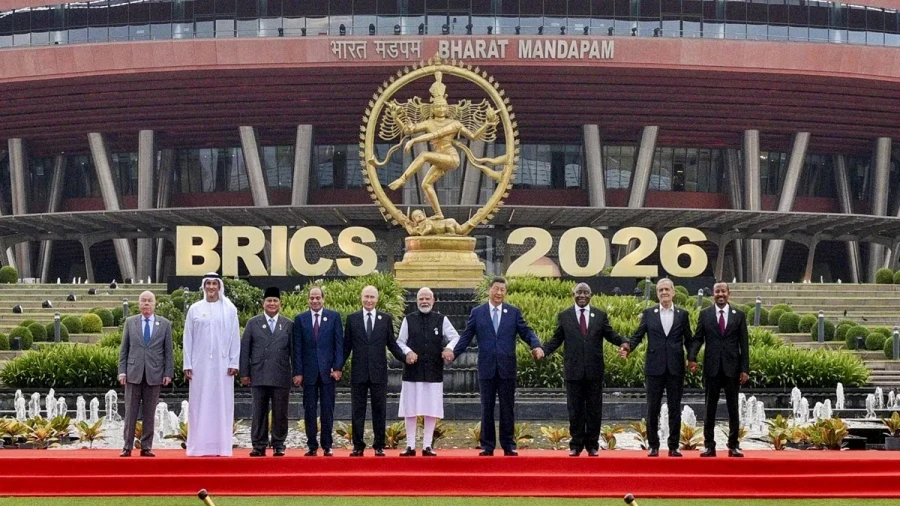
The BRICS 2026 Summit has emerged as a pivotal moment in international diplomacy, signaling that the group is no longer confined to limited areas of cooperation. The discussions and outcomes from this summit indicate a profound shift in the group's objectives, moving towards a comprehensive overhaul of the existing global system. The New Delhi Declaration has clearly reflected this evolution, showcasing an agenda that now encompasses reforms in global institutions, trade in local currencies, alternative financial networks, manufacturing, and cutting-edge technologies like Artificial Intelligence and Quantum technology. The underlying philosophy driving these initiatives is the desire to increase the representation and influence of developing nations in the global order, ensuring that their voices are heard in the corridors of international power.
Reforming Global Governance and International Institutions
One of the most significant aspects of the declaration is the call for a fundamental transformation of global governance, while bRICS has taken a firm stand on the need for reforms within the United Nations, the United Nations Security Council, the World Bank, the International Monetary Fund (IMF), and the World Trade Organization (WTO). The group argues that these institutions must reflect the changed realities of the modern world to remain relevant and effective. For India, this development is particularly noteworthy as both China and Russia have expressed their support for a larger and more significant role for India within the United Nations framework. This collective demand for reform highlights the group's commitment to creating a more equitable and representative international governance structure.
Strengthening Financial Systems and Local Currencies
The financial architecture of the world is another area where BRICS is seeking to provide alternatives. While the group has clarified that it doesn't currently aim to launch a single new currency, there is a strong consensus among member states to promote trade in local currencies. The focus is on strengthening payment systems, enhancing financial connectivity, and empowering the New Development Bank. The objective is to provide nations with more options within the global financial system, reducing their total dependence on any single dominant network, while by fostering alternative financial pathways, BRICS aims to create a more resilient and diversified economic environment for its members and the broader Global South.
Expansion and the Voice of the Global South
The expansion of BRICS beyond its original five members has Importantly bolstered the group's collective strength. This growth has transformed BRICS into a formidable platform for the countries of the Global South to collectively voice their concerns on critical issues such as development finance, international trade, and global governance. The inclusion of new nations has added diverse perspectives and increased the group's geopolitical weight, making it a central player in discussions regarding the future of the international system. This expanded footprint allows BRICS to advocate more effectively for the interests of developing economies on the world stage.
Trade, Manufacturing, and Supply Chain Resilience
In the realm of international trade, BRICS has voiced strong opposition to unilateral tariffs, protectionism, and economic coercion. The group's stance isn't necessarily against the concept of trade but rather a critique of who sets the rules of global trade and whether those rules are fair to developing nations. Also, there is a renewed focus on manufacturing, specifically targeting Micro, Small, and Medium Enterprises (MSMEs), global value chains, and the creation of solid supply chains. This shift indicates that member countries are no longer content with being mere suppliers of raw materials or cheap labor; they seek a larger share of the value created through globalization. This objective aligns closely with India's own domestic manufacturing goals and its aspirations to become a global production hub.
Technology as a Strategic and Geopolitical Tool
Technology has moved to the forefront of the BRICS agenda, with a focus on Artificial Intelligence (AI), Digital Public Infrastructure, Quantum technology, and global connectivity. This inclusion signifies that technology is no longer viewed solely as a tool for economic growth but as a foundation for strategic and geopolitical power. By collaborating on these advanced technologies, BRICS nations aim to bridge the digital divide and ensure that the benefits of technological progress are shared more equitably among developing nations, while also securing their positions in the future global economy.
A Firm Stance Against Global Terrorism
On the security front, BRICS has maintained a clear and firm position against terrorism in all its forms. The group has addressed critical issues such as terror financing, the cross-border movement of terrorists, and the existence of safe havens. In a significant move, the declaration specifically condemned the Pahalgam terrorist attack that occurred on 22 April 2025. This strong stance underscores the group's commitment to international peace and security and its recognition that terrorism remains a major threat to global stability and development. By addressing these security concerns, BRICS is positioning itself as a comprehensive forum that deals with both economic and security challenges.
Conclusion: A Gradual Shift in the World Order
When viewed collectively, these changes don't suggest that BRICS is attempting to create an entirely new world order overnight. Instead, the group is systematically working to create more space for countries outside the traditional power centers through economic, financial, technological, and political alternatives. By advocating for institutional reforms and building alternative networks, BRICS is gradually reshaping the international landscape to be more inclusive and representative of the diverse interests of the global community.