

- India,
- 27-Jan-2026 06:03 PM IST


The political atmosphere in the national capital intensified on Tuesday as the government and opposition clashed during the all-party meeting held ahead of the Parliament's Budget Session, while chaired by Defense Minister Rajnath Singh, the meeting saw participation from 51 leaders representing 39 political parties. While the government sought cooperation for a smooth session, the opposition laid out. A series of demands that set the stage for a confrontation in the house.
The Deadlock over G-RAM-G and SIR
The primary point of contention was the opposition's demand for a fresh discussion on the G-RAM-G law and SIR (Sovereign Investment Reform), while the government, however, stood firm in its refusal. Parliamentary Affairs Minister Kiren Rijiju stated that these issues had already been debated extensively in previous sessions. He remarked that once a law is enacted and presented to. The nation, the government can't simply "reverse the gear" and go back. This firm stance has left the opposition disgruntled, signaling potential disruptions in the coming days.
Opposition Raises Multiple Concerns
Opposition leaders, including Jairam Ramesh of the Congress and John Brittas of the CPM, raised several critical issues, while they expressed dissatisfaction over the delay in providing the list of government business for the session. MP Chandrashekhar Azad brought up the controversial new UGC guidelines, alleging they were politically motivated. Also, the transition from MGNREGA to the G-RAM-G law remained a hot topic, with the opposition claiming it undermines rural employment security.
Focus on Economy and Foreign Policy
Beyond domestic legislation, the opposition demanded discussions on international and environmental concerns. Issues such as the tariffs imposed by the US on Indian goods, shifts in. Foreign policy, deteriorating air quality, and the overall state of the Indian economy were highlighted. The opposition accused the government of evading accountability on these fronts. In response, the government maintained that the Budget Session is traditionally reserved for financial matters and the President's address.
Kiren Rijiju's Appeal for Order
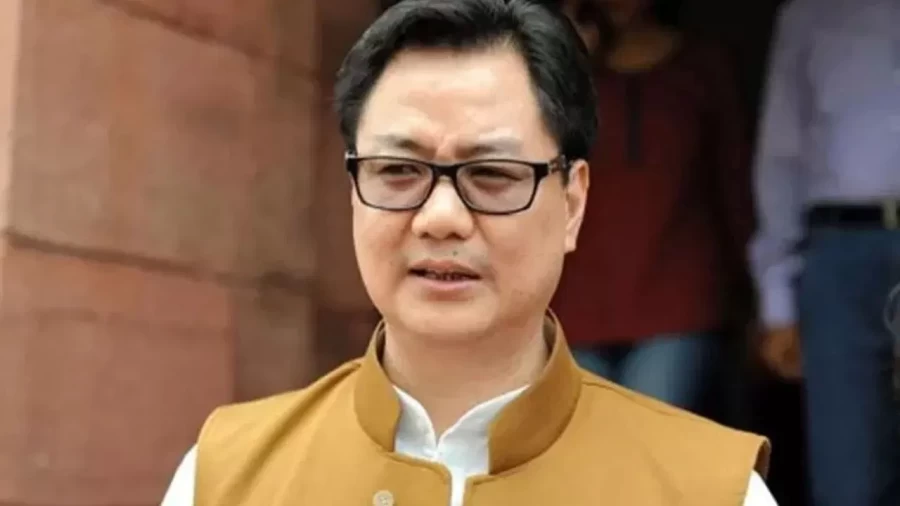
Addressing the media after the meeting, Kiren Rijiju appealed to the opposition to maintain the decorum of the Parliament. He reminded the members that they're elected to represent the people's voice and that the right to speak comes with the responsibility to listen. Rijiju emphasized that according to parliamentary rules, the focus during the budget session should remain on the budget itself. He urged the opposition to raise their points during the debate on the Motion of Thanks to the President's address rather than resorting to sloganeering and disruptions.
The Road Ahead: Budget 2024 Schedule
The Budget Session is scheduled to commence tomorrow with the President's address to a joint sitting of both houses, while this will be followed by the presentation of the Economic Survey on Thursday, providing a comprehensive analysis of the country's financial performance. The highlight of the session, the Union Budget, will be presented on February 1st, while with the government aiming to pass key legislations and the opposition prepared to corner them on various social and economic issues, the upcoming session promises to be a high-stakes political battle.
