

- India,
- 09-Jan-2026 09:48 PM IST


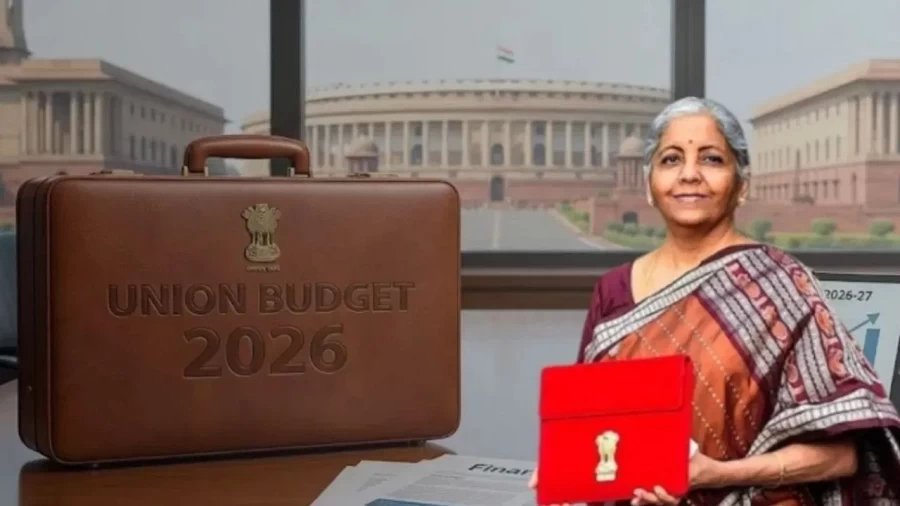
India's annual Budget for 2026 is set to be a landmark event for several reasons. Most notably, it will be presented for the first time on a Sunday, February 1st. The President has granted approval for the upcoming budget session of Parliament, which is scheduled to commence on January 28th and conclude on April 2nd, while this session will unfold in two distinct phases and will encompass several crucial events, including the traditional Presidential address and the presentation of the Economic Survey. The unusual Sunday presentation and the unique circumstance of a key. Official's absence within the Finance Ministry make this year's budget particularly noteworthy.
Presidential Assent and Session Commencement
As per the tentative schedule outlined by the Cabinet Committee on Parliamentary Affairs, President Droupadi Murmu will address a joint sitting of both Houses of Parliament on January 28th, while this traditional address by the President on the first day of the year's inaugural session outlines the government's policies and its forthcoming legislative agenda. It marks the formal commencement of parliamentary proceedings and is a significant event in the nation's legislative calendar. The President's address will set the stage for intense discussions and deliberations that will follow in the subsequent weeks of the budget session.
Economic Survey and Key Dates
Following the President's address, there will be no sitting of both Houses on January 29th due to the Beating Retreat ceremony. Parliament will reconvene on January 30th, when the Economic Survey is expected to be presented. The Economic Survey provides a detailed analysis of the state of the country's economy and serves as a crucial backdrop for the upcoming budget, while subsequently, there will be no sitting of the Lok Sabha and Rajya Sabha on January 31st, allowing members time to prepare for the budget presentation and review related documents. This timeline ensures that all necessary preliminary procedures are completed before the Union Budget is laid before Parliament.
Historic Budget Presentation on a Sunday
The Union Budget will be presented on February 1st, which falls on a Sunday this year. This marks a significant departure from tradition, as the budget is typically presented on a working day. The decision to present the budget on a Sunday makes this year's budget even more distinctive and indicates that the government is setting a new precedent for the presentation of this vital financial document. This move is likely aimed at maximizing attention to the budget's presentation and reaching a wider audience. On this historic day, crucial announcements that will shape the nation's financial direction will be made. The budget session will be conducted in two phases. The first phase will commence on January 28th and conclude on February 13th. This phase will involve discussions on the Motion of Thanks to the President's address and initial debates on the Union Budget. Parliament will then adjourn for approximately a month-long recess on February 13th. This recess allows parliamentary committees to scrutinize the demand for grants of various ministries and prepare their reports. The second phase will begin on March 9th and extend until April 2nd. This phase will include discussions on the demand for grants and the passing of related appropriation bills, which are an essential part of the budget process.
Session Conclusion and Good Friday's Impact
Parliament will resume its sittings on March 9th, and the session is slated to conclude on Thursday, April 2nd, while officials stated that typically, parliamentary sessions adjourn on a Friday. However, considering Good Friday on April 3rd and the subsequent weekend, the decision has been made to conclude the session a day earlier, on April 2nd. This adjustment ensures that parliamentary proceedings don't clash with the religious holiday and allows members to spend time with their families. The conclusion of the session will mark the completion of significant legislative and financial work for the nation.
Budget Preparation Amidst Finance Secretary's Absence
The preparation for this year's budget is also unfolding amidst another unique circumstance: the absence of a Finance Secretary in the Finance Ministry, while typically, the Finance Secretary is the most senior officer in the Finance Ministry. Their significant responsibilities include coordinating among different departments of the ministry, overseeing major budget-related decisions, and guiding the entire process. In simple terms, the Finance Secretary is considered the conductor of the budget machinery. Despite their absence, budget preparations are in full swing, which highlights the capability and dedication of other senior officials within the ministry. This situation underscores how the ministry is adapting to fulfill. Its responsibilities even in the absence of a crucial leadership position. This budget is drawing particular attention not only due to its presentation date but also because of its preparation amidst the absence of a key position in the Finance Ministry. It will be interesting to observe how these unique circumstances influence the nation's economic policies and priorities for the upcoming financial year.
