

- India,
- 02-Feb-2026 01:59 PM IST


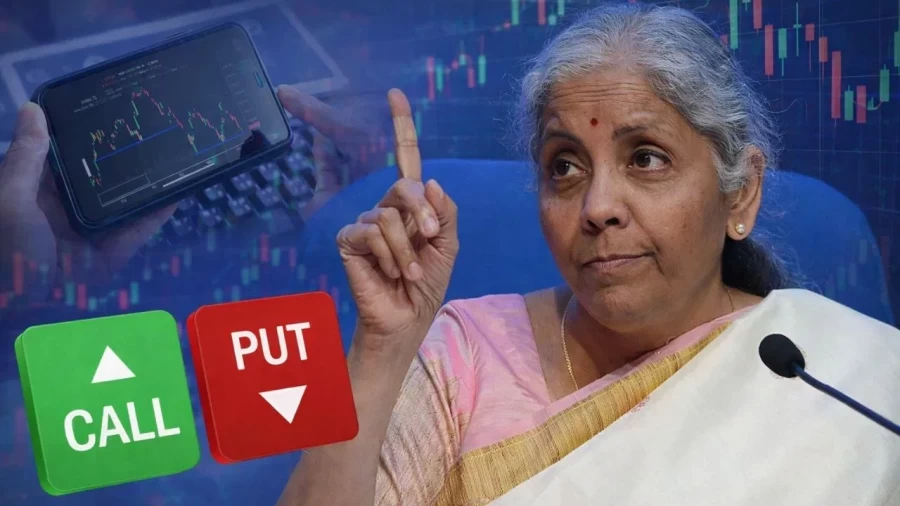
Finance Minister Nirmala Sitharaman, in the Union Budget 2026-27, announced a significant hike in the Securities Transaction Tax (STT) applicable to the Futures and Options (F&O) segment. This policy intervention is designed to address the growing concerns regarding excessive speculative activity in the Indian capital markets. The government has clarified that the tax revision is specifically targeted at the derivatives segment, ensuring that long-term equity delivery investors remain unaffected by this change.
STT Hike Details and Official Clarification
The decision to raise STT on derivatives comes amid a massive surge in trading volumes in the F&O segment. Revenue Secretary Arvind Srivastava clarified that the hike is restricted solely to Futures and Options trading, while he emphasized that investors engaging in delivery-based equity transactions—where shares are purchased and held in demat accounts—won't face any increase in tax liability. The primary objective behind this selective hike is to regulate the segment of the market where transaction velocity is driven by short-term speculation rather than fundamental investment.
Shankar Sharma Applauds the Policy Shift
Market veteran and founder of GQuant Investech, Shankar Sharma, has strongly endorsed the government's decision. Expressing his views on social media, Sharma compared the current craze for F&O trading to highly addictive and harmful substances. According to his analysis, the derivatives culture in India is eroding the financial foundation of the youth. He argued that F&O trading often results in a 'wealth transfer' from retail traders to brokerage firms and institutional players, without adding any tangible value to the broader economy. He described the move as a necessary step to safeguard future generations from financial ruin.
SEBI Data Highlights Retail Risks
The government's stringent stance is backed by data from the Securities and Exchange Board of India (SEBI). A comprehensive study by the regulator revealed that 9 out of 10 individual traders in the equity F&O segment incur significant financial losses. The report highlighted that a vast majority of these traders are retail investors with limited capital, often lured by the prospect of quick gains. Analysts suggest that the high benefit from associated with derivatives often leads to the total erosion of capital for small investors, making regulatory intervention via taxation a logical step to curb participation.
Impact on Market Structure and Analyst Perspectives
Market analysts believe that the increase in STT will raise the cost of carry for F&O participants, potentially reducing the volume of high-frequency trading and speculative bets, while according to industry experts, this move is expected to channelize retail savings toward more stable, long-term investment avenues like mutual funds and direct equity delivery. While some market participants expressed concerns regarding a potential dip in liquidity, the consensus among analysts is that the move will lead to a more mature and less volatile market environment in the long run. The government's intent is to prevent the stock market from being perceived as a gambling hub.
Conclusion
The Union Budget 2026-27 reflects a clear regulatory intent to prioritize financial discipline and retail investor protection. By hiking the STT on derivatives, the government has signaled its commitment to curbing unhealthy speculative trends. As the market adjusts to these new tax dynamics, the focus will remain on whether this move successfully reduces the high failure rate among retail derivative traders while fostering a culture of sustainable long-term investing.
