

- India,
- 01-Feb-2026 02:18 PM IST


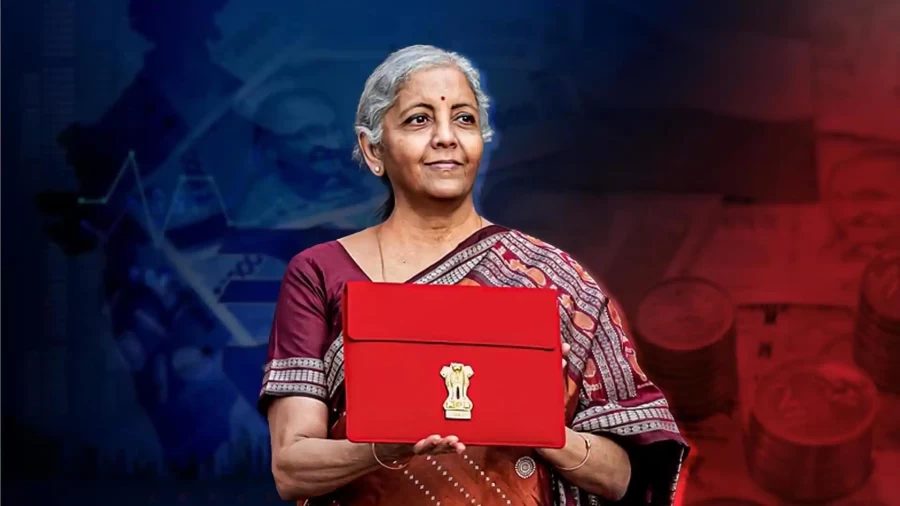
Finance Minister Nirmala Sitharaman presented the Union Budget 2026-27, introducing significant changes to customs duties aimed at boosting domestic manufacturing and providing relief in healthcare. The budgetary announcements indicate a clear shift towards incentivizing local production while increasing the tax burden on non-essential luxury items and speculative financial activities. These measures are expected to reshape consumer spending patterns across various sectors.
Healthcare Relief: Life-Saving Drugs Become Affordable
In a major move for the healthcare sector, the government has exempted 17 drugs used for cancer treatment and 7 drugs for rare diseases from customs duty entirely. On top of that, the duty on other essential medicines imported for personal use has been slashed from 20% to 10%. According to health sector analysts, these revisions will Importantly lower the cost of treatment for critical ailments, making advanced medical care more accessible to the general public.
Electronics and EVs: Push for Domestic Value Addition
To strengthen the 'Make in India' initiative, customs duties on critical components for smartphones and tablets, such as camera modules and display panels, have been reduced. This is expected to lower the production costs for domestic manufacturers, potentially leading to cheaper electronic devices. On top of that, to accelerate the transition to green mobility, the government has reduced duties on raw materials like lithium and cobalt used in lithium-ion battery manufacturing. Solar energy components and CNG kits have also received tax concessions to promote clean energy.
Consumer Goods and Sports: Impact on Daily Essentials
The budget has addressed the textile and leather industries by reducing import duties on raw materials to boost export competitiveness. This move is likely to stabilize or reduce the prices of branded footwear and apparel in the domestic market. Under the 'Khelo India' mission, sports equipment has been made more affordable through tax rationalization. For the aviation sector, the extension of customs duty exemptions on aircraft parts for Maintenance, Repair, and Overhaul (MRO) activities aims to reduce operational costs for airlines.
Costlier Items: Sin Goods, Luxury, and Financial Markets
On the flip side, the government has proposed a hike in excise duty and 'Sin Tax' on tobacco products, including cigarettes and pan masala, to discourage consumption and increase revenue. Imported luxury goods such as perfumes, high-end watches, and designer clothing will also become more expensive due to higher import duties. In the financial sector, the Security Transaction Tax (STT) on Futures and Options (F&O) trading has been increased substantially, aimed at curbing excessive speculation in the derivatives market.
Economic Analysis and Conclusion
According to market analysts, the Budget 2026-27 tax structure reflects a strategy of targeted relief and fiscal consolidation. The adjustments in import duties for precious metals like gold and silver are expected to influence domestic price volatility. The government’s focus remains steadfast on sectors that drive employment and technological innovation. Overall, the budget balances the need for affordable essential services with the requirement for higher revenue from luxury and speculative segments.
