

- India,
- 25-Jan-2026 09:31 AM IST


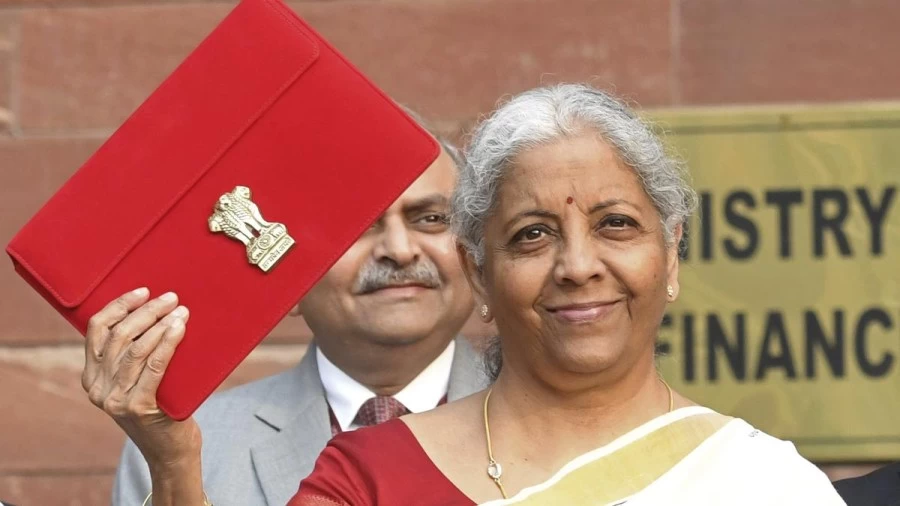
On February 1, 2026, Finance Minister Nirmala Sitharaman will present the Union Budget at a time when the global economy is facing unprecedented shifts. For the common man, the budget often feels like a maze of technical jargon. However, understanding these terms is crucial because they directly dictate the price of your groceries, the interest on your home loan, and the tax deducted from your salary. This year, the stakes are even higher due to the 50% tariff imposed. By the US on Indian shipments, creating a challenging backdrop for the Indian treasury.
Decoding Inflation and GDP
GDP, or Gross Domestic Product, is the total value of everything produced in the country. Think of it as India's annual income report card. A high GDP growth rate means the economy is expanding, which usually leads to more job opportunities and better infrastructure. In Budget 2026, the government’s GDP projections will signal to the world whether India remains the fastest-growing major economy despite global headwinds.
Inflation is a term that haunts every household budget. In simple terms, it's the rate at which the prices of goods and services rise. When inflation is high, your purchasing power decreases, while the government uses the budget to announce measures that control the supply of money in the market to keep inflation in check. If the budget focuses on reducing duties on essential items, your monthly expenses might go down.
The Balance of Fiscal Deficit and Capex
Fiscal Deficit is the difference between what the government earns and what it spends. To bridge this gap, the government borrows money, while while some borrowing is necessary for growth, an excessive fiscal deficit can lead to higher interest rates and inflation. The 'Fiscal Glide Path' mentioned in budget speeches refers to the government's plan to gradually reduce this borrowing over the years.
Capital Expenditure, or Capex, is often called 'good spending. ' This is the money the government invests in building long-term assets like highways, high-speed rails, and digital infrastructure. High Capex is a sign that the government is betting on future growth. It creates a multiplier effect—when a road is built, it creates jobs for laborers,. Business for cement factories, and faster transport for farmers, eventually boosting the entire economy.
Direct vs Indirect Taxes: Your Money
The most discussed part of any budget is the tax structure. Direct Tax is what you pay directly to the government from your earnings, such as Income Tax and Corporate Tax. Any change in the tax slabs or standard deduction directly impacts how much money you take home at the end of the month. With the rising cost of living, taxpayers are hoping for an increase in the basic exemption limit in the 2026 budget.
Indirect Tax, primarily GST, is paid by everyone regardless of their income level. It's included in the price of the products you buy. While GST rates are decided by the GST Council, the budget often tweaks 'Customs Duty'—the tax on imported goods, while by increasing duties on foreign electronics or machinery, the government encourages 'Make in India,' though it might make certain imported luxury items more expensive in the short term.
The US Tariff Challenge and Disinvestment
The recent 50% tariff hike by the US on Indian exports is a major hurdle. The budget is expected to provide subsidies or tax breaks to affected sectors like textiles and IT to keep them competitive. On top of that, the government will likely push for 'Disinvestment'—selling its stake in Public Sector Undertakings (PSUs). This helps the government raise funds for social welfare schemes without increasing the fiscal deficit.
Ultimately, Budget 2026 will be a balancing act between supporting the common man through tax reliefs and maintaining fiscal discipline amidst global trade tensions. Whether it fills your pocket or tightens your belt will. Depend on how the Finance Minister navigates these complex economic waters.
