
- India,
- 03-Jun-2026 05:02 PM IST



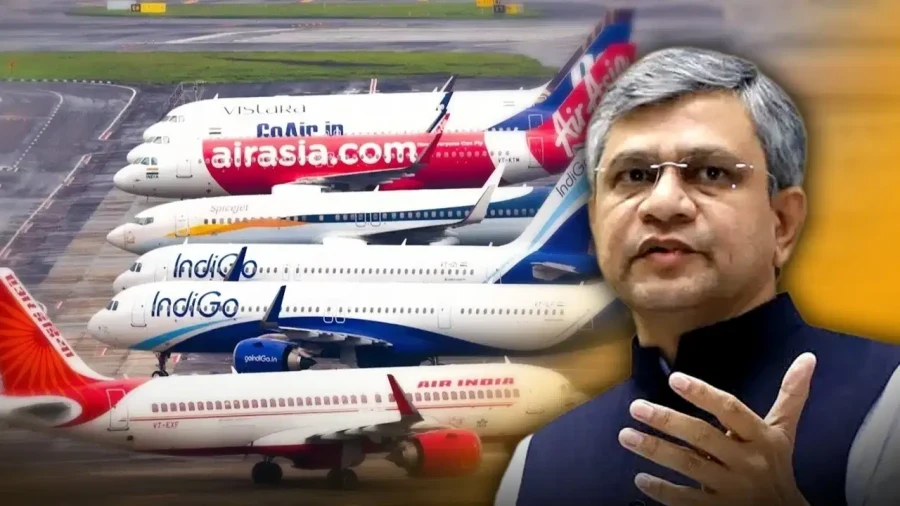
The Union Cabinet, chaired by Prime Minister Narendra Modi, has taken a significant step to safeguard India's aviation sector from the economic fallout of the ongoing Iran-US conflict. In a major move to stabilize the industry, the government has approved the creation of an Aviation Turbine Fuel (ATF) Price Stabilization Fund worth 10000 crore. This initiative is specifically designed to protect airline companies from the extreme volatility in fuel prices caused by the crisis in West Asia, while by providing this financial cushion, the government aims to ensure the stability of the aviation ecosystem and secure the livelihoods of approximately 77 lakh people employed in this sector.
Details of the ATF Price Stabilization Fund
Following the cabinet meeting, Union Minister Ashwini Vaishnaw announced that the government has approved six major decisions today, with the ATF fund being a primary focus. Under this scheme, the Ministry of Petroleum will provide an interest-free advance of 10000 crore to Oil Marketing Companies (OMCs). This advance will enable OMCs to supply aviation fuel to airlines at more stable and controlled rates, preventing the sudden price shocks that have recently plagued the industry. The mechanism is designed to be self-sustaining; when international ATF prices eventually decrease, the OMCs will repay the advance to the government until the entire amount is recovered.
Key Features of the Relief Scheme
The scheme includes several strategic provisions to ensure its effectiveness and reach across the industry:
- Interest-Free Support: The 10000 crore assistance to OMCs is provided without any interest burden, allowing them to pass on the benefits to airlines.
- Universal Eligibility: The scheme is open to all Indian airlines that choose to participate, covering both domestic and international flight operations.
- Price Predictability: By stabilizing fuel costs, airlines can achieve better financial planning and avoid the risks associated with sudden price hikes.
- Exclusive Purchase Agreement: Participating airlines will be required to purchase their ATF exclusively from government-owned OMCs for a period of up to three years, with an annual review of this arrangement.
Why the Intervention Was Necessary
The intervention comes at a critical time when the aviation sector is facing unprecedented pressure. The West Asia crisis has led to a massive surge in ATF prices, while 50 per liter, but by May 2026, it skyrocketed to nearly 142 per liter. 5 times increase in just two months. Since fuel accounts for nearly 40 percent of an airline's total operating expenses, such a sharp rise can push this share to 60 percent, making operations unsustainable. Also, the closure of Pakistani airspace has forced Indian carriers to take longer routes to Europe, North America, and Central Asia, further increasing fuel consumption and operational costs.
Broader Economic Impact
The government's decision is expected to have a positive ripple effect across various sectors. By stabilizing the aviation industry, the move will help prevent sudden spikes in airfares, ensuring that air travel remains accessible for passengers. It will also support the continuity of flight services to small cities and remote regions under regional connectivity schemes. Beyond the airlines themselves, this stability will benefit related industries such as tourism, trade, hotels, logistics, and investment. Also, it ensures the optimal utilization of airport infrastructure, which is vital for the country's economic growth.