
- India,
- 27-Jul-2026 08:20 AM IST



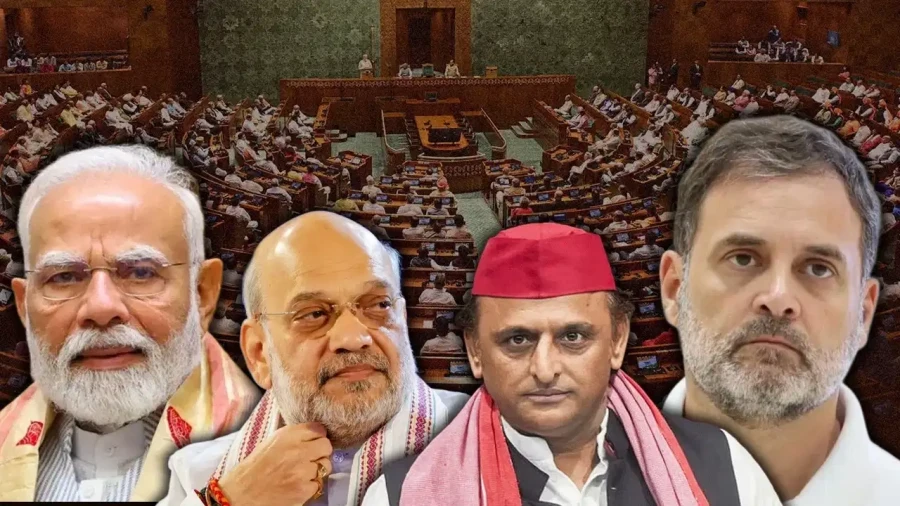
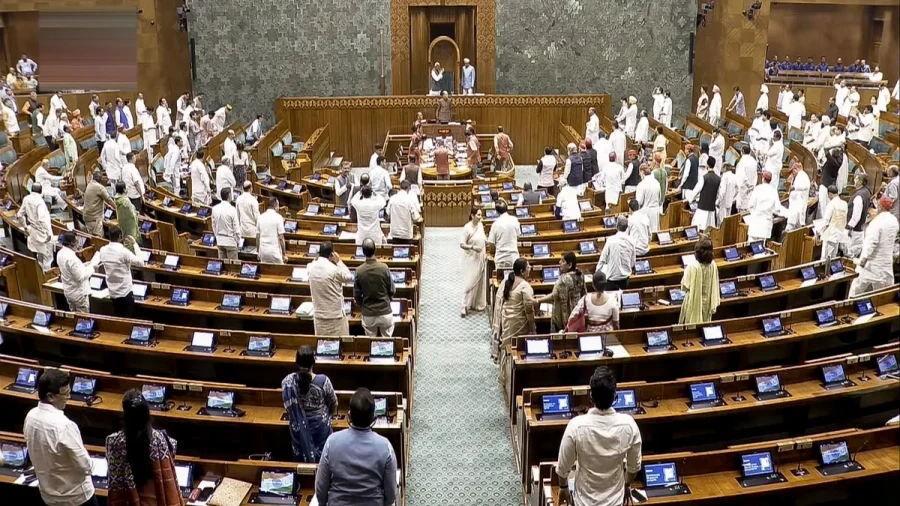
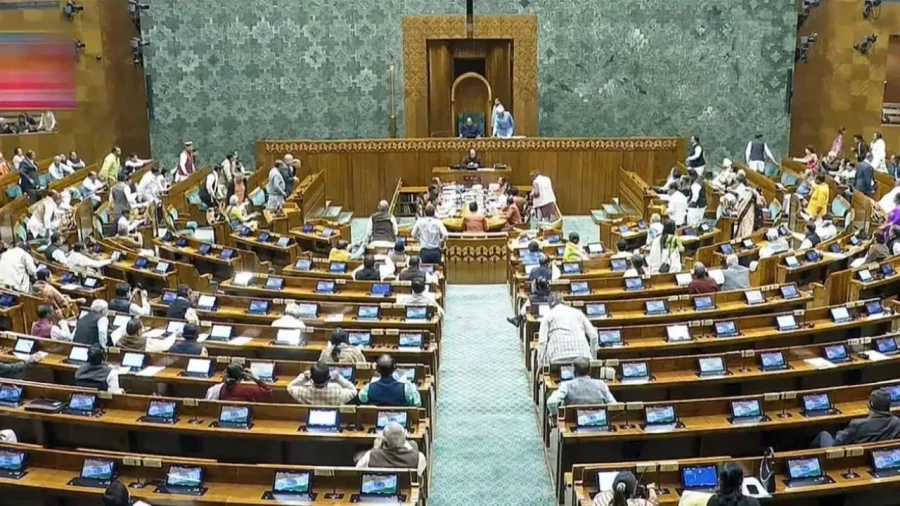
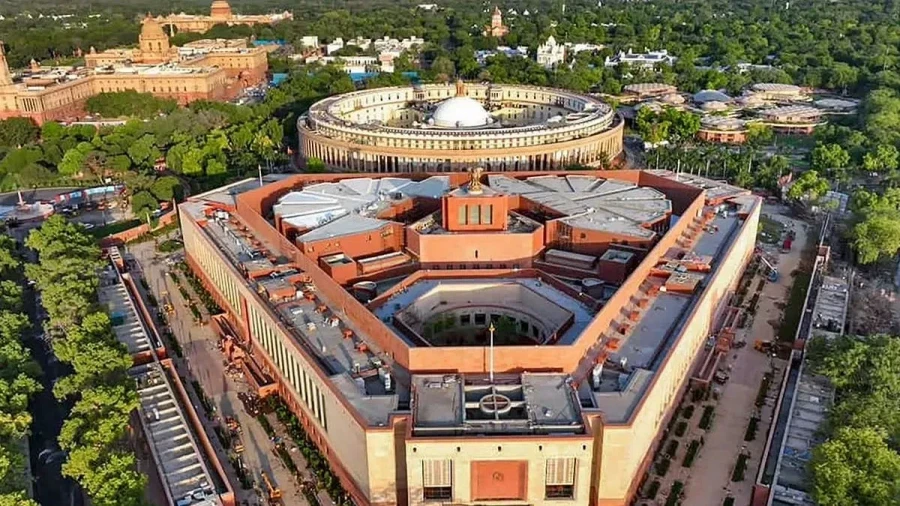
The Indian Parliament is set for a high-stakes showdown today as the Central Government prepares to introduce the Public Examination (Prevention of Unfair Means) Amendment Bill, 2026. This legislative move comes in the direct aftermath of the massive controversy surrounding the NEET-UG paper leak, which has already led to the resignation of Education Minister Dharmendra Pradhan. As the proceedings of both the Lok Sabha and the Rajya Sabha resume on Monday, all eyes are on the treasury benches and the opposition's strategy to corner the government on issues of accountability and student welfare.
Introduction of the Public Examination Amendment Bill 2026
Union Minister Jitendra Singh is scheduled to introduce the Public Examination (Prevention of Unfair Means) Amendment Bill, 2026, in the Lok Sabha today. Following the introduction, the Minister will also move a motion for the bill to be taken into consideration and passed. This bill is a significant step by the government to address the systemic failures that lead to paper leaks in competitive examinations. The proposed legislation includes 7 primary amendments designed to plug enforcement loopholes, establish a dedicated judicial system, and accelerate criminal trials related to examination fraud.
One of the most critical aspects of the 2026 Bill is the introduction of strict time limits for investigations and judicial proceedings, marking a major shift from the 2024 framework. Under the new provisions, State Governments and Union Territory administrations will have the authority to designate Session Courts as Special Fast Track Courts, while these courts will be specifically tasked with the trial of offenses committed under this Act, ensuring that justice isn't delayed.
Strict Timelines and Cabinet Approval
The bill mandates that proceedings in the Special Fast Track Courts must be conducted on a day-to-day basis. Plus, the legislation stipulates that trials must be completed within 3 months of the filing of the charge sheet. This move is intended to act as a strong deterrent against organized syndicates involved in paper leaks. The Union Cabinet, chaired by Prime Minister Narendra Modi, had already granted its approval for these amendments on Friday, July 24, amid the ongoing nationwide protests over the NEET examination irregularities.
During the Cabinet meeting, Prime Minister Modi emphasized that this law should be given the highest priority. He directed the concerned ministries to ensure that the bill is brought before Parliament at the earliest possible opportunity, while this decision followed the sustained agitation by the CJP, which only ended after the resignation of Minister Dharmendra Pradhan and the government's assurance to withdraw FIRs against protesters and provide financial compensation to the victims.
Formation of the High-Level Task Force
In a parallel development aimed at long-term systemic reform, Prime Minister Narendra Modi announced on Sunday the formation of a 6 member task force. This task force is headed by Nandan Nilekani, the co-founder of Infosys and the architect of Aadhaar. The primary mandate of this task force is to work on comprehensive examination reforms, including the functioning of the National Testing Agency (NTA). The government aims to benefit from Nilekani's expertise in technology and large-scale systems to create a foolproof examination process for the future.
Opposition Strategy and Demands
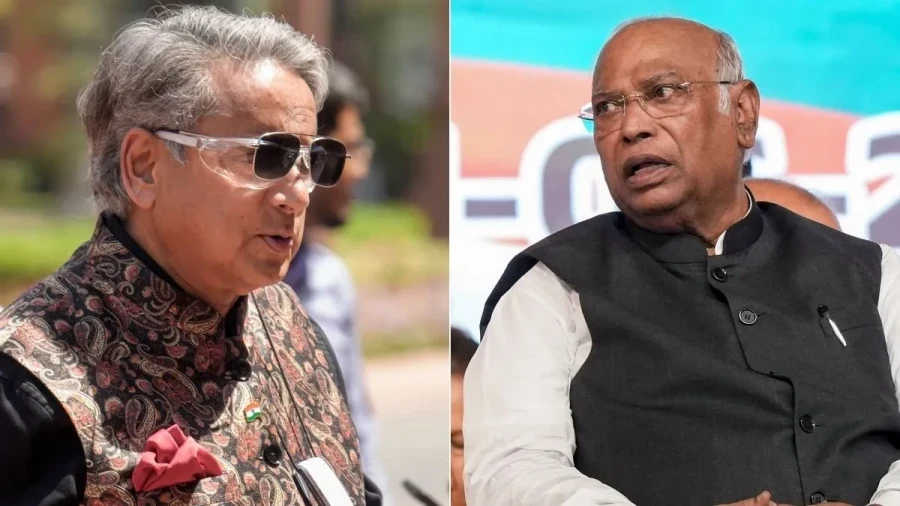
While the government moves forward with its legislative agenda, the opposition is preparing for a fierce confrontation. Leaders of the opposition parties in both the Rajya Sabha and the Lok Sabha are scheduled to meet at 10 AM today in the office of the Leader of Opposition in the Rajya Sabha. The meeting is intended to finalize their joint strategy for the remainder of the Monsoon Session, which began on July 20 and is scheduled to continue until August 13.
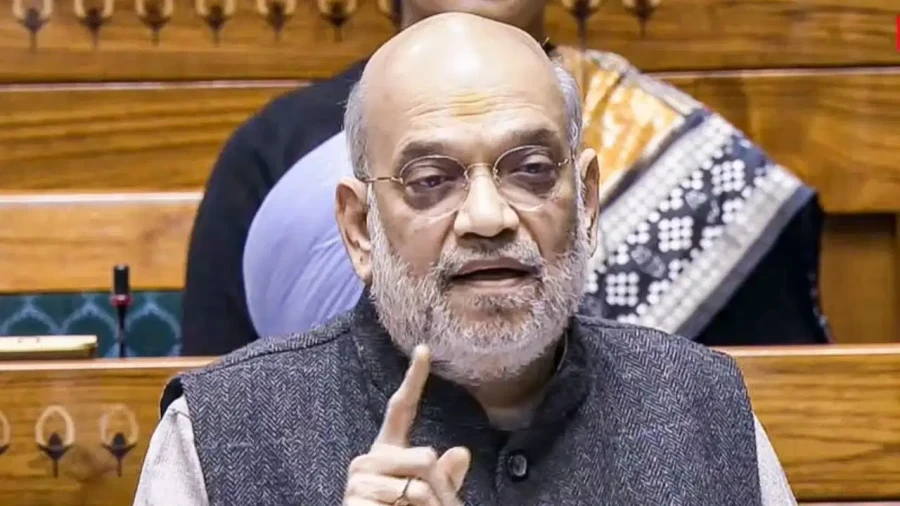
The opposition has indicated that while they're willing to allow regular legislative business and debates to proceed, they've a non-negotiable demand. They're seeking an official statement from Prime Minister Narendra Modi on the floor of the House regarding the NEET-UG exam leak. Plus, the Congress party is demanding a statement from Union Home Minister Amit Shah concerning the police action and alleged brutality against protesting students in Delhi.
Rahul Gandhi's Letter to Amit Shah
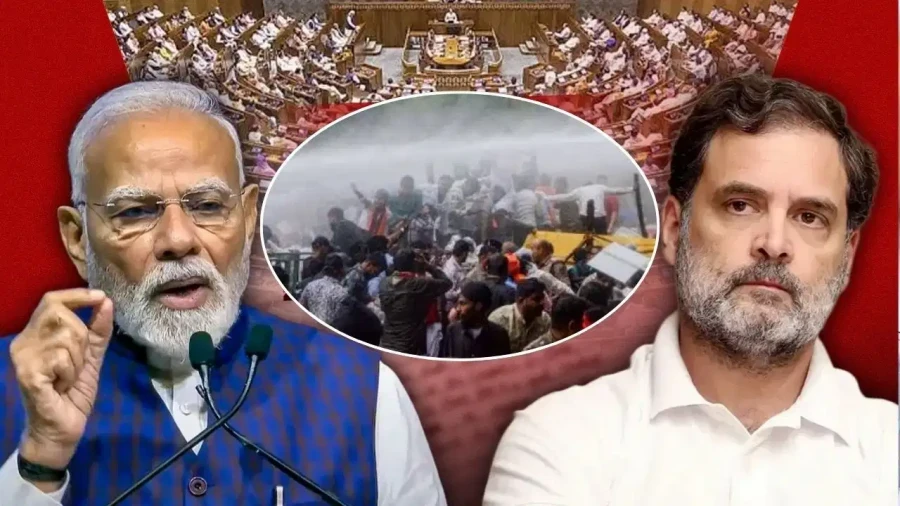
Leader of the Opposition Rahul Gandhi has taken a direct stance by writing a letter to Home Minister Amit Shah. In his communication, Gandhi sought accountability for what he described as a "barbaric attack" on students who were protesting peacefully. He specifically questioned whether the Home Minister had authorized the use of lethal force, including pellet guns, against the students. Gandhi emphasized that peaceful protest is a fundamental pillar of democracy and asserted that it's the government's responsibility to protect protesters and address their grievances through dialogue rather than force.
Political analysts suggest that the opposition's focus has shifted from demanding the accountability of a single minister to targeting the top leadership of the government. By holding Amit Shah directly responsible for the police action and the alleged use of pellet guns, the opposition aims to keep the government on the defensive. Also, as the Modi government seeks a two-thirds majority in the Lok Sabha for potential constitutional amendments, the opposition views this as an opportunity to block any moves related to delimitation laws by leveraging the current political climate.