
- India,
- 05-Aug-2026 08:48 PM IST



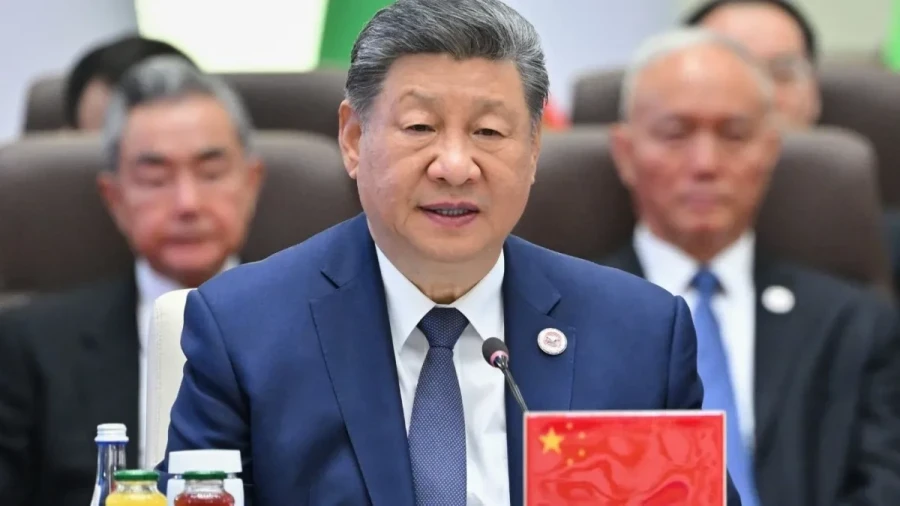
China has officially initiated a series of retaliatory economic measures against the United States on Wednesday, marking a sharp escalation in the ongoing trade friction between the two global powers, while in a decisive move, the Chinese government has placed 6 American companies on a restrictive blacklist, effectively barring them from conducting business within the country. Alongside these corporate sanctions, Beijing has also announced the implementation of much stricter regulations regarding the export of drones and related technologies to the United States. This comprehensive response follows a series of new trade restrictions recently introduced by the US, which were based on concerns regarding national security and allegations of forced labor.
Response to Trump Trade Policies
These retaliatory actions by China come at a time when the United States has been aggressively expanding its tariff regime. Under the business policies of President Donald Trump, the US recently imposed new tariffs not only on China but also on more than 50 other nations. The US administration has justified these measures as a necessary step to correct what it describes as an "unfair" trade deficit that has persisted for years, while however, China has strongly contested this narrative, viewing the US actions as a violation of international trade norms and a direct attack on its economic stability.
Protection of Legitimate Interests
" The spokesperson emphasized that the Chinese government feels compelled to protect its economic sovereignty and the interests of its domestic industries, while according to the ministry, the US measures have left China with no choice but to respond with its own set of restrictive policies to maintain a balance in the trade relationship.
Tightening Controls on Drone Technology
One of the most significant aspects of China's retaliation is the tightening of export controls on drones. The Chinese spokesperson further elaborated that as a direct response to US pressure, China will strengthen its oversight on the export of drones, their critical components, and associated technologies to the United States. This move is seen as a strategic countermeasure, given China's dominant position in the global drone manufacturing market. By controlling the flow of these high-tech products, China aims to exert pressure on the US technological and defense sectors that rely on these components.
Blacklisting of Six American Firms
The Chinese government has specifically targeted 6 American companies by placing them on its sanctions list. Among the prominent names included in this blacklist are the geoscience research firm known as Stratum Reservoir and the biotechnology company Applied DNA Sciences, while the implications of being placed on this list are severe. Under these new sanctions, all Chinese citizens and organizations are strictly prohibited from engaging in any form of transaction, cooperation, or other business activities with these 6 entities. This move is intended to isolate these companies from the Chinese market and disrupt their operational capabilities within the region.
Broader Context of Global Tariffs
It's important to note that the current friction is part of a larger trend of US trade protectionism. In July, the United States delivered a significant blow to global trade by imposing tariffs on 60 different countries. This wave of tariffs didn't spare major trading partners, including India. Specifically, India was hit with an additional tax of 10 percent, highlighting the broad reach of the Trump administration's trade agenda. China's latest actions are a clear signal that it won't remain passive in the face of such widespread economic pressure and will take necessary steps to safeguard its position.
The Xinjiang Controversy
The Chinese Ministry of Commerce also provided specific reasons for targeting the 6 blacklisted companies. According to the ministry, these firms played a role in supporting and facilitating what Beijing calls "illegal" US sanctions related to the Xinjiang region. The ministry described the nature of their actions as extremely serious, warranting the harsh penalties imposed. This development touches upon a sensitive geopolitical issue, as the United Nations has previously raised concerns regarding potential crimes against humanity involving the Muslim Uyghur minority community in Xinjiang. While the international community has called for accountability, Beijing has consistently and repeatedly denied all such allegations, maintaining that its policies in the region are focused on stability and development.