
- India,
- 24-Aug-2026 07:16 PM IST



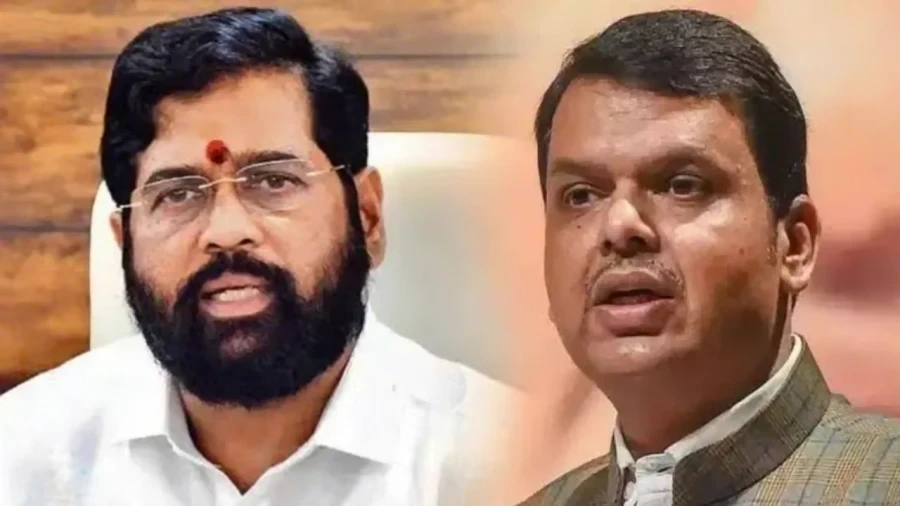
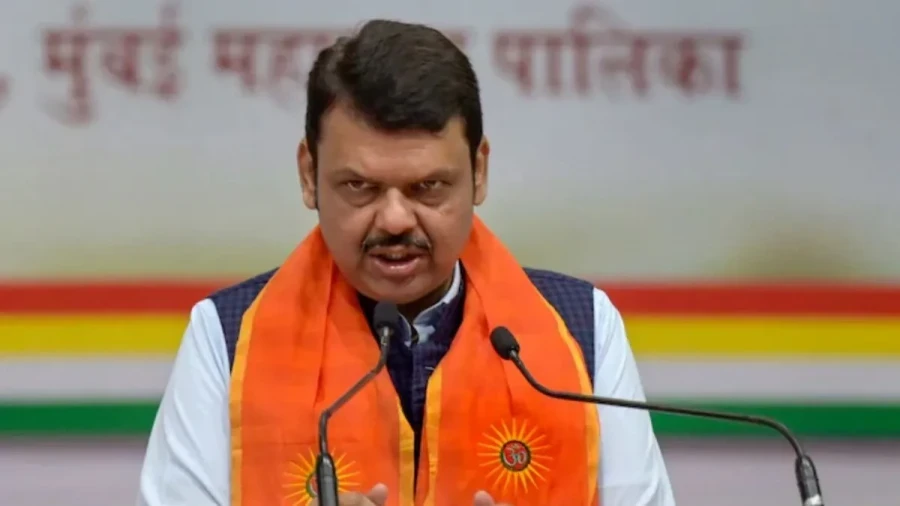
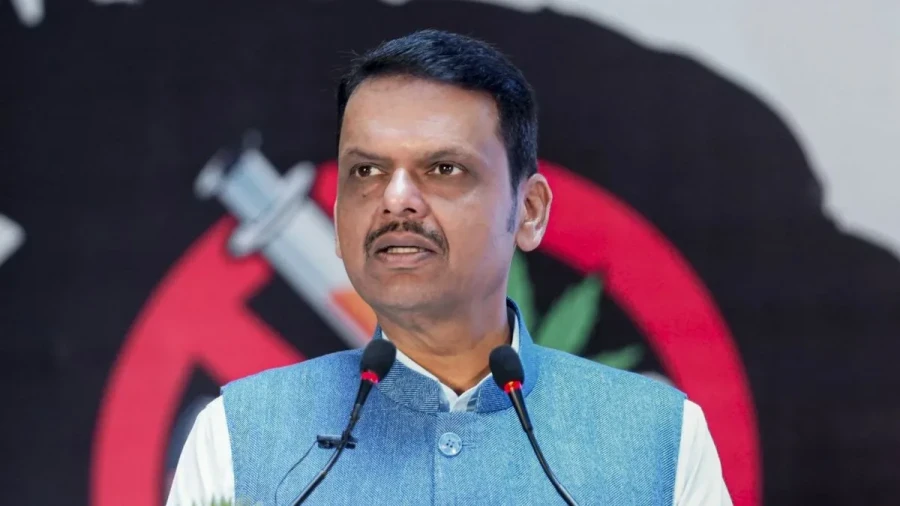
Maharashtra Chief Minister Devendra Fadnavis has officially addressed the escalating controversy regarding the mandatory learning of the Marathi language in the state. Speaking on the matter, the Chief Minister stated that the state government has no intention of committing any form of injustice against individuals based on the language they speak. He clarified that the administration's primary expectation is simply for people working in the state to acquire a basic, conversational understanding of Marathi to facilitate smoother communication with the local population.
Assurance to North Indian Drivers and Livelihood Protection
The Chief Minister specifically reached out to the community of North Indian rickshaw and taxi drivers operating in Mumbai and other parts of Maharashtra. He categorically denied rumors suggesting that the licenses of these drivers were being cancelled due to a lack of Marathi language proficiency. Fadnavis emphasized that the government wouldn't allow anyone's livelihood to be adversely affected by this issue. He pointed out that the matter is being unnecessarily politicized by certain factions to create a sense of fear and unrest among the working class.
Plus, Fadnavis expressed the government's willingness to be flexible regarding the timeline for learning the language, while he stated that if rickshaw and taxi drivers require more time to learn conversational Marathi, the state government is fully prepared to extend the current deadlines. The objective, according to the CM, isn't to penalize the drivers but to encourage social integration through language, ensuring that those who serve the public can communicate effectively in the local tongue of the state.
Criticism of Congress on Women's Reservation and Delimitation
Shifting his focus to national political issues, Chief Minister Devendra Fadnavis launched a sharp attack on the Congress party and senior leader P. Chidambaram. He accused the Congress of spreading lies and misinformation regarding the Women's Reservation Bill and the subsequent process of delimitation. Fadnavis claimed that even in 2023, the Congress party was internally opposed to the idea of women's reservation. However, they chose to support it publicly only because they were aware that the government possessed the necessary majority to pass the bill in Parliament. He described their support as an attempt to join a winning cause rather than a genuine commitment to the issue.
The Chief Minister elaborated on the technicalities of the 2023 Women's Reservation Act, noting that the provision for delimitation was an integral part of the legislation from its inception. He explained that the decennial census couldn't be conducted as scheduled due to the global COVID pandemic. Given the current logistical constraints, Fadnavis stated that it isn't feasible to complete a new census and the subsequent delimitation process before 2029. Consequently, the government has proposed a middle path to implement delimitation based on the previous census data to ensure that the reservation can be enacted at the earliest possible opportunity.
Allegations of Political Obstructionism
Fadnavis further alleged that the Congress party's opposition to the current delimitation process is a calculated move to delay the implementation of women's reservation. He asserted that the Congress doesn't truly want to see women empowered through reserved seats in legislatures and is aiming to block the process until at least 2029. By opposing the proposed middle path, the Chief Minister argued, the Congress is revealing its true stance against gender equality and political representation for women.
Context of Protests in Kurla and RTO Actions
The context of the Chief Minister's remarks stems from recent reports of unrest among non-Marathi auto-rickshaw and taxi drivers. These drivers have been protesting against what they perceive as aggressive actions by the Regional Transport Office (RTO). In areas like Kurla, the situation escalated to the point where drivers initiated a strike, halting their services to protest against the mandatory language requirements. The drivers have alleged that the RTO's enforcement is driven by political motives rather than administrative necessity, while by addressing these concerns directly, CM Fadnavis aimed to de-escalate the tension and provide a clear stance on the government's policy, reiterating that the focus remains on basic conversational skills rather than academic proficiency.