
- India,
- 29-Aug-2026 05:20 PM IST



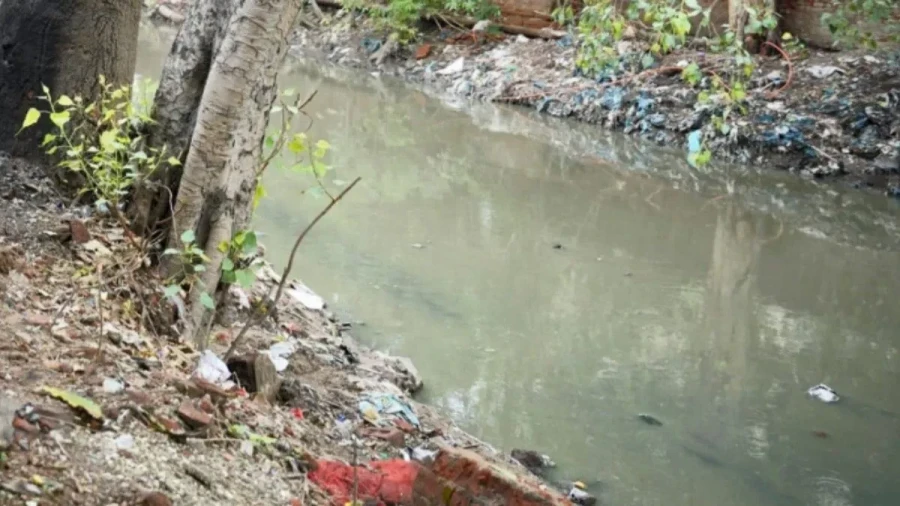
In a significant move to address the recurring issues of flooding and waterlogging in the national capital, officials have for the first time identified 8 specific drains that are considered extremely difficult to maintain and clean. These drains have become a major cause of concern for the city's infrastructure, especially during the monsoon season. The identification of these 'difficult' drains is part of a comprehensive strategy to overhaul the city's drainage system. According to the Service Plan Report of the Irrigation and Flood Control (I&FC) Department, these drains suffer from chronic issues such as encroachment, direct discharge of sewage, accumulation of garbage, and the dumping of cow dung. These factors Importantly hinder the desilting process and reduce the water-carrying capacity of the channels during heavy rainfall.
The Master Plan 2047 Framework
The recently approved Delhi Master Plan 2047 (MPD 2047) has taken cognizance of these 8 problematic drains. The plan outlines specific challenges associated with each drain and suggests remedial measures to enhance their drainage capacity, while the report highlights that various agencies, including the Municipal Corporation of Delhi (MCD), the Irrigation and Flood Control Department (I&FC), the Delhi Development Authority (DDA), and the Delhi Jal Board (DJB), face immense difficulties in maintaining these stretches due to logistical and structural barriers.
Detailed Analysis of the 8 Problematic Drains
The report provides a detailed breakdown of the issues plaguing these specific drains and the proposed solutions to fix them:
- Escape Drain Number 1: This drain faces a unique challenge where two water pipelines passing through the interior of the drain are obstructing the natural flow of water. Additionally, heavy silt from a nearby Water Treatment Plant and a lack of sufficient space for cleaning machinery to reach the site have worsened the situation. The proposed solution involves shifting both water pipelines to an alternative location, followed by intensive desilting.
- Biharipur Drain: Located in North-East Delhi, this drain is surrounded by dense population and residential buildings on both sides. This proximity makes it nearly impossible for cleaning machines to access the drain. It is also a site for heavy dumping of municipal waste and cow dung. The Master Plan suggests constructing a parallel road to facilitate the movement of cleaning equipment and, if necessary, removing unplanned or illegal structures along the banks.
- Bund Drain: Similar to Biharipur, the Bund Drain is hemmed in by closely built houses, leaving no room for maintenance. The dumping of waste and cow dung remains a critical issue. While bar screens have been installed and a bypass drain has been created, the report recommends building a parallel road and removing illegal constructions to ensure regular cleaning.
- Kirari Suleman Nagar Drain: This is perhaps the most complex case, involving 106 illegal and unsewered colonies. Domestic waste, raw sewage, and municipal garbage from these colonies flow directly into the drain. During the flood season, treated residual water also enters the drain, leading to excessive siltation. The DDA has been advised to divert the incoming dirty water at two points into other nearby drains via the main DDA road drain. Furthermore, three existing culverts are to be replaced with Hume pipes of adequate size to improve flow.
- Pankha Road Drain: This drain is troubled by garbage dumping, encroachment, and the presence of high-tension power lines overhead. Officials have recommended constructing concrete walls on both sides of the drain. The DJB and electricity distribution companies will coordinate to resolve issues related to the high-tension wires.
- Relief Drain: Lack of space for cleaning machinery is the primary hurdle here. Apart from local residents, street vendors also dump waste into this drain daily. The National Highways Authority of India (NHAI) has planned a complete redesign of the drain, including the creation of a proper outfall to ensure smooth water discharge.
- Nasirpur Drain: Located in West Delhi, this drain receives massive amounts of solid municipal waste because of a lack of proper 'Dhalaos' or garbage collection centers in the vicinity. The Master Plan suggests that the MCD establish proper collection points for households and markets. Additionally, installing steel mesh over the drain is proposed to prevent direct dumping.
- Asola Drain: This South Delhi drain faces identical issues to the Nasirpur drain, with residents dumping waste due to inadequate collection infrastructure. The suggested remedy includes building collection centers and installing steel mesh covers.
Focus on Capacity Building Before Monsoons
The primary objective of the measures suggested in Master Plan 2047 is to restore the original water-carrying capacity of these 8 drains and make regular maintenance feasible. Officials believe that addressing these specific bottlenecks will Importantly improve water drainage during heavy rains, thereby mitigating the risk of floods and waterlogging. The emphasis is on ensuring that maintenance and cleaning are streamlined well before the peak monsoon season. The urgency of these repairs is underscored by past incidents where drains have overflowed, including a dangerous event where 3 children narrowly escaped a life-threatening situation after falling into an overflowing drain.