
- India,
- 07-Nov-2026 09:55 PM IST



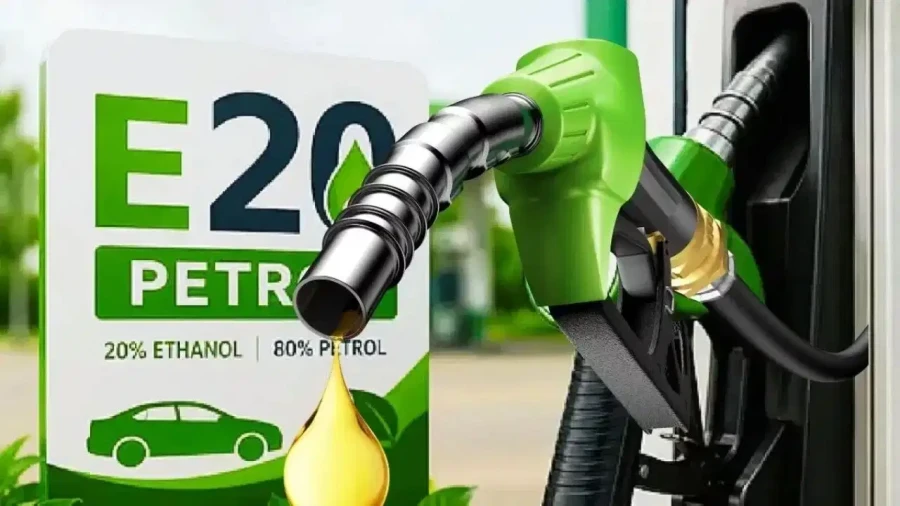
The government on Saturday strongly defended its twenty percent ethanol-blended petrol program, stating that eighty-nine十三章 samples of petrol collected from twenty-seven states and union territories, including fifty-six samples from Karnataka, were found to conform to the prescribed quality standards, while along with this, state-run oil companies have strongly challenged claims made by the Karnataka government regarding excessive ethanol content in fuel sold at certain retail petrol pumps in the state.
In an official statement, the Ministry of Petroleum and Natural Gas said that Indian Oil Corporation, Bharat Petroleum Corporation, and Hindustan Petroleum Corporation found the ethanol content in all eight hundred ninety-three samples to be well within the nineteen to twenty-one percent range prescribed under the Bureau of Indian Standards IS 17021 specification. This government clarification comes amid ongoing scrutiny and concerns surrounding the countrywide fuel initiative.
Ethanol content recorded between nineteen and twenty percent
The ministry stated that across various locations and involving all three oil marketing companies, the ethanol content in fifty-six samples from Karnataka was recorded between nineteen and twenty percent, with an overall average of nineteen point thirty percent. These findings directly contradict a recent statement issued by Karnataka Food, Civil Supplies, Consumer Affairs, and Legal Metrology Department, which had claimed that petrol samples collected from certain retail outlets in the state contained twenty-six to thirty-one percent ethanol.
All three oil marketing companies have questioned the sampling and testing procedures adopted during this exercise by Karnataka in October 2026. The companies argued that without compliance with prescribed statutory procedures and technical details of the tests, the results can't be independently verified.
Concerns raised over vehicle compatibility and testing methods
This controversy has surfaced at a time when India nationwide E20 program, launched to reduce dependence on imported crude oil and curb emissions, is under close scrutiny regarding vehicle mileage, engine compatibility, and potential costs to consumers. Oil marketing companies stated that samples collected during the September campaign were sent to designated company laboratories through state-level coordinators, but the subsequent October exercise was allegedly conducted without their official representatives.
The companies stated that they didn't receive the actual physical samples, complete details based on retail sales centers, or laboratory reports. The companies also raised questions over certificates issued by any third-party laboratory, pointing out that they failed to mention the standard testing procedure used to determine ethanol content via gas chromatography, dilution procedures, or reference materials.
Citing procedural lapses, oil companies alleged that proper sampling protocols weren't followed in Karnataka. Consequently, the companies demanded access to all sampling-related documents and further proposed a joint verification and investigation to determine the exact ethanol quantity transparently.