
- India,
- 26-Oct-2026 05:42 PM IST



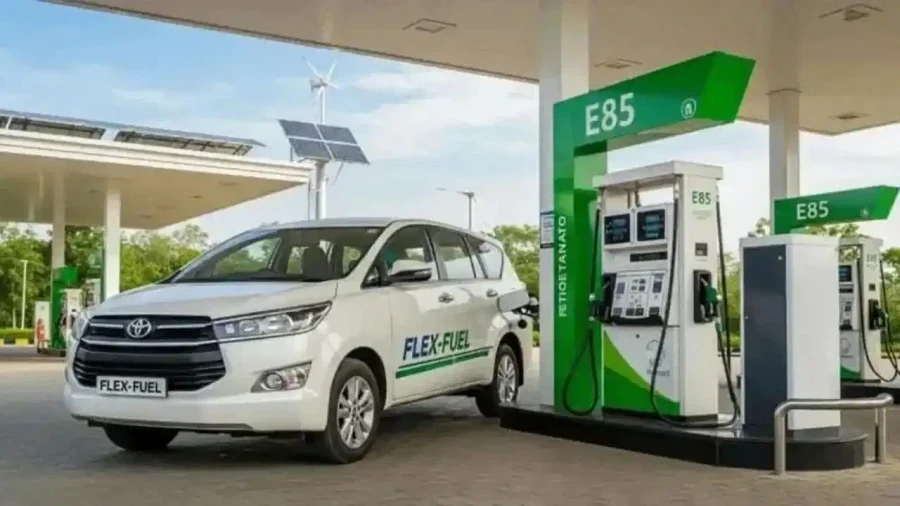
The Ministry of Road Transport and Highways of the Government of India has officially notified amendments to the Central Motor Vehicles Rules on Monday. With this significant notification, the path has been completely cleared for flex-fuel vehicles capable of running on 100 percent ethanol fuel, known as E100. Flex-fuel vehicles are specially engineered and built to operate efficiently on E85, which is a blend of 85 percent ethanol with petrol, as well as 100 percent ethanol fuel designated as E100.
E85 or E100 Fuel Cannot Be Used in Standard Vehicles
A senior official of the ministry clarified that fuel containing more than 20 percent ethanol can only be used in vehicles that have been specifically designed and certified to run on higher ethanol blends. This directly implies that vehicle owners won't be able to use E85 or E100 fuel in standard vehicles or cars running on E20 petrol, which contains 20 percent ethanol, or regular petrol. Using higher blends in uncertified engines can cause severe technical damage.
Weight Limit Increased for Light Petrol and Diesel Vehicles
Under the amendments made to the rules, modifications have also been introduced regarding vehicle classification limits, fuel specifications, and technical references used for emission testing. On top of that, the weight limit for light petrol and diesel vehicles affected by these regulatory changes has been revised upwards. The weight threshold has been increased from 3000 kilograms to 3500 kilograms, providing considerable flexibility to automobile manufacturers.
Promoting Ethanol Blending to Reduce Crude Oil Import Dependence
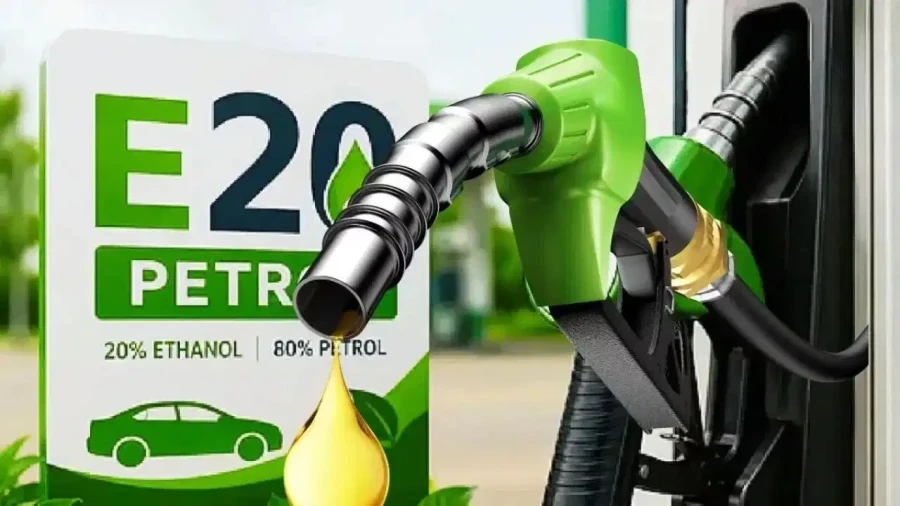
The government has been actively promoting the blending of ethanol in petrol with the primary objective of reducing the country's heavy economic dependence on crude oil imports. The rollout of E20 petrol, consisting of 20 percent ethanol and 80 percent petrol, was introduced in the country quite some time ago. Adding momentum to this initiative, Maruti Suzuki India launched the country's first flex-fuel passenger car, the WagonR, in June of this year, which is capable of running on fuels ranging from E20 up to E100.
Other Automobile Manufacturers Developing Flex-Fuel Vehicles
In addition to Maruti Suzuki, several other major automobile manufacturing companies including Toyota, Tata Motors, and Hyundai are actively developing flex-fuel vehicles tailored for the Indian market. The ministry had previously proposed amendments to vehicle emission norms as well, aimed at expanding the operational scope and acceptance for higher ethanol blended fuels and alternative energy sources across the automotive sector.
Preparations for Biodiesel and Hydrogen CNG Blended Fuels
The proposed and notified changes to the Central Motor Vehicles Rules, 1989, were fundamentally aimed at establishing legal provisions for the commercial and private use of B100 biodiesel and hydrogen-CNG blended fuels alongside E85 and E100. This comprehensive push by the administration underscores a strategic roadmap toward transitioning the national transportation sector toward greener and more sustainable alternative energy solutions.