
- India,
- 19-Jun-2026 05:08 PM IST



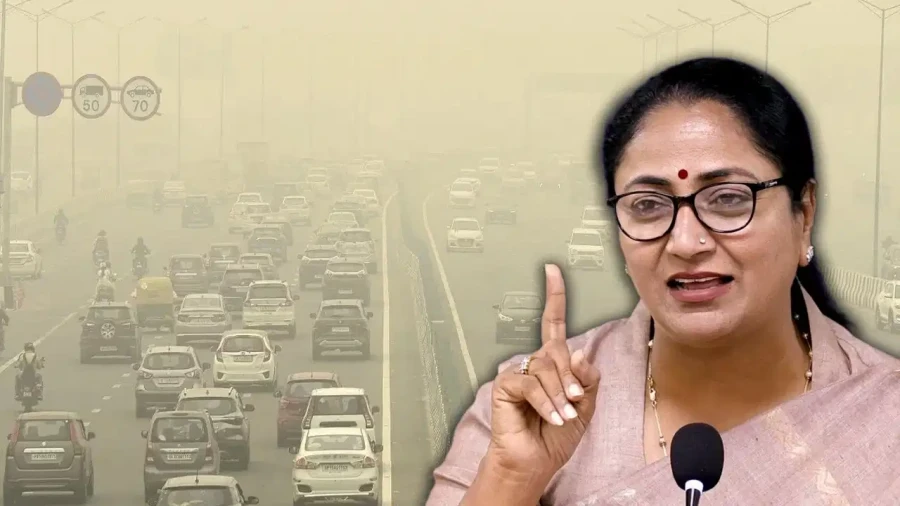
The Delhi government has initiated proactive measures to control the surge in pollution levels that typically plague the national capital during the winter months, while chief Minister Rekha Gupta announced the Winter Air Quality Management Plan on Friday, emphasizing the need for early preparation to avoid the severe smog and toxic air that residents often face. Unlike previous years where restrictions were imposed after pollution levels spiked, the government is now providing advance notice to allow departments and the public sufficient time to prepare for the upcoming regulations.
Strict Restrictions on Commercial Vehicles
A major component of the Delhi Pollution Control Plan 2026 involves stringent regulations on vehicular emissions. From November 1, 2026, to January 31, 2027, commercial vehicles registered outside Delhi that don't meet BS-VI (BS-6) emission standards will be prohibited from entering the capital. This move aims to Notably reduce the influx of high-polluting vehicles during the peak winter period. On top of that, the government has mandated that petrol pumps in Delhi will only provide fuel to vehicles that possess a valid Pollution Under Control Certificate (PUCC). This measure is designed to ensure that only vehicles meeting emission norms are operational on the city's roads.
Doubling of Parking Fees and Traffic Management
To discourage the use of private vehicles and promote public transport, the government has decided to double the parking fees at all authorized parking sites in Delhi. This fee hike will be effective from November 1, 2026, to February 28, 2027. On top of that, the administration is set to implement staggered working hours for both government and private offices. Many employees will also be provided with the Work From Home (WFH) facility. The government believes that these steps will reduce the number of vehicles on the road, thereby easing traffic congestion and lowering emission levels across the city.
Monitoring Construction Activities
Dust pollution from construction sites is another critical area of focus. From November 1 to January 31, all construction agencies must strictly adhere to environmental regulations. The government has identified the period between December 10, 2026, and January 20, 2027, as a high-risk window when pollution levels are expected to be at their peak. During this time, additional restrictions may be placed on certain construction activities, although essential and emergency projects may receive exemptions. Large construction sites are now required to deploy anti-smog guns and mist suppression systems to prevent dust from becoming airborne.
Surveillance Against Open Burning
The practice of burning waste, leaves, and other materials in the open Notably contributes to winter pollution. To tackle this, the government will use drones for surveillance and activate field teams to monitor violations. Chief Minister Rekha Gupta has also appealed to Resident Welfare Associations (RWAs) and various institutions to provide safe heating arrangements for security guards and staff, rather than relying on open fires, while heavy fines will be imposed on those found violating these rules. The Chief Minister stressed that the fight against pollution requires the collective effort of the public, industries, and trade organizations to ensure cleaner air for all residents.