
- India,
- 25-Jul-2026 04:43 PM IST



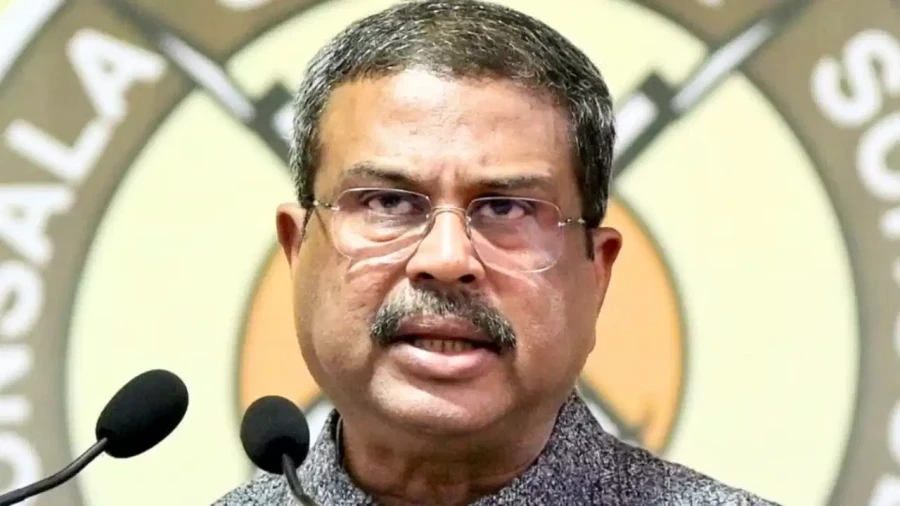
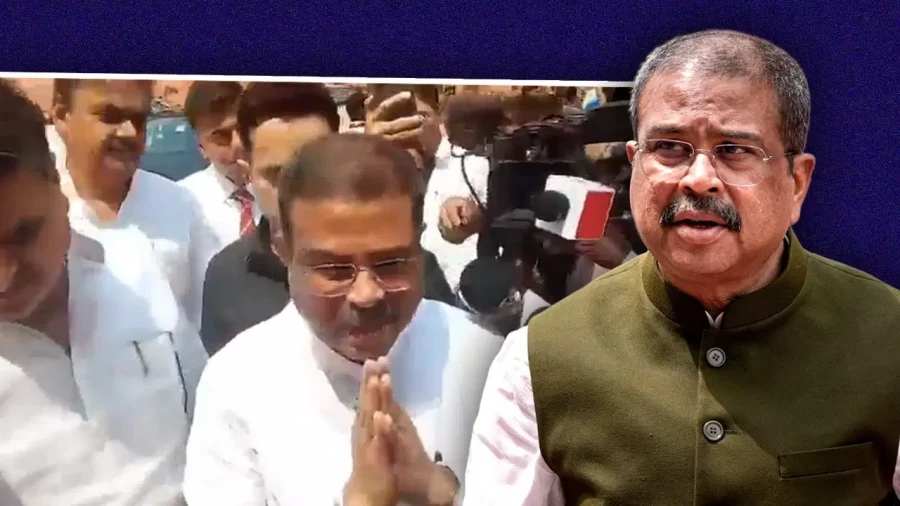
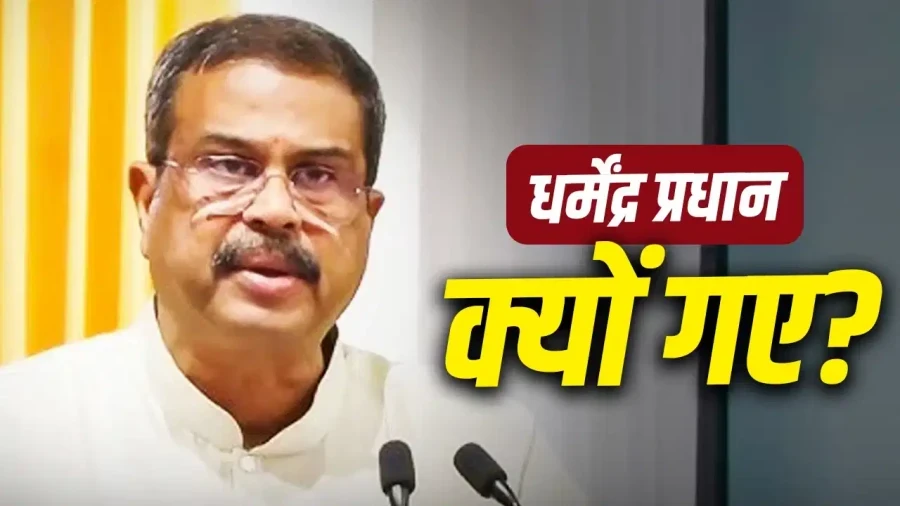
In a significant political development, Union Education Minister Dharmendra Pradhan has officially tendered his resignation following 36 days of relentless student protests. Pradhan announced his decision to step down citing the welfare and future of the students. However, it's widely acknowledged that the persistent demonstrations by the student community eventually compelled him to vacate his office. The resignation comes on the 37th day of the ongoing agitation against the government's handling of educational examinations.
The Context of Resignation
While submitting his resignation, Dharmendra Pradhan expressed concerns over the prevailing situation at Jantar Mantar, stating that it posed a threat to the unity and integrity of the nation, while he further emphasized that his decision was aimed at ensuring that the future of the youth isn't jeopardized and that they don't get entangled in legal complexities. Notably, in the 12 years of the Modi administration, Pradhan has become the first minister to resign under the direct pressure of public protests. This marks a significant shift, as he was previously considered one of the most influential members of the Modi cabinet, having served in various capacities since 2014, including high-profile portfolios like Petroleum and Steel.
Reason 1: Pressure from Students and Opposition
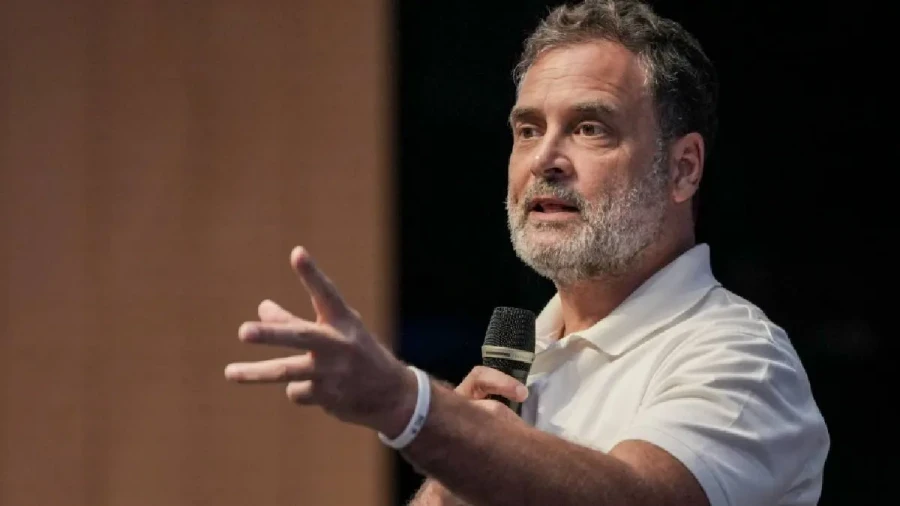
The primary catalyst for the resignation was the unwavering stance of the students and the political opposition. The Cockroach Janta Party (CJP), which was leading the protests at Jantar Mantar, remained firm on the demand for Pradhan's exit. On Friday, representatives from the CJP, Sourav Das and Ashutosh Ranka, met with Union Ministers JP Nadda and Jitendra Singh for negotiations. During this meeting, the student leaders made it clear that the protests would only conclude once Dharmendra Pradhan resigned. Simultaneously, the opposition intensified its attack. Leader of Opposition Rahul Gandhi held a press conference outside 10 Janpath with protesting students, asserting that there would be no compromise on the demand for the Education Minister's resignation and that the protests would continue until the government took action.
Reason 2: Disruptions from Parliament to Streets
The controversy surrounding the NEET paper leak caused massive disruptions both in the legislature and on the streets. Although the parliamentary session commenced on July 20, the proceedings couldn't function smoothly for even a single day over the past 5 days. Both the Rajya Sabha and the Lok Sabha faced repeated adjournments due to the uproar over Dharmendra Pradhan's position. Beyond the capital, public anger was spreading rapidly across the country. Significant unrest was reported in Bihar, particularly in cities like Patna and Siwan, on Saturday. Protests also gained momentum in Maharashtra and Uttar Pradesh. Given that these states are governed by the BJP, the central government was reportedly unwilling to take further political risks.
Reason 3: Failure in Damage Control
The NEET paper leak, which occurred on May 3, proved to be a crisis that Dharmendra Pradhan couldn't effectively manage. Initially, the government attempted to ignore the protests, but as the situation escalated, Prime Minister Narendra Modi had to intervene personally. The Prime Minister announced the implementation of strict laws and even released a video message appealing to the students. Throughout this period of turmoil, Pradhan remained largely silent and disconnected from the student community, a failure in communication that ultimately cost him his ministerial post.
Reason 4: Stubborn Attitude and Disconnect
Pradhan's resignation is being attributed to his perceived stubbornness and lack of engagement with the stakeholders. Unlike other ministers who have successfully navigated crises through dialogue, Pradhan didn't initiate any conversation with the student leaders following the paper leak, while this approach was contrasted with that of Union Agriculture Minister Shivraj Singh Chouhan, who, during the farmer protests in Chandigarh in February 2025, personally led a team to negotiate and resolve the dispute through active discussion. Pradhan's inability to bridge the gap with the youth led to his isolation within the cabinet.
Reason 5: Allegations of Negligence
The recurring nature of examination scandals also played a role in his downfall. A similar NEET paper leak had occurred in 2024 during Pradhan's tenure. At that time, the government had acknowledged the leak and formed a committee under the chairmanship of ISRO scientist Radhakrishnan to suggest preventive measures. Although the Radhakrishnan Committee submitted its recommendations to stop paper leaks, they weren't fully implemented. Also, the blame for the negligence of the National Testing Agency (NTA) was placed squarely on the Education Minister, making his continued presence in the ministry untenable.