
- India,
- 18-Aug-2026 08:46 AM IST



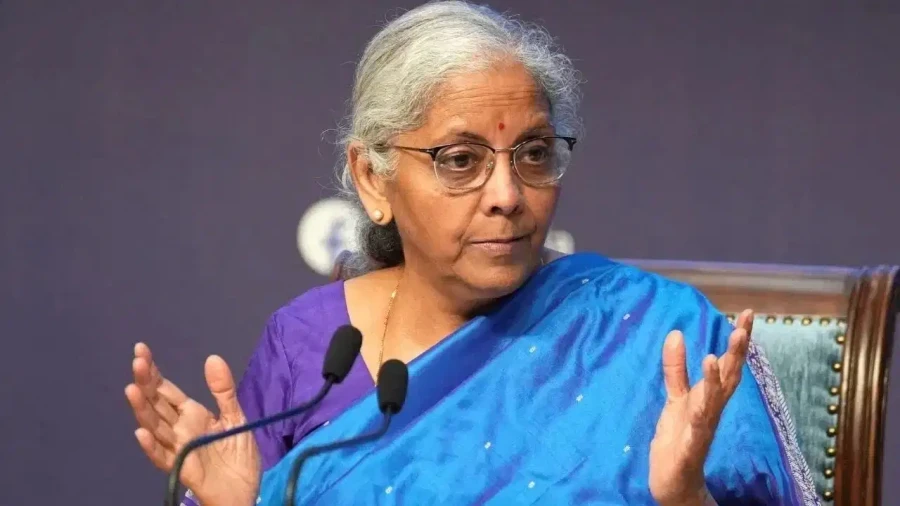
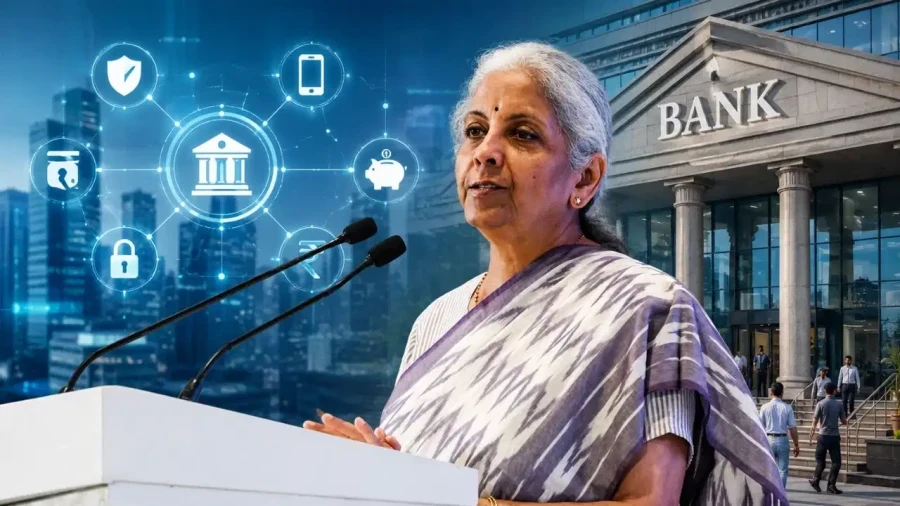
The Government of India is preparing to implement significant changes in the banking sector to transform India into a developed nation by 2047. To achieve this ambitious goal, a new high-powered committee will be established to oversee and guide these reforms. Union Finance Minister Nirmala Sitharaman shared this crucial information on the first day of the two-day PSB Confluence 2026 held in New Delhi. The primary objective of this move is to make the country's banking sector completely modern, fast, and customer-friendly, ensuring it serves as the backbone of the national economy.
Strengthening the Financial Foundation
During the conference, the Finance Minister highlighted that the banking sector is currently in a very strong financial position. A key indicator of this strength is that the Non-Performing Assets (NPAs) of banks are at an all-time historic low. This financial stability provides a solid platform for the government to introduce the next phase of large-scale reforms. The banks are now well-equipped to support the country's economic growth and implement new policies without the burden of excessive bad loans.
Focus on the Youth and MY Bharat Platform
A significant portion of the reform strategy focuses on the younger generation. Approximately 29 percent of India's total population consists of youth aged between 15 and 29 years. To cater to their aspirations, the banking sector is being redesigned to align with the needs of the new generation. The government plans to integrate banking services with the 'Mera Yuva Bharat' (MY Bharat) platform, which is a national initiative under the Ministry of Youth Affairs. Currently, more than 2 crore 60 lakh youth are registered on this platform. This vast network will be utilized to create awareness about education loans, internships, self-employment financing, and career opportunities within the financial sector, thereby bringing more young people into the formal banking system.
Boosting Customer Deposits and Global Competitiveness
Another major focus of the banking reforms is to increase the deposit base by strengthening the relationship between banks and the general public. The conference saw detailed discussions on strategies to enhance customer engagement, encouraging more people to save and deposit their money in banks. Plus, there is a strategic plan to enable public sector banks to capitalize on the rapidly growing market of Global Capability Centers (GCCs). By enhancing their capabilities, these banks can play a more significant role in the global financial landscape and accelerate the investment cycle within the country.
Reimagining Credit Cards and Agricultural Lending
The second day of the PSB Confluence 2026 is set to address several other critical issues that will directly impact the common man. One of the key agendas is to completely reimagine the credit card business model to make it more efficient and accessible. On top of that, the government is looking into simplifying the loan process for infrastructure development in the agriculture and horticulture sectors. A clear roadmap will be prepared to ensure that Priority Sector Lending (PSL) reaches the intended beneficiaries on time and without any hurdles. Sanjay Lohia, Secretary of the Department of Financial Services (DFS), emphasized that these discussions will be translated into concrete actions on the ground, allowing banks to learn from each other's successful experiences and drive India's economic progress.