
- India,
- 20-Sep-2026 08:43 AM IST



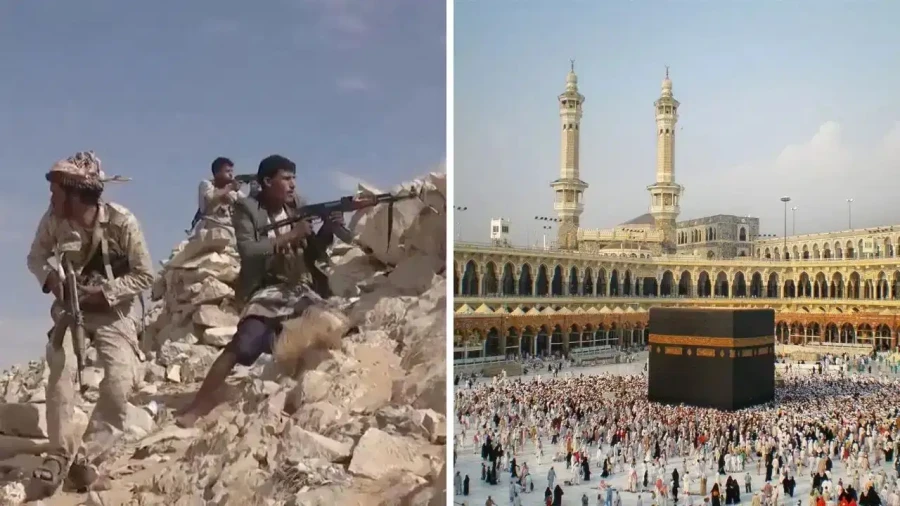
The geopolitical landscape of the Middle East is undergoing a seismic shift as the Houthi rebels' strategic maneuvers force a re-evaluation of long-standing alliances. At first glance, a Houthi fighter might be mistaken for an ordinary laborer—thin-framed, wearing simple slippers, a lungi-like wrap, and a worn-out shirt. However, when these fighters take up rifles and shoulder rocket launchers, even a superpower like the United States feels the pressure. This paradox is currently defining the power struggle in the Arabian Peninsula, where the Houthis have managed to challenge the traditional dominance of regional giants.
The Economic Siege of Saudi Arabia
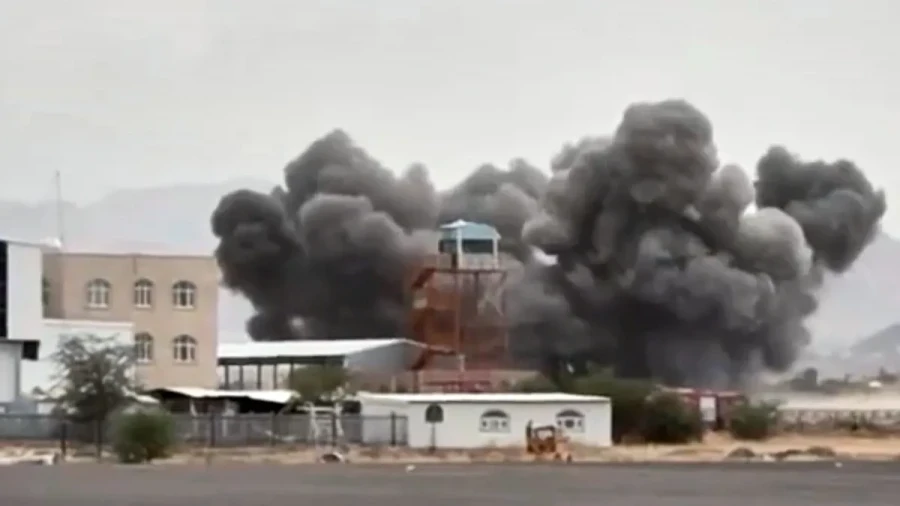
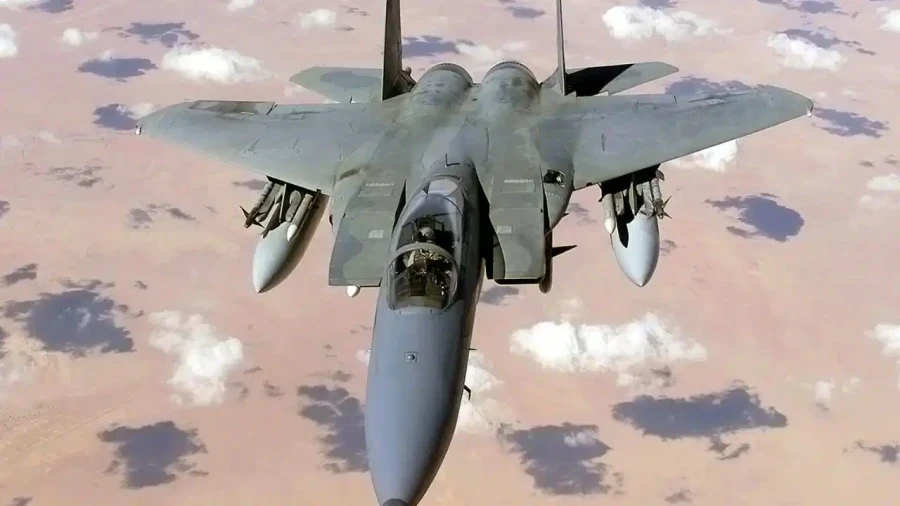
Saudi Arabia, once the undisputed 'Sultan of Oil,' is finding its maritime lifelines severed. The Houthi offensive has effectively crippled the Kingdom's ability to transport its primary resource. With Iran closing the Strait of Hormuz and the Houthis maintaining a strict vigil over the Bab al-Mandab strait, the traditional sea routes are no longer viable. Plus, the East-West pipeline remains non-functional, leaving Saudi Arabia surrounded. The Houthis are launching missile strikes from above, while the Kingdom looks toward its long-time ally, the United States, for protection. However, Washington's silence has become deafening, raising questions about whether the US is choosing to stay quiet or has been forced into silence by the changing dynamics of modern warfare.
Red Alert in the Holy City of Mecca
The tension reached a boiling point when the peace of Mecca, the holiest city in Islam, was shattered by air raid sirens. As the evening call to prayer concluded, the sound of sirens echoed through the streets, creating a wave of panic among residents and pilgrims. The cause of this alarm was a fleet of Houthi drones launched from Yemen. While the Saudi Air Defense systems successfully intercepted and destroyed these drones at the city's borders, the psychological impact was profound, while for the first time in history, Mecca breathed under the shadow of a Red Alert. While the Houthis have dismissed the reports of an attack on Mecca as a fabricated narrative by the Saudi administration, the incident has heightened the sense of vulnerability in Jeddah and Taif, which were also reportedly on the target list.
The Collapse of the 80 Year Old Alliance
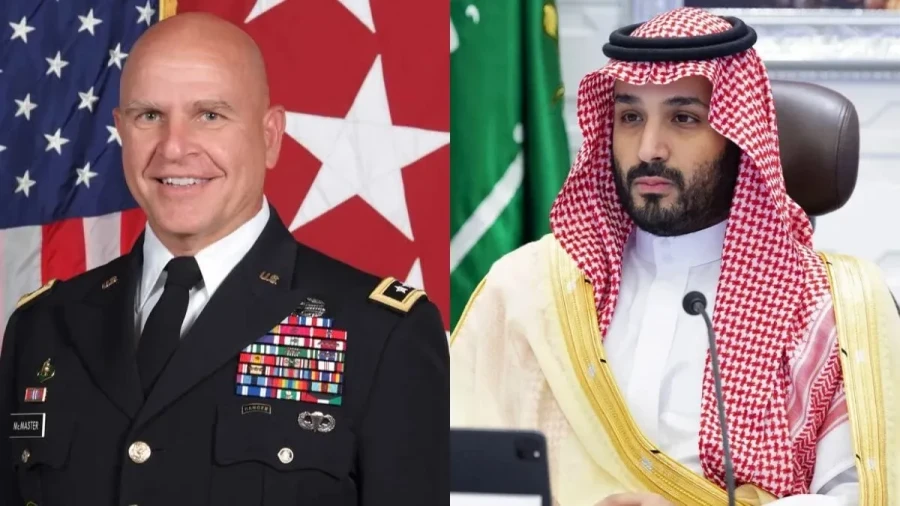
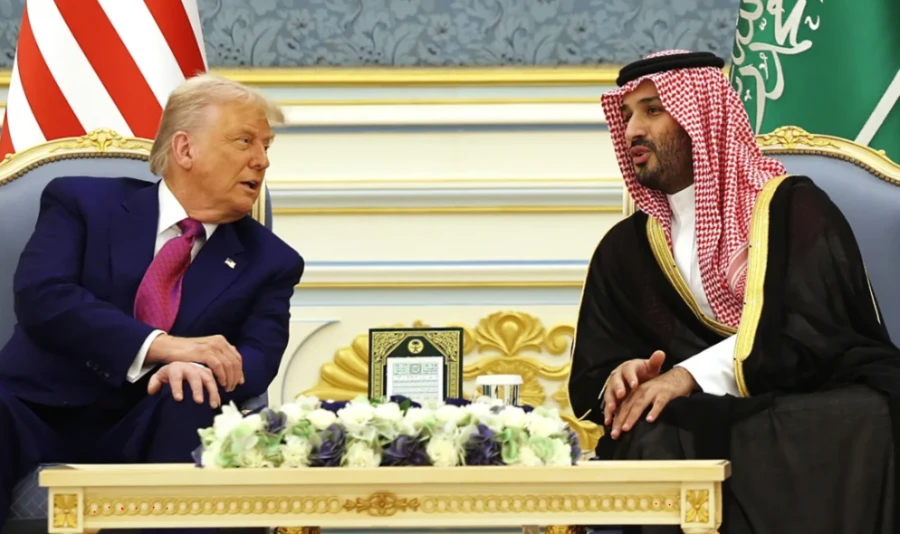
The current crisis marks a significant departure from the historic alliance forged on February 14, 1945. On that day, aboard the USS Quincy in the Great Bitter Lake of the Suez Canal, US President Franklin D. Roosevelt and Saudi founder King Abdulaziz established a foundation of friendship. The deal was simple: the US would provide security and financial stability, and in exchange, Saudi Arabia would ensure a steady supply of oil. This partnership lasted for 80 years, but today, as Saudi Arabia faces its greatest crisis with oil trade nearly halted, the US appears reluctant to intervene. On a recent Monday, Saudi Crown Prince Mohammed bin Salman met with Admiral Brad Cooper, head of the US Central Command, to seek security assistance. The request was met with a refusal, as the US signaled it wouldn't engage in new conflicts with Iran or its proxies.
The Secret Diplomacy and Religious Deterrence
Reports suggest that a Houthi delegation recently met with US officials, providing assurances that their military operations are strictly limited to Saudi Arabia and don't target US naval or commercial vessels. Following this, Washington decided against launching fresh direct strikes on Houthi positions. Beyond strategic interests, there is a deeper religious factor deterring the US. The Houthis belong to the Zaydi Shia community and claim lineage from the grandsons of Prophet Muhammad, Hasan and Husayn. The US fears that a direct military confrontation with the Houthis could mobilize the global Shia population, creating a religious conflict that would be impossible to contain. Abdul Malik al-Houthi, the Houthi chief, has issued a clear warning: if the Saudi military attacks, they will strike Riyadh; if ports are targeted, they will destroy Saudi ports. For now, Washington's priority has shifted to protecting its own assets rather than acting as a shield for Saudi Arabia's regional wars.