
- India,
- 19-Sep-2026 08:15 AM IST



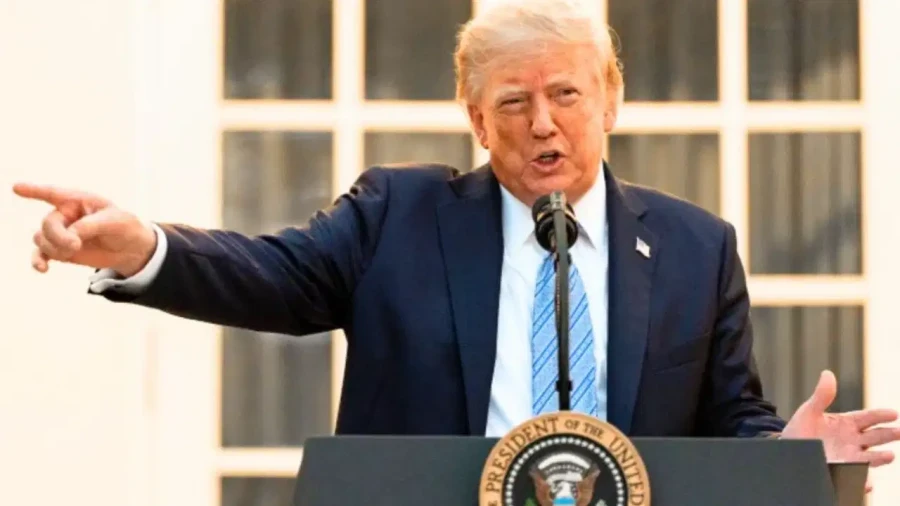
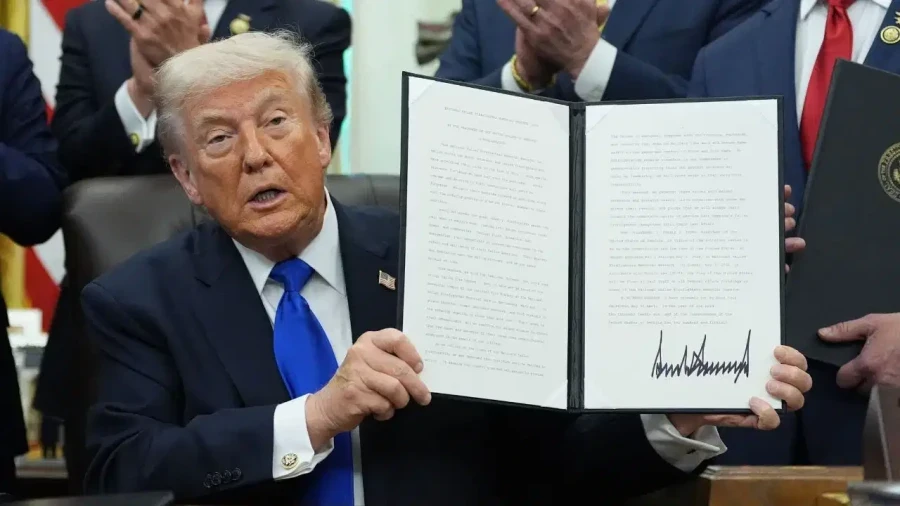
United States President Donald Trump has officially signed the Sanctioning Russia and Iran Act of 2026 into law, marking a significant escalation in American foreign policy and trade strategy. R, while 5334 and also known as the Lindsey O. Graham Sanctioning Russia and Iran Act of 2026, was signed at the White House on September 18, 2026. The new law is designed to Notably tighten the economic noose around Russia and Iran by expanding existing sanctions and introducing aggressive new trade barriers, while one of the most striking features of this act is the provision that allows for the imposition of up to 100 percent tariffs on countries that continue to purchase significant quantities of oil and gas from Russia. This development has sent ripples through global markets, particularly affecting major energy consumers like India and China.
The 100 Percent Tariff Provision and Its Scope
The core of the new legislation lies in its ability to penalize nations that provide a financial lifeline to the Russian economy through energy imports, while under the terms of the act, the President of the United States is granted the authority to impose tariffs of up to 100 percent on goods imported from countries that are identified as the top five buyers of Russian crude oil or natural gas. This determination is based on the total volume of imports over the 12-month period preceding the enactment of the law. By targeting the largest purchasers, the United States aims to force a drastic reduction in Russia's energy revenue, which is a primary source of funding for its state operations and military endeavors. The law is set to become effective within 30 days of the President's signature, creating a narrow window for affected nations to adjust their trade policies.
Impact on India and China
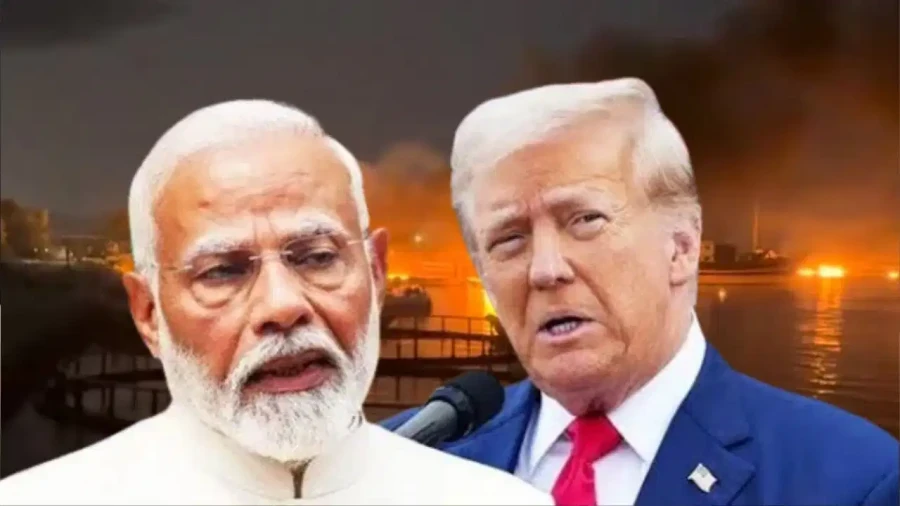
The signing of this act places significant pressure on India and China, both of which have been major buyers of Russian energy. Currently, the United States imposes an 18 percent tariff on India and a 34 percent tariff on China. The new law provides a legal pathway to increase these rates up to 100 percent, which could have devastating effects on the trade balance and economic stability of these nations. As top-tier buyers of Russian crude oil and natural gas, both countries fall directly under the scrutiny of this legislation. The act gives President Trump substantial discretionary power to decide which specific countries will face these increased tariffs, the exact rates to be applied, and whether any waivers or exemptions should be granted based on diplomatic or economic considerations.
Legislative Journey and Political Context
The Sanctioning Russia and Iran Act of 2026 reached the President's desk after a narrow victory in the US House of Representatives. The bill was passed just three days prior to the signing, with a vote of 214-211. This close margin reflects the intense debate within the American legislature regarding the potential global economic consequences of such aggressive trade measures. The legislation specifically targets the Russian leadership and its vital energy sector, which is considered the backbone of the Kremlin's financial power. Also, the act extends its reach to the defense industry and any entities that assist Moscow in bypassing international restrictions.
Targeting the Shadow Fleet and Defense Industry
A significant portion of the new law is dedicated to dismantling the so-called shadow fleet that Russia uses to transport its energy products and evade sanctions, while the legislation provides for strict actions against foreign individuals and entities involved in Russian energy production or those helping to circumvent existing sanctions. This includes a wide range of actors such as ship owners, operators, managers, and insurers. By targeting the logistical and financial infrastructure that supports Russian energy exports, the United States hopes to create a comprehensive barrier that makes it increasingly difficult and expensive for Russia to bring its oil and gas to the global market.
Criteria for Exemptions and Waivers
While the law is stringent, it does include specific criteria under which a country might receive an exemption from the heavy tariffs, while for a nation importing Russian gas to be eligible for a waiver, its imports must account for less than 15 percent of Russia's total gas exports during the relevant period. Also, the country must demonstrate that it has taken significant and measurable steps to reduce its overall dependence on Russian gas, while these provisions are intended to encourage nations to diversify their energy sources and move away from Russian supplies. However, the final decision on these exemptions rests with the President, who will evaluate each case based on the strategic interests of the United States and the cooperation of the importing nation.