
- India,
- 17-Sep-2026 08:34 AM IST



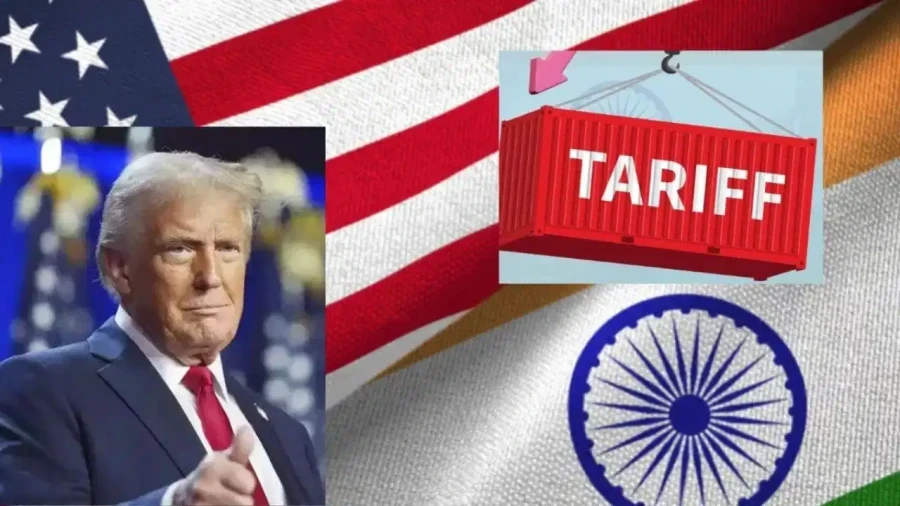
The United States House of Representatives has officially passed a significant legislative measure titled the Lindsey O, while graham Sanctioning Russia and Iran Act of 2026. This bill, which has already cleared the Senate, now moves to the desk of President Donald Trump for his final signature, while the core of this legislation provides the President with the authority to impose import tariffs of up to 100 percent on the top five countries that continue to purchase oil and gas from Russia. This development places India, one of the primary importers of Russian energy, directly within the potential scope of these heavy economic sanctions.
Voting Results and Legislative Journey
The passage of the bill in the House of Representatives saw a decisive vote with 262 members in favor and 159 members opposing the measure. This follows the earlier approval by the Senate, the upper house of the US Congress. The legislative journey of this act reached a critical juncture on Wednesday when the lower house finalized its decision. The bill specifically targets the economic lifelines of Russia and Iran, aiming to curb the financial resources available to these nations through their energy exports. Apart from India, other nations that could fall under the purview of this 100 percent tariff include China, Slovakia, Hungary, and Azerbaijan.
Political Maneuvering and Procedural Hurdles
The passage of this bill was initially considered difficult due to political friction. Until just a week ago, there was a significant dispute between the ruling Republican Party and the Democratic Party regarding granting President Trump expanded tariff powers ahead of the November elections. However, the situation changed rapidly this week when Republican lawmakers suddenly brought the bill to a vote. On Monday, the House Rules Committee removed the procedural obstacles that were blocking the bill, allowing it to move forward with ease. On Tuesday, the House made a narrow decision with a vote of 214-211 to hold the final vote on Wednesday. During this procedural step, two Democratic lawmakers broke party lines to vote alongside the Republicans.
Discretionary Power of the President
It's important to note that the Lindsey O. Graham Sanctioning Russia and Iran Act of 2026 doesn't mandate the President to impose these tariffs. Instead, it grants President Trump the discretionary authority to do so if he deems it necessary. This means that while the bill empowers him to levy up to 100 percent tariffs on countries like India and China for their Russian oil and gas purchases, it doesn't force his hand. Also, the bill includes exemptions for several European allies who have already Importantly reduced their energy imports from Russia.
Strategic Objectives and Official Statements
The United States maintains the position that Russia's crude oil trade is a primary source of funding for its ongoing war against Ukraine. By targeting the top five importers by volume, the US aims to disrupt this financial flow, while senator Jeanne Shaheen, who played a major role in supporting the bill, stated that Congress has sent a clear message to Russian President Putin that the United States is taking a tough stance against him. Despite the legislative success, the exact stance of the Trump White House remains somewhat ambiguous. Last month, US Ambassador Sergio Gor suggested that Trump wasn't a strong supporter of the bill, even as lawmakers sought to give him more tariff authority. However, recent media reports indicate that the White House may have assisted in advancing the bill by persuading some opposition Democratic lawmakers to vote in its favor. While the Senate version passed on 7 August didn't explicitly name the trading partners, it referred to the five largest importers of oil and gas by volume, making the timeline and extent of any potential tariffs on India currently unclear.