
- India,
- 17-Sep-2026 08:23 AM IST



The United States Federal Reserve has taken a significant step in its monetary policy by announcing an increase in interest rates for the first time since 2023. This decision, which involves a 25 basis point hike, comes as a response to the persistent inflationary pressures that have been gripping the American economy. The Federal Open Market Committee (FOMC) concluded its two-day intensive meeting with this announcement, signaling a shift from the status quo that had been maintained since the beginning of this year. This move is seen as a critical pivot for the economy, especially considering that there had been no changes to the interest rates since January of this year. For months, the central bank had been in a state of observation, carefully assessing the various factors that could influence economic stability, including the impact of expensive crude oil and the implementation of new tariff regulations.
The New Interest Rate Environment
00 percent. This decision wasn't made in isolation but follows a period of careful deliberation by the Federal Open Market Committee. The central bank had been monitoring the effects of global economic shifts, including the rising costs of energy and the potential disruptions caused by new trade policies. By raising the rates by 25 basis points, the Fed is attempting to strike a balance between cooling down an overheating economy and ensuring that growth doesn't stall entirely. This is the first time since the aggressive hiking cycle of 2023 that the central bank has felt the need to tighten the monetary supply further.
Inflation as the Primary Driver
The primary motivation behind this sudden yet calculated move is the stubborn rate of inflation, while 4 percent in August. While this figure was consistent with the previous month's data, it remains Notably higher than the Federal Reserve's long-term target of 2 percent. The central bank has been clear that its mandate is to bring inflation back down to this target level to ensure long-term economic health. Several factors have contributed to the persistence of high prices. Tensions in the Middle East have led to a surge in global energy prices, which in turn has kept the cost of goods and services high. On top of that, the recent boom in Artificial Intelligence has driven up market demand, further complicating the inflation landscape. Even during the July meeting, some members of the committee had already begun advocating for a rate hike, and the latest economic indicators have now provided the necessary justification for this action.
Kevin Warsh's First Major Test
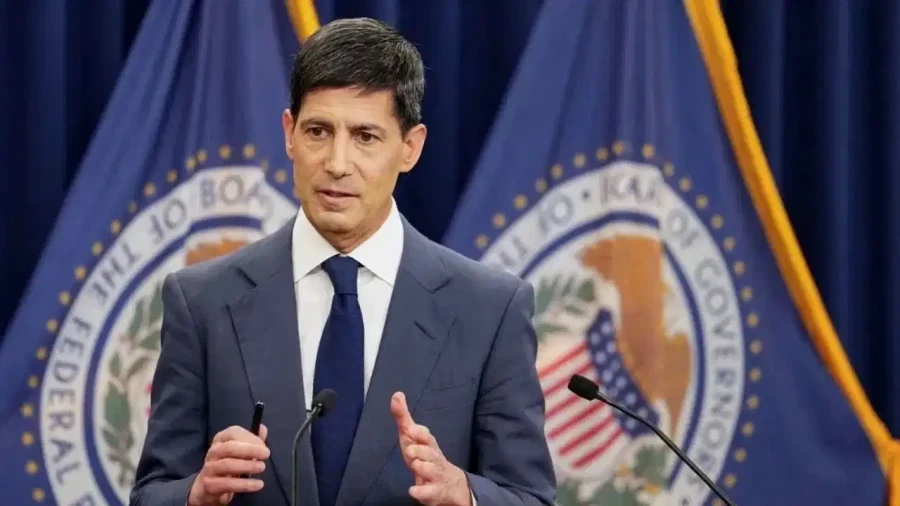
This rate hike also represents a significant moment for the new Federal Reserve Chairman, Kevin Warsh. Having taken the helm of the central bank earlier this year, this decision is being viewed as his first major test in the role. Previously, Warsh had been somewhat ambiguous about his stance on interest rate trajectories, providing no clear signals to the markets. However, he had maintained that if inflation didn't show signs of cooling, he wouldn't hesitate to take firm action. By overseeing this 25 basis point increase, Warsh has demonstrated his commitment to his earlier statements, proving that he's willing to prioritize price stability even if it means making difficult and potentially unpopular decisions.
Political Implications and Trump's Expectations
The decision to raise rates is likely to cause ripples in the American political landscape, particularly as it stands in direct opposition to the preferences of President Donald Trump. The President had appointed Kevin Warsh with the expectation that he would favor lower interest rates to keep borrowing costs cheap and stimulate economic growth, while trump has been a vocal advocate for a more accommodative monetary policy, believing that lower rates are essential for the country's economic expansion. 4 percent inflation rate, left the central bank with little choice but to act. This move highlights the independence of the Federal Reserve, as it prioritizes its economic mandate over political expectations, even those of the administration that appointed its leadership.