
- India,
- 15-Sep-2026 05:42 PM IST



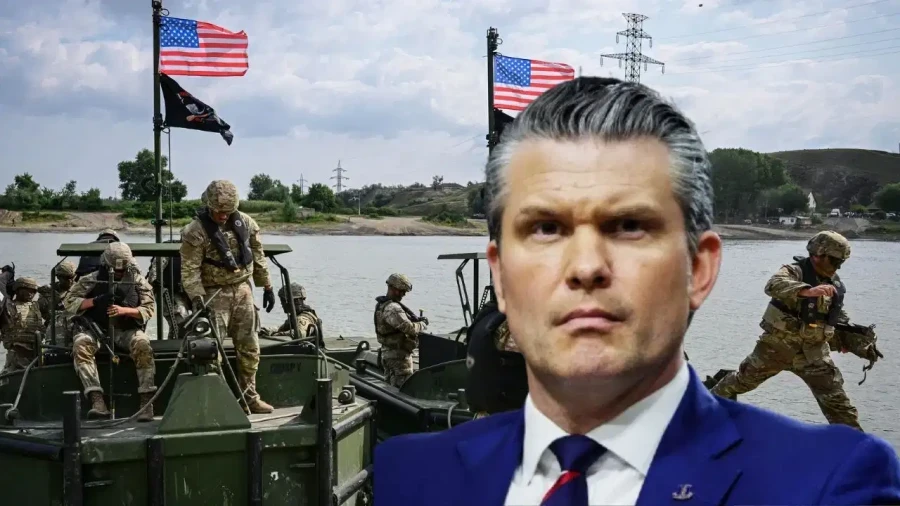
In a dramatic revelation that highlights the extreme risks of modern aerial combat, details have emerged regarding a high-stakes rescue mission conducted by the United States military deep within Iranian territory. The operation, which took place in April 2026, involved the recovery of an American pilot who remained hidden in enemy territory for approximately 50 hours following the crash of an F-15E Strike Eagle fighter jet. The mission, characterized by intense danger and complex logistics, saw the deployment of 2 helicopters, 21 aircraft, and over 90 special operators. A video documenting this harrowing ordeal has been released four months after the incident, providing a rare glimpse into the survival struggle of the crew.
The F-15E Crash and Initial Separation
The incident began during a mission over Iran in April 2026, when a US F-15E Strike Eagle was targeted and struck by a missile. The aircraft, carrying two crew members identified by their call signs Alpha and Bravo, crashed within Iranian borders. Both crew members managed to eject from the failing jet, but the chaotic nature of the ejection meant they landed in separate, distant locations. This separation immediately complicated any potential rescue efforts, as the US military now had two distinct targets to locate and extract from a hostile environment. While Alpha was located relatively quickly, Bravo's situation became a prolonged struggle for survival against both physical injury and enemy pursuit.
The Rapid Rescue of Alpha
The US military launched an immediate and massive rescue operation to recover the downed crew. For Alpha, the rescue was swift but not without peril. Within 6 hours of the crash, a team involving 21 aircraft, including 2 helicopters, and 90 soldiers managed to locate and extract him. During this phase of the operation, US helicopters reportedly came under fire from Iranian forces, but the team successfully navigated the threat to bring Alpha to safety. However, the mission was far from over, as Bravo remained missing in a region crawling with enemy search parties.
Bravo's 50 Hour Ordeal and Severe Injuries
The details of Bravo's survival were shared during an interview on the CBS News program 60 Minutes. Bravo described the moment of ejection and the subsequent impact as devastating. Due to a parachute malfunction where he landed directly on the ground, he suffered multiple severe injuries, including fractures to his spine, arm, and shoulder, while he also sustained significant injuries to his head and face. Despite these debilitating conditions, Bravo realized that staying near the crash site would lead to certain capture. He began a grueling journey toward higher ground to evade Iranian forces and armed groups searching for him.
Survival at 7000 Feet
Bravo managed to reach a ridge at an altitude of approximately 7,000 feet. From this vantage point, he attempted to establish contact with US forces while carefully concealing his location. According to US officials, Iranian search teams came within a few hundred meters of his position on several occasions. After hours of hiding and moving despite his fractures, Bravo finally made contact with the American team. He reported his injuries and his continued movement, while " Following this contact, the CIA assisted in pinpointing his exact coordinates to facilitate a rescue attempt.
A Historic Ground Operation in Iran
To extract Bravo, the US military authorized a ground entry into Iran, involving more than 90 special operators. This move was historically significant as it marked the first time since 1980 that US troops were known to have set foot on Iranian soil for a combat mission. The 1980 mission, known as Operation Eagle Claw, was an attempt to rescue American hostages that ended in failure. In contrast, the 2026 mission was a success. To ensure the safety of the rescue team, US agencies employed deception tactics to mislead the Iranian military, while US aircraft and drones conducted strikes on Iranian forces in the area to clear a path for the extraction team.
Mission Completion and Technology Protection
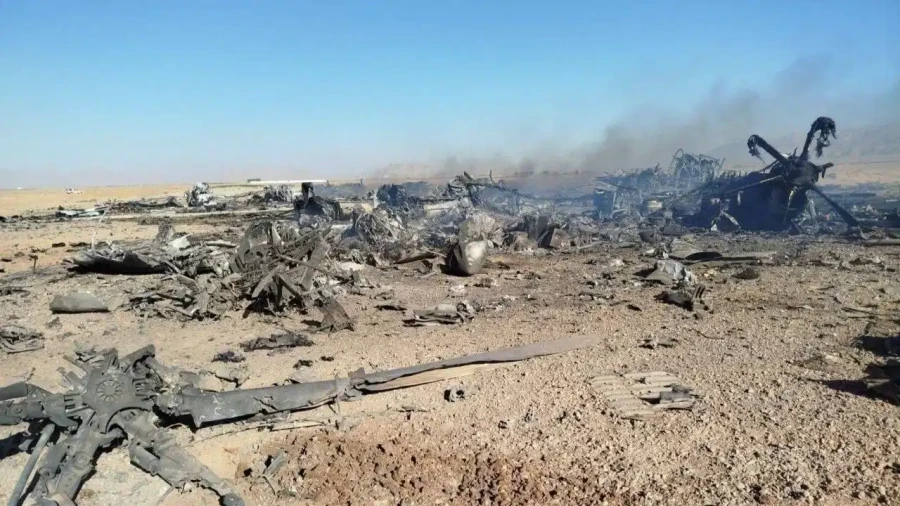
After 50 hours of being stranded and injured in enemy territory, Bravo was successfully rescued by the special operations team and moved to a secure location. However, the mission faced one final hurdle, while the aircraft used in the rescue became stranded within Iran. While all personnel were safely evacuated, the US military took the strategic decision to destroy the aircraft on-site. This was done to prevent sensitive military technology from falling into the hands of the Iranian government. The release of the mission video four months later serves as a testament to the coordination and bravery involved in this complex recovery operation.