
- India,
- 14-Sep-2026 12:54 PM IST



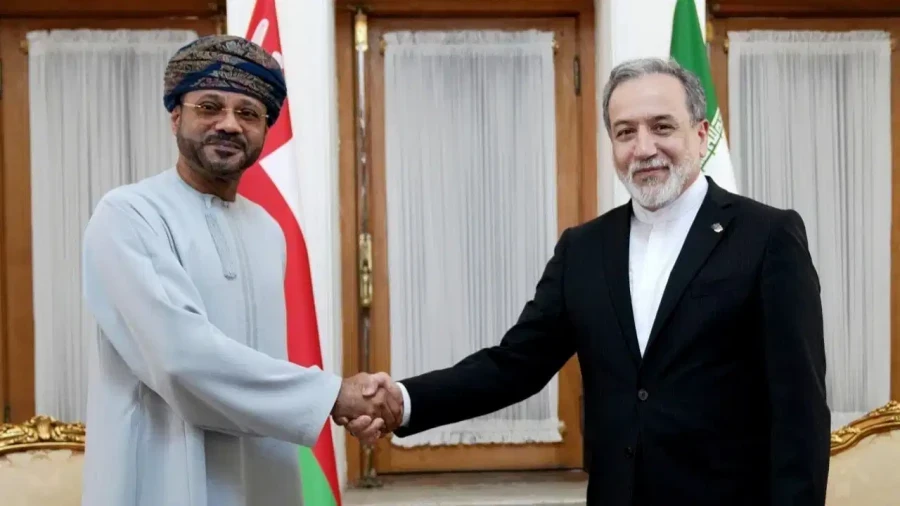
The scheduled meeting between Iran and Oman to discuss a new shipping route through the strategic Strait of Hormuz was postponed on Sunday. This decision follows a significant security incident involving an attack on an Iranian cargo vessel near Qeshm Island. The meeting was intended to include other Gulf nations to discuss maritime cooperation and the implementation of a newly proposed transit path. However, following the escalation of tensions due to the attack, a new date for the discussions has not yet been finalized, while an official from the Iranian Foreign Ministry stated that the decision to postpone the talks was made jointly by Tehran and Muscat following requests from several regional countries. Iran is expected to coordinate with Oman to determine a future schedule for these negotiations.
Details of the Attack on the Iranian Vessel
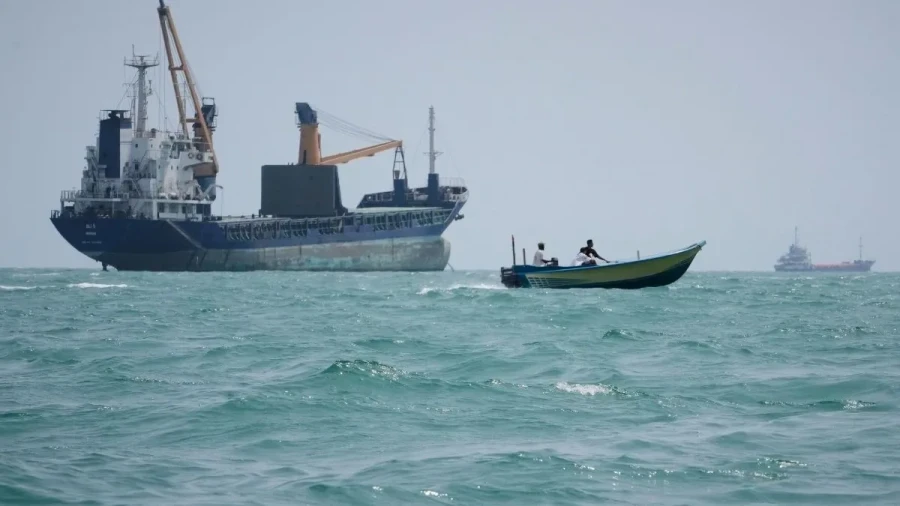
The postponement was triggered by an attack on an Iranian commercial ship on Sunday morning near the Strait of Hormuz. According to Iranian state media reports, the incident resulted in the death of 1 individual and left 4 other crew members injured. The United Kingdom Maritime Trade Operations (UKMTO) also corroborated reports of an incident in the region, stating that a vessel passing through the Strait of Hormuz was struck by a projectile. The impact caused a fire on board, leading to the evacuation of the crew. While the UKMTO reported these details, it remains officially unconfirmed whether the incident they described is the exact same one reported by the Iranian authorities, although the timing and location align closely.
The Proposed New Shipping Route
Prior to the postponement, Iran and Oman had reached a preliminary agreement on a new shipping route for vessels entering and exiting the Strait of Hormuz. According to the Tasnim News Agency, the proposed plan involves an inbound route that would pass entirely through Iranian territorial waters. The outbound route, conversely, would use the territorial waters of both Iran and Oman, while this plan was supposed to be presented to other Gulf nations during the now-postponed meeting. Despite this agreement, Iranian officials have clarified that this doesn't signify the full reopening of the Strait of Hormuz. Iran has laid out 7 specific conditions that must be satisfied before the strait is fully opened for regular international maritime traffic.
Iran's Stance and Regional Concerns
Iranian officials have emphasized that the operation of ships through the strait will be governed by the agreement with Oman. Under this framework, ships entering the Persian Gulf would navigate through Iranian waters, while those exiting would use a shared path. Iran is also considering the imposition of transit fees for vessels using this route. Foreign Minister Abbas Araghchi has maintained a firm stance, declaring that Iran won't open the Strait of Hormuz until the United States fulfills its demands. Currently, commercial traffic through this vital maritime corridor remains Notably reduced. The proposed changes have drawn mixed reactions from the region. While Iraq had confirmed its participation in the meeting, Bahrain declined due to a lack of diplomatic ties with Iran. Saudi Arabia has also expressed reservations, seeking modifications to the Iran-Oman agreement. A Gulf official noted that Riyadh is concerned about the long-term implications of this bilateral agreement on the Strait of Hormuz and the broader Gulf Cooperation Council (GCC) nations.
International Reaction and Trump's Statement
S, while president Donald Trump has commented on the situation, suggesting that Iran is eager to reach a settlement. Trump claimed that Iranian officials have been making frequent contact via telephone. He expressed optimism that the conflict involving Iran could reach a resolution within this year. When questioned about whether the United States was involved in the attack on the Iranian vessel, Trump declined to provide a definitive answer, stating that he didn't wish to comment on that specific matter. The situation remains fluid as regional powers monitor the security environment in one of the world's most critical oil transit points.