
- India,
- 01-Nov-2026 04:47 PM IST



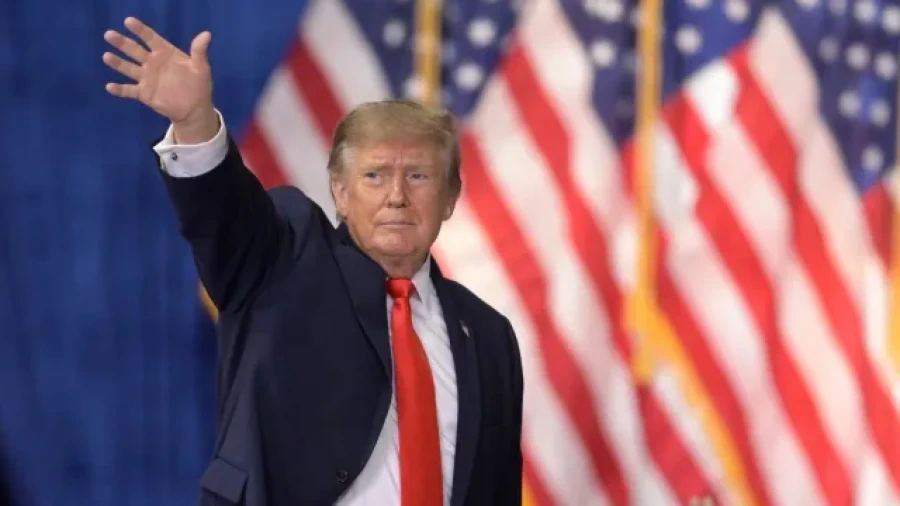
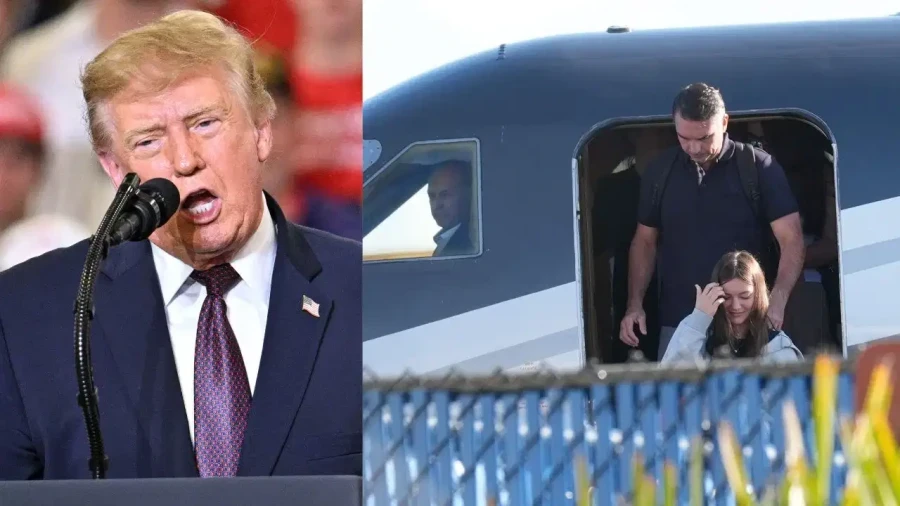
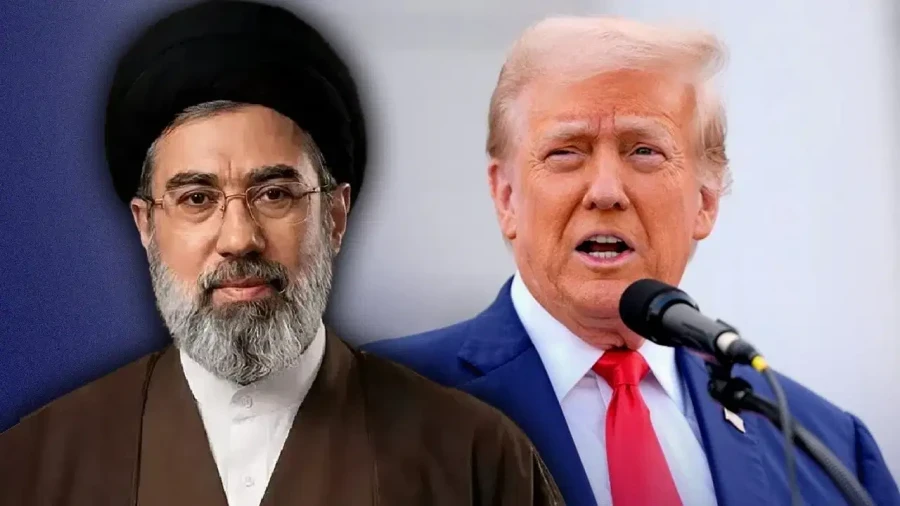
US President Donald Trump has once again made a major and aggressive statement regarding Iran. Trump has claimed that the United States has already destroyed Iran nuclear sites and that the one or two nuclear facilities that Iran still has left could be targeted entirely within just ten minutes. This latest statement from the US President came during an informal conversation with journalists while attending a Halloween party held at his Mar-a-Lago estate in Florida. Speaking firmly with reporters, Trump stated that they've destroyed their nuclear sites and that there are still one or two sites left that they need to look at, but they can do that in ten minutes. This aggressive remark from Trump comes at a time when, on the other side, Iran Supreme Leader Mojtaba Khamenei has issued a very stern warning to the US, stating that any future threats of any kind will be responded to immediately by Iran and that Iranian retaliation won't be limited to any geographical boundary, potentially expanding its scope Importantly.
Mojtaba Khamenei Direct And Blunt Warning To The US
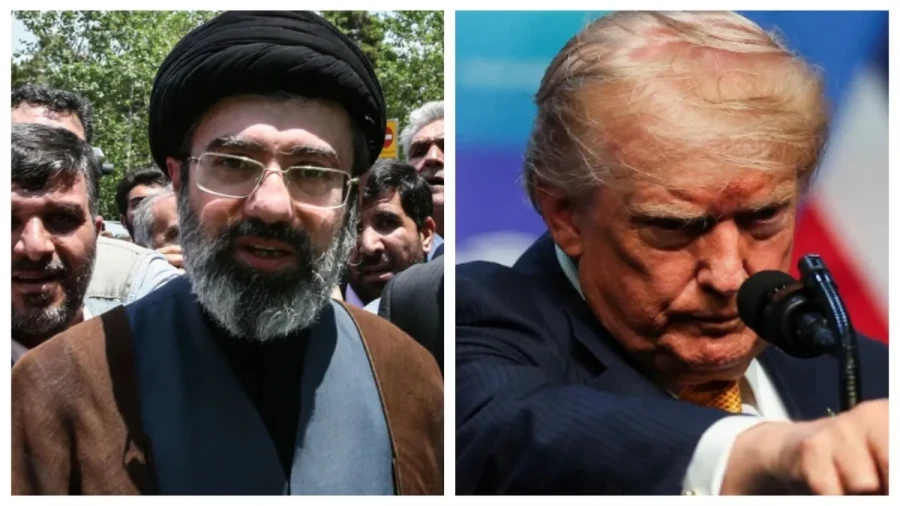
Iran Supreme Leader Mojtaba Khamenei has reportedly stated in clear terms during a high-level meeting with military officials that any threat originating from the US at any level will be met with an immediate and crushing response. According to information received from Iranian state media, Mojtaba Khamenei has also issued strict directives to prepare a fresh list of potential US and Israeli targets. It's worth noting that Mojtaba Khamenei has not been seen publicly since the war broke out in the month of February this year, but this strong reaction and directive from behind the scenes are enough to create a stir in international politics. Following this statement, tensions in West Asia have once again reached their peak, where both nations continue to rattle their military might at each other, and any untoward incident can't be ruled out.
Trump Peculiar And Flat Response On War With Iran
When US President Donald Trump was asked the direct question of whether the United States could restart a war against Iran this very week, Trump dismissed the question as completely foolish. Responding to the media queries with a sarcastic tone, he said that suppose he did that, would he tell them about it in advance? During this conversation, Trump reiterated his previous stance that Iran will never be able to possess nuclear weapons in the future. Along with this, Trump also claimed that the government in Tehran has a strong desire to reach an agreement with the United States and wants to make a deal, while however, elaborating further, Trump also made it clear that he doesn't have any kind of trust or faith in Iran. He stated that Iran often makes agreements and then backs out of its promises. History is witness that prior to this, countries like Pakistan, Qatar, and Oman have played the role of mediators to facilitate diplomatic talks between the US and Iran, but due to deep mistrust and bitterness between the two nations, no permanent and concrete agreement could ever materialize.
Collapse Of Agreements And The Strait Of Hormuz Dispute
Looking at the sequence of events over the past few months, back in June of this year, both nations had mutually agreed upon a framework to extend a sixty-day memorandum of understanding or MOU along with a ceasefire. However, deep disagreements and differences persisted between the two sides regarding issues such as the movement of ships in the Strait of Hormuz near the Persian Gulf and Iran controversial nuclear program, due to which this agreement collapsed completely in a very short time. Because of all these hurdles between the US and Iran, the consensus reached at the negotiating table proved to be merely on paper, and military tensions between the two countries remained consistently high. The stance of the Trump administration is clear that they aren't in the mood to make any compromises on Iran nuclear program, while Iran isn't ready to back down in the name of its sovereignty and nuclear rights.
Mohsen Rezaei Big Claim, Calls JD Vance Letter An Iranian Victory
On one hand, US President Donald Trump is claiming that Iran itself is expressing a desire to hold talks with the US, while on the other hand, Iran security chief Mohsen Rezaei has described the recent letter from US Vice President JD Vance as a massive victory for Iran. It's important to note that this letter was handed over directly to Mohsen Rezaei, who is currently serving in his responsibility as the head of Iran Supreme National Security Council. Speaking during an interview with Iran state broadcaster IRIB, Mohsen Rezaei stated that their tone has completely changed, which is a very good sign for them and clearly shows that the people of their country have achieved a great victory, while however, Rezaei also stated with complete clarity that they've not yet given any reply to that letter from Vice President JD Vance. At the same time, he explicitly refused to publicly share any internal details or confidential matters of the discussions held within that letter.
Vance Letter Offers Direct Talks And Diplomatic Solution
According to a report published in the prestigious American newspaper The New York Times, that letter from US Vice President JD Vance contained a formal proposal to hold face-to-face direct talks with Iran under his leadership. This proposal also stipulated that Iran nuclear program would be included right from the beginning as the main focus of discussion. On the other hand, another report by The Wall Street Journal, citing sources, stated that a new framework for talks between the two countries was prepared through that letter. This entire framework was reportedly prepared and sent only after clear instructions and orders from US President Donald Trump. In addition to this, Qatar prominent media outlet Al Jazeera, citing its sources, had also reported that within a week of receiving this letter from JD Vance, a high-level meeting could be organized between Iranian and American officials in Qatar capital Doha or Istanbul city in Turkey, raising hopes for a diplomatic resolution.
Bloody Conflict Between US, Israel And Iran Began In February
The current fierce conflict underway between the United States, Israel, and Iran began in February of this year when the combined armed forces of the US and Israel launched sudden and heavy airstrikes on various locations across Iran, while in these dangerous attacks, Iran then-Supreme Leader Ali Khamenei suffered a tragic death, who was the biological father of the current Supreme Leader Mojtaba Khamenei. Ever since the death of his father, this conflict involving Iran has become even more aggressive, while immediately following these attacks, in a retaliatory move, Iran targeted American interests, military bases, and installations present across the Gulf countries. Alongside this, Iran also completely halted the movement of international shipping vessels in the strategically vital Strait of Hormuz, which severely impacted global oil supply and trade. Now, on one hand, President Trump claims that he possesses the full capability to turn Iran remaining nuclear sites into dust once again, while on the other hand, Mojtaba Khamenei has issued an open warning to take his retaliatory actions far beyond any geographical boundaries. Thus, despite some remaining hopes for diplomatic engagement between the two nations, the atmosphere of tension and mistrust on the ground remains constantly prevalent.