
- India,
- 01-Nov-2026 04:43 PM IST



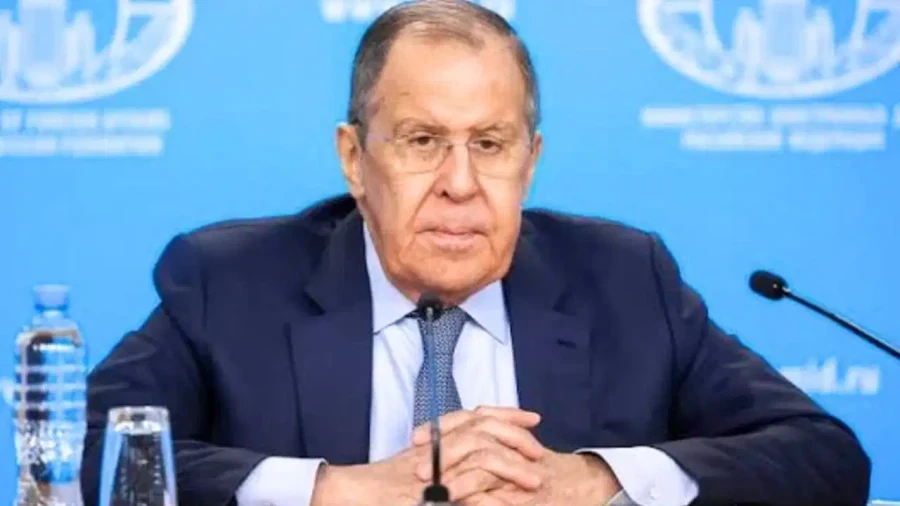
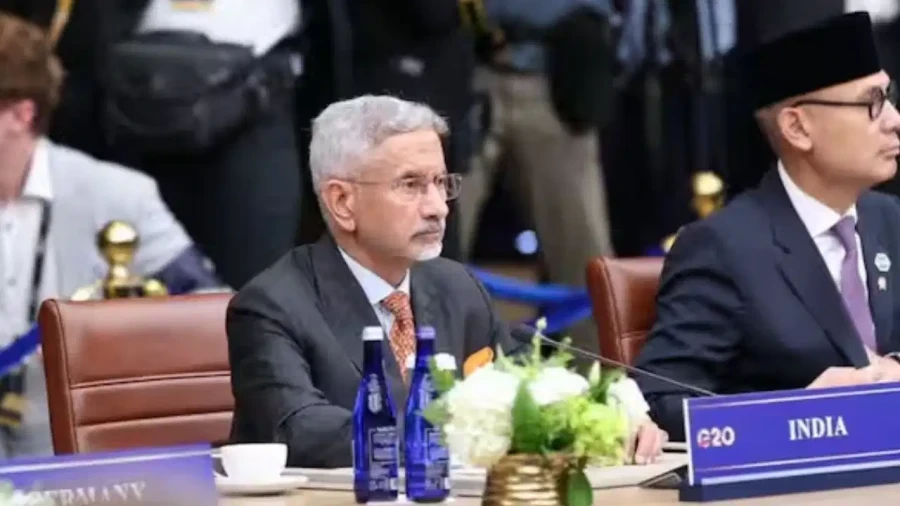
On the front of international diplomacy, India has once again played an active role by launching a major initiative toward a peaceful resolution of the Russia-Ukraine conflict. On the sidelines of the G20 Foreign Ministers meeting held in Atlanta, United States, India's External Affairs Minister S. Jaishankar held a high-level bilateral meeting with Russia's Foreign Minister Sergey Lavrov. This significant meeting took place on October thirty and thirty-one, hosted by United States Secretary of State Marco Rubio. During the discussions, both leaders deliberated extensively on the ongoing Russia-Ukraine conflict, the grim situation in the Gulf region, and other pressing international issues. Diplomatic circles view this meeting as exceptionally crucial, as India has consistently maintained that the war can only be resolved through dialogue and diplomacy.
As part of this diplomatic outreach, External Affairs Minister S. Jaishankar specifically highlighted three core and highly sensitive aspects for a resolution to the ongoing Russia-Ukraine war. The objective of these three agendas is to limit the scope of the conflict and minimize the adverse impacts on civilians and the global economy. The first point among these three major proposals put forward by the External Affairs Minister pertains to the safety and security of civilian vessels and sailors. He clarified that under no circumstances should civilian ships and sailors be targeted during the conflict, thereby ensuring the safety of maritime transport and global commerce.
The second major agenda is intrinsically linked to global food security. External Affairs Minister Jaishankar pointed out that Russia and Ukraine are two of the primary exporters of grain to global markets. Due to the war, the supply and export of grain from the Black Sea region have dropped Importantly. That's why, it's imperative to find a viable path to resume grain exports smoothly from both nations to avert a worsening food crisis in various parts of the world. Discussing the third and most complex point, the External Affairs Minister raised the issue of energy infrastructure and fuel-carrying vessels. He elaborated in detail that this issue is tied to energy, and avoiding attacks on energy infrastructure is perhaps the most complex subject because it holds different meanings for different parties. This includes energy infrastructure. For someone it could mean a refinery, while for someone else it could mean a grid. Also, there are issues related to fuel-carrying vessels. That's why, we're trying to see if we can bring all these parties together to discuss these issues.
Sharing comprehensive insights regarding this diplomatic tour and ongoing talks, External Affairs Minister S. Jaishankar also touched upon the coordination being maintained with the United States and other Western nations. He noted that Prime Minister Narendra Modi himself had extensive discussions on this subject with Russian President Vladimir Putin in New Delhi and earlier in Bishkek. On top of that, the External Affairs Minister had earlier visited Moscow, and he discussed the matter thoroughly with Sergey Lavrov during the G20 meeting in Atlanta as well. Amidst all these high-level visits, the External Affairs Minister also traveled to Kyiv, and India remains in constant touch with the Ukrainian side.
India isn't only engaging with Russia and Ukraine but is also actively coordinating with the Americans on this sensitive matter. The External Affairs Minister clarified that the United States has its own peace mediation initiative currently underway. United States Secretary of State Marco Rubio is broadly aware of what is transpiring in this direction. At present, this is where the diplomatic situation and ground realities stand. However, regarding any further major information or current developments beyond these talks, the External Affairs Minister made it clear that he doesn't feel in a position to share anything publicly at the moment. India's balanced and multi-dimensional diplomacy underscores New Delhi's firm commitment to acting as a credible bridge among all key stakeholders for global peace and stability.