
- India,
- 31-Oct-2026 12:58 PM IST



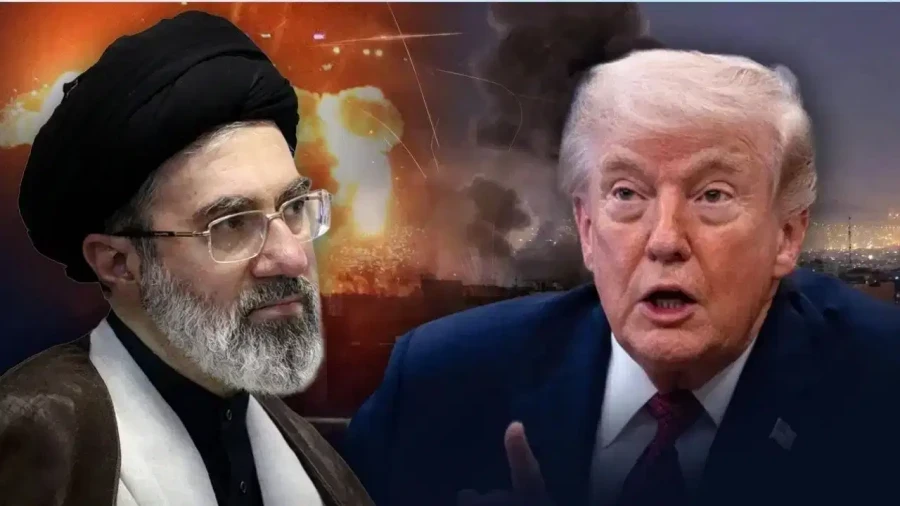
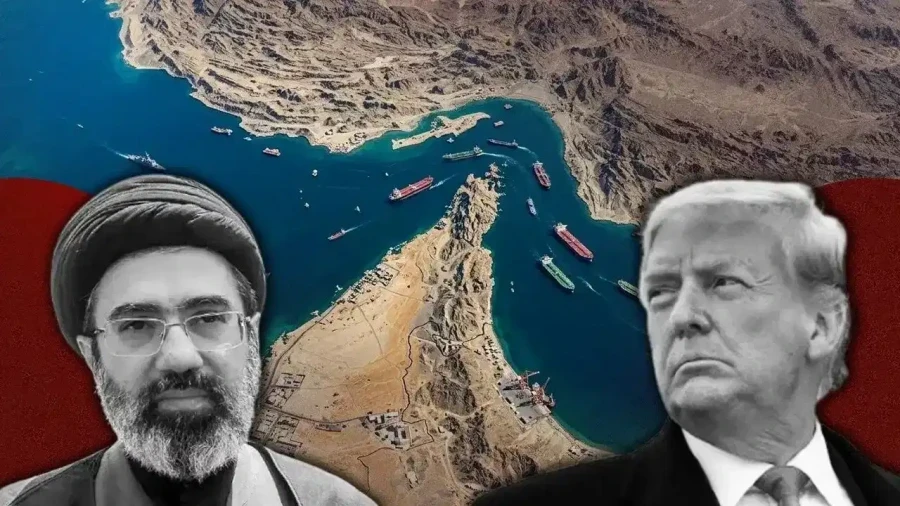
The prolonged tension between the United States and Iran has reached a critical juncture, with proposed ceasefire and peace efforts accelerating Notably. According to reports published by Al Arabiya English on Saturday, a preliminary framework for direct talks between Washington and Tehran has been drafted. Under this proposed draft framework, there is a serious proposal to transfer Tehran's heavily enriched uranium stockpile to a third country or to reduce its enrichment level Importantly. On top of that, the draft proposes reopening the strategically vital Strait of Hormuz to international shipping within seven days of reaching a preliminary agreement.
China's Potential Guarantor Role and Direct Talks in Doha
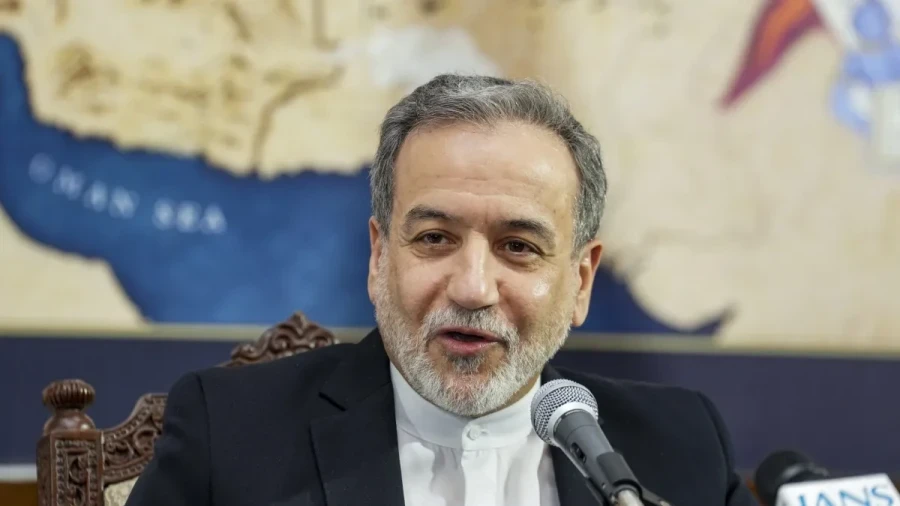
The draft framework, obtained exclusively by the news platform, also designates China as a potential guarantor to ensure the implementation and stability of any agreement. In this context, a proposal has been made for China to host a special meeting. Direct talks between Washington and Tehran are scheduled to take place in Doha instead of Istanbul. Under this proposed arrangement, Iran will fulfill concrete commitments regarding its nuclear program and maritime security, in exchange for which the United States will ease sanctions, blockades, and other economic restrictions. The entire framework also envisions an independent verification mechanism to assess compliance prior to each phase of implementation. This will ensure that neither party makes significant concessions without corresponding and independently verified commitments from the other side.
Qatar's Active Diplomatic Initiatives and Envoys' Role
According to a report by Iran's official news agency IRNA, diplomatic efforts to restore the ceasefire between Washington and Tehran gained further momentum on Friday. In this connection, a high-level Qatari delegation arrived in the Iranian capital for talks. Led by a senior adviser to Qatar's Prime Minister and Minister of Foreign Affairs, the delegation arrived on Friday morning and has been working closely with the United States. Meanwhile, reports emerged that Qatari envoys delivered a letter from US Vice President JD Vance to Iranian security official Mohsen Rezaei. Reports indicate that Tehran has warmly welcomed this letter, as it suggests a completely new diplomatic pathway to halt US military strikes.
Donald Trump's Remarks and the Economic Aspect of Conflict
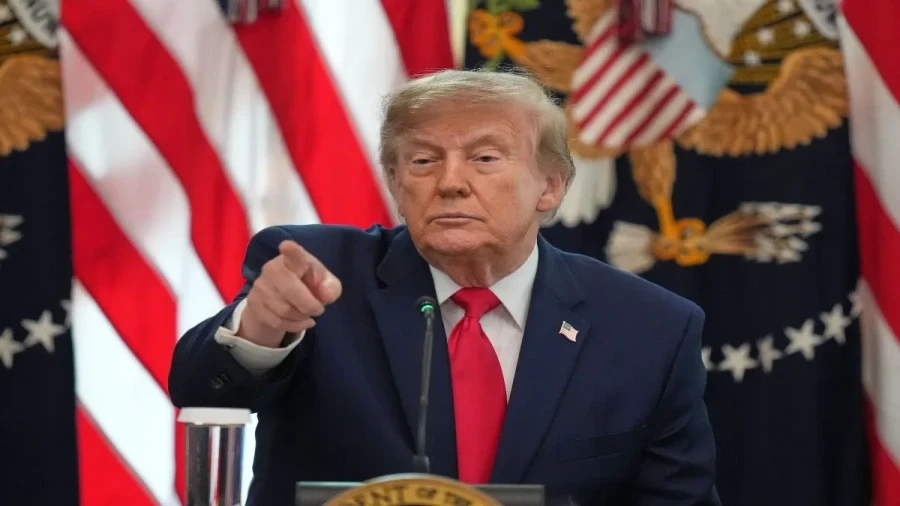
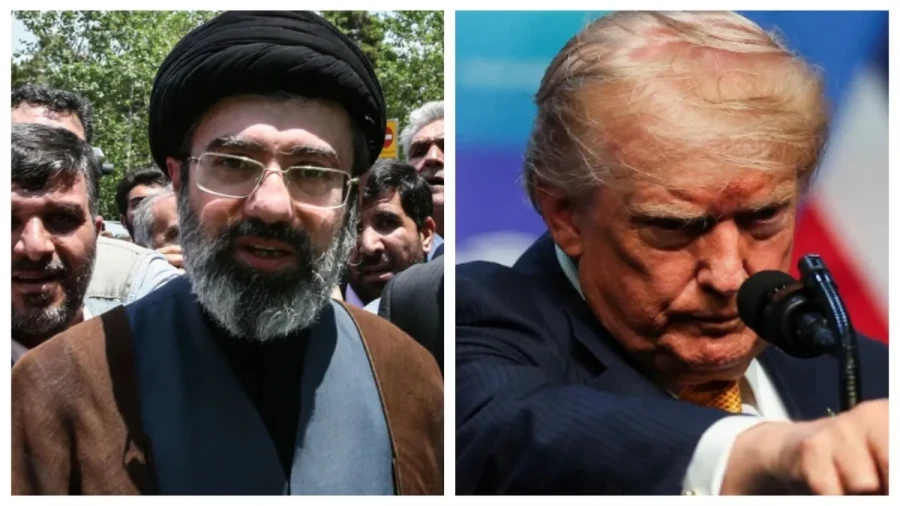
These diplomatic developments come at a time when US President Donald Trump stated that Washington is in no rush to end its conflict with Iran, while dismissing the military confrontation as anything but an ordinary war, Trump characterized the situation uniquely. Speaking to reporters in the Oval Office, President Trump claimed that while Tehran is deeply interested in negotiating, it's facing severe economic hardships internally. These domestic struggles include the inability to pay salaries to soldiers and law enforcement officials. Trump told reporters that talks are ongoing, they want to talk, and they're constantly talking. He further elaborated that they can't pay their soldiers, can't pay their police, and are in deep trouble. Trump added that they've time, noting that this is a war, but not an ordinary war, especially since it has been seven months since arriving there. Playing down the economic burden of the military campaign, Trump claimed that Washington's expenditure on this conflict has been remarkably low, and gains from elsewhere have fully offset these costs.
Turkish Foreign Minister's High Level Meeting With US Counterpart
Meanwhile, during the G20 ministerial meeting in the United States on Friday, Turkish Foreign Minister Hakan Fidan met with US Secretary of State Marco Rubio as part of a parallel diplomatic effort. According to Turkey's state-run news agency Anadolu, this vital discussion covered the ongoing talks between Washington and Tehran, regional developments, and bilateral relations extensively. This meeting followed a lengthy phone conversation earlier in the week between Turkish President Recep Tayyip Erdogan and US President Donald Trump. During that conversation, Ankara expressed its deep concerns regarding maritime routes and strongly supported diplomatic initiatives aimed at reducing regional tension.