
- India,
- 30-Oct-2026 08:59 AM IST



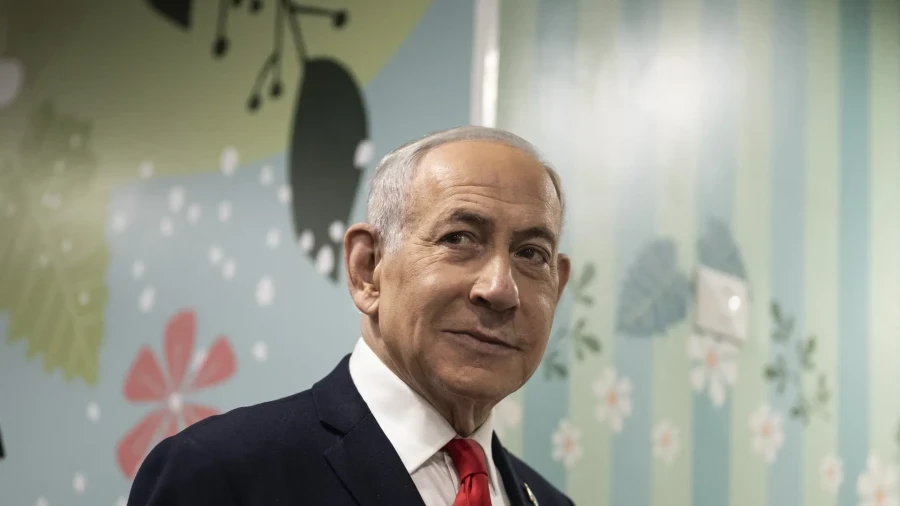
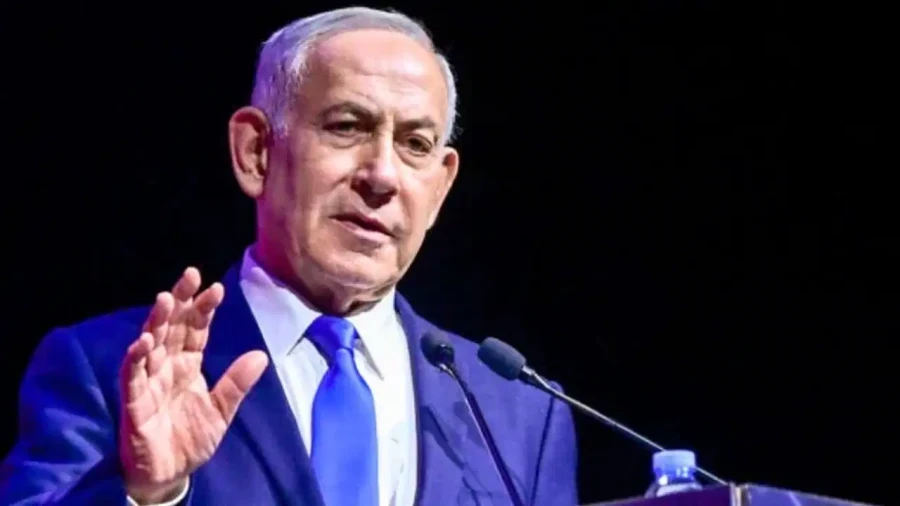
A major political upheaval has once again gripped Israel, resulting in a fractured mandate and a hung parliament following the conclusion of the parliamentary elections held on October 27. According to the final and official results released early this morning by the Central Elections Committee, Prime Minister Benjamin Netanyahu’s coalition has completely failed to secure the required majority to form the next government. These conclusive figures have plunged Israeli politics into an era of deep uncertainty, leaving the formation of the upcoming Knesset shrouded in intense political maneuvering and suspense.
Final Seat Equation and Party Standings
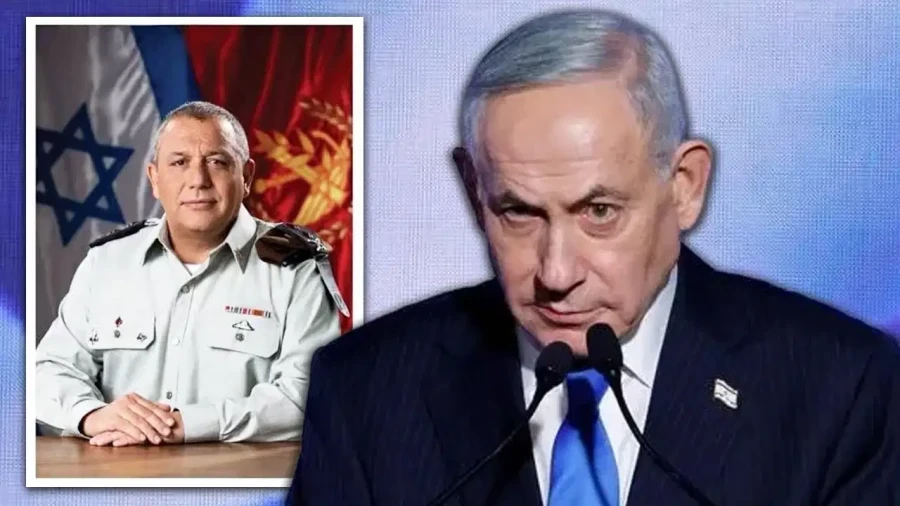
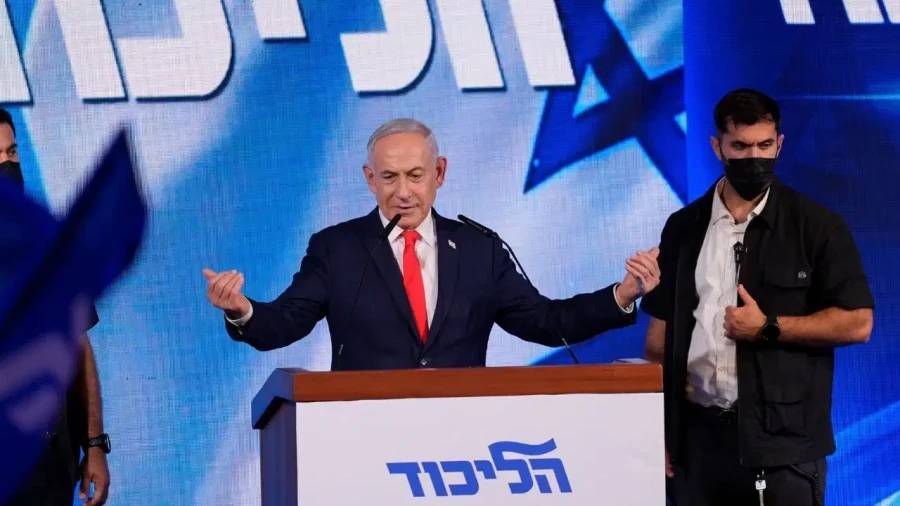
A closer examination of the numbers reveals that a minimum of 61 seats is required to form a stable government in the 120-member Israeli parliament known as the Knesset. However, the final outcomes indicate that neither of the primary political blocs has managed to reach this magical majority threshold. The right-wing bloc supporting Prime Minister Benjamin Netanyahu has secured a total of 53 seats in the upcoming legislature. Within this right-wing alliance, Prime Minister Benjamin Netanyahu's own party, Likud, emerged as the single largest political party in the country, clinching 27 seats independently.
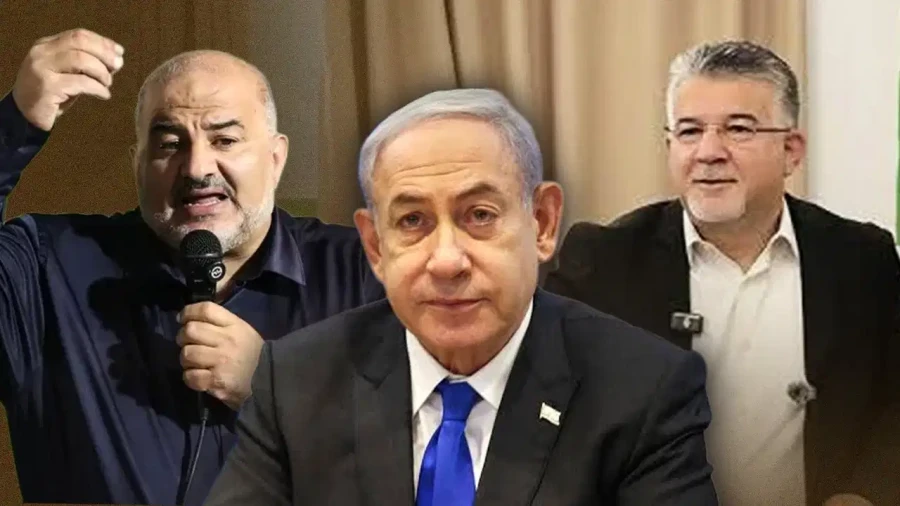
On the other side of the political spectrum, the opposition bloc attempting to oust Prime Minister Benjamin Netanyahu from power managed to secure 48 seats. Within this opposition camp, Gadi Aisencot's Yashar party performed strongly, capturing 21 seats. Aside from these two major rival blocs, the biggest upset of the election was delivered by the Arab-led parties, which achieved a historic breakthrough by winning a remarkable 19 seats. This Arab alliance includes parties like Ra’am and the Joint List, marking an unprecedented surge in their political representation and parliamentary strength.
Amidst this tightly contested hung parliament, the 19 seats won by the Arab coalition have propelled them directly into the critical role of kingmakers. However, conventional Israeli politics has long seen most Jewish parties hesitate and refrain from entering into formal political alliances with Arab-led factions, while despite this historical reluctance, the current parliamentary arithmetic dictates that without the explicit or implicit support of these Arab parties, neither Netanyahu nor Aisencot can bridge the gap to reach the essential majority mark of 61 seats.
Allegations of Interference and CEC Clarification
As soon as the election results were made public, political tensions and verbal sparring escalated sharply across the nation. Prime Minister Benjamin Netanyahu’s Likud party leveled serious allegations of electoral fraud and foreign interference against the Arab parties, claiming that outside influences and improper methods were utilized during the polls. However, Central Elections Committee Executive Director Dean Livne firmly dismissed these accusations. Livne explicitly clarified that the elections were conducted in an entirely legitimate, fair, and transparent manner, stating that there were no systemic proofs or evidence of irregularities found in the electoral process.
Three Potential Paths Forward for Government Formation
Since no single coalition or party has crossed the threshold of 61 seats on its own, Israeli President Isaac Herzog will soon initiate formal consultations with the leaders of all elected parties. Following these discussions, the President will formally invite the political leader who holds the highest probability of successfully proving a parliamentary majority to form the government.
- Political Horse-Trading and Defections: Prime Minister Benjamin Netanyahu or opposition leader Gadi Aisencot could aggressively attempt to court, persuade, or lure smaller factions, independent members, or disgruntled politicians from the rival camp to defect and join their respective folds.
- National Unity Government: To pull the nation out of political instability and gridlock, the blocs led by Netanyahu and Aisencot could theoretically agree to join hands and form a joint unity government. However, the deep-seated anti-Netanyahu stance of the opposition makes this path exceedingly difficult to materialize.
- Prospect of Fresh Elections: If all political factions fail entirely to forge a working coalition government within the constitutionally mandated timeframe, Israel could be forced to face brand new parliamentary elections once again within just a few months.
Pending the successful formation of a new government and the swearing-in of a new Prime Minister, Benjamin Netanyahu will continue to serve as the caretaker Prime Minister of the country. Nevertheless, under constitutional guidelines, his caretaker administration will remain strictly barred from making any major, far-reaching, or long-term policy decisions during this transitional interim phase.