
- India,
- 29-Oct-2026 01:54 PM IST



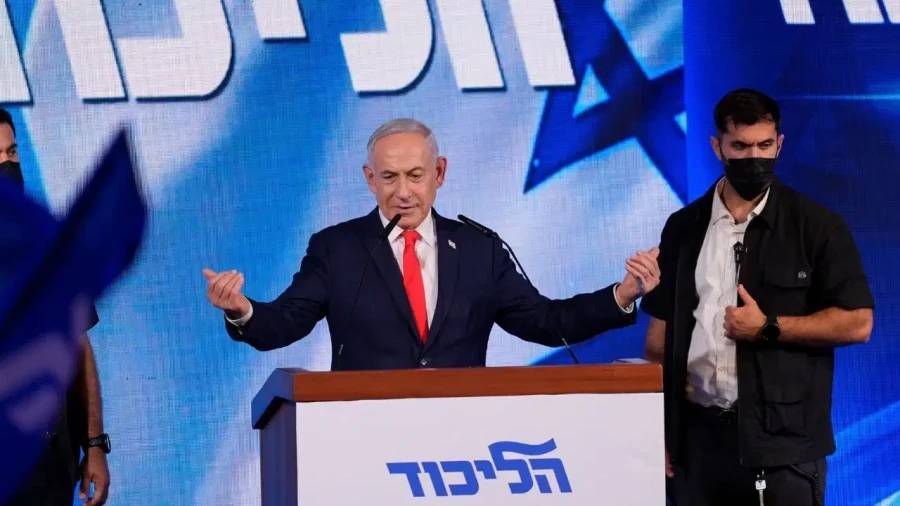
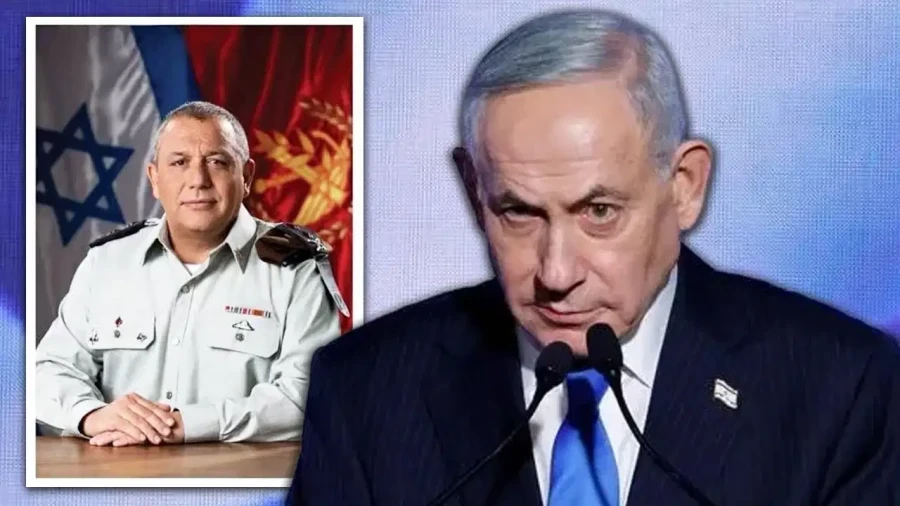
Following the recent election results in Israel, a major political deadlock has emerged regarding the country's next prime minister. In the current political landscape, the situation has become extremely complicated because neither incumbent Prime Minister Benjamin Netanyahu nor his arch-rival and former IDF chief Gadi Eizenkot possesses the required majority to form a government on their own. Although Gadi Eizenkot has the open path of taking support from Arab parties, the actual scope and viability of this option remain extremely low. Consequently, at this crucial juncture in Israeli politics, the attention of the entire nation and the world has shifted toward the United States to see what directions and decisions emerge from Washington.
Amidst these unfolding developments, a recent report by the Washington Post has intensified political discussions, while according to the report, the White House is actively engaged in brokering a reconciliation between Benjamin Netanyahu and Gadi Eizenkot. The primary intention of the White House is to ensure that a government composed strictly of right-wing parties is established in Israel. The underlying strategic reasoning is that any interference or coalition involvement by Arab parties could severely disrupt the political equation and jeopardize American regional interests. United States diplomacy is strongly emphasizing the establishment of a solid and stable right-wing administration in Tel Aviv.
In the meantime, significant signals have also been emitted by both prominent leaders regarding the future political setup. Israeli Prime Minister Benjamin Netanyahu issued an official statement asserting that the country must form a strong right-wing government to effectively counter and eliminate the persistent threat emanating from Iran while ensuring national security, while on the other hand, former IDF chief Gadi Eizenkot has flatly rejected the proposal of accepting cooperation or support from Arab parties. Clarifying his definitive stance, he stated that a Jewish government will be formed to serve the nation, making it evident that he's currently not inclined to align with Arab factions.
Political corridors in Israel are abuzz with intense speculation regarding whether a coalition between these two bitter rivals is feasible. Two primary reasons are being cited behind this speculation. The first reason is the underlying ideological alignment between Netanyahu and Eizenkot on various critical national issues. The second and most prominent reason is heavy pressure from the United States. In the prevailing scenario, Israel is simply not in a position to take any independent decisions on its own. During the final moments of the election campaign, US President Donald Trump directly intervened in the political affairs of Tel Aviv.
US President Donald Trump highlighted that during that crucial phase of the election when Netanyahu was heading toward a severe defeat, he openly threw his support behind him and brought him back into a winning position. Given the current geopolitical scenario in the Middle East, opposing the United States, and specifically opposing Donald Trump, is simply not possible for Israel. The continuous functioning of Israel's domestic and foreign policy is widely considered extremely difficult without American backing and pressure, which is precisely why Washington's decisions are effectively dictating the shape and direction of Israeli politics.
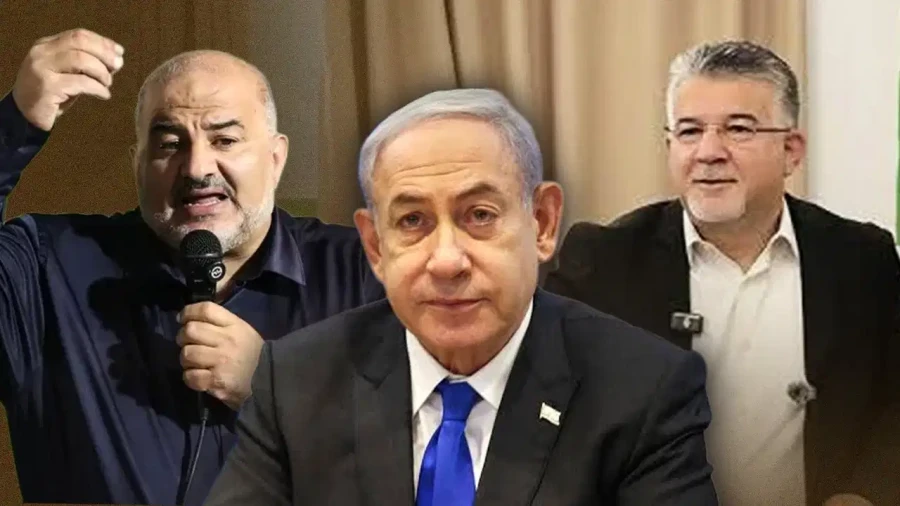
Political analysts suggest that if the current political impasse leads to fresh elections, this step could prove extremely heavy and potentially fatal for Gadi Eizenkot. Following these election outcomes, Netanyahu could potentially succeed in further consolidating his domestic political standing. Meanwhile, the unexpected surge and rise of Arab parties in the recent election have sent shockwaves and deep concern among Jewish citizens in Israel. For the very first time in history, Arab parties have emerged with a remarkably strong political footing that can't be simply brushed aside.
Reacting strongly to these developments, Prime Minister Benjamin Netanyahu has leveled severe accusations against Arab parties, claiming they attempted to steal the election, while this sensitive issue is slated to transform into a major controversy and a topic of intense national debate in Israel in the coming days. Until a concrete settlement or a viable coalition formula is carved out between Netanyahu and Eizenkot through American mediation, deep ambiguity will persist regarding who will ultimately become the next prime minister of Israel, with the decisive verdict seemingly resting in the hands of Washington.