
- India,
- 02-Nov-2026 09:05 PM IST



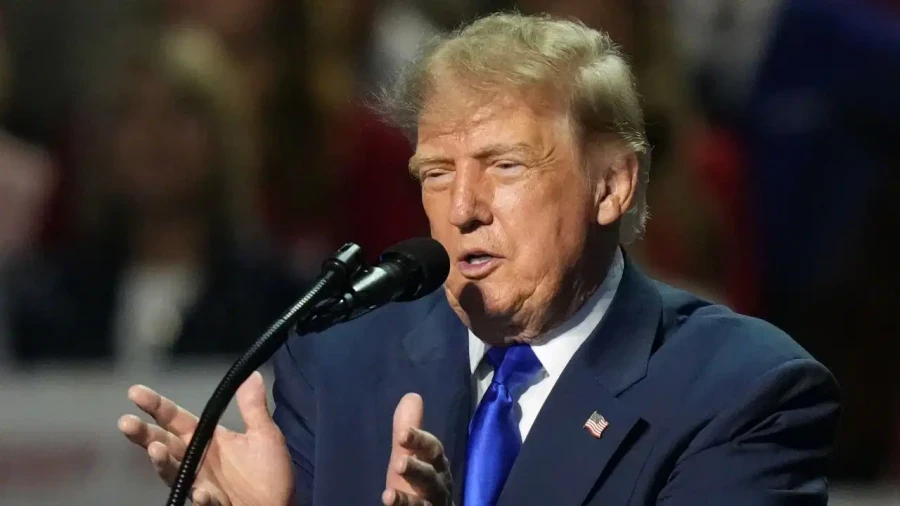
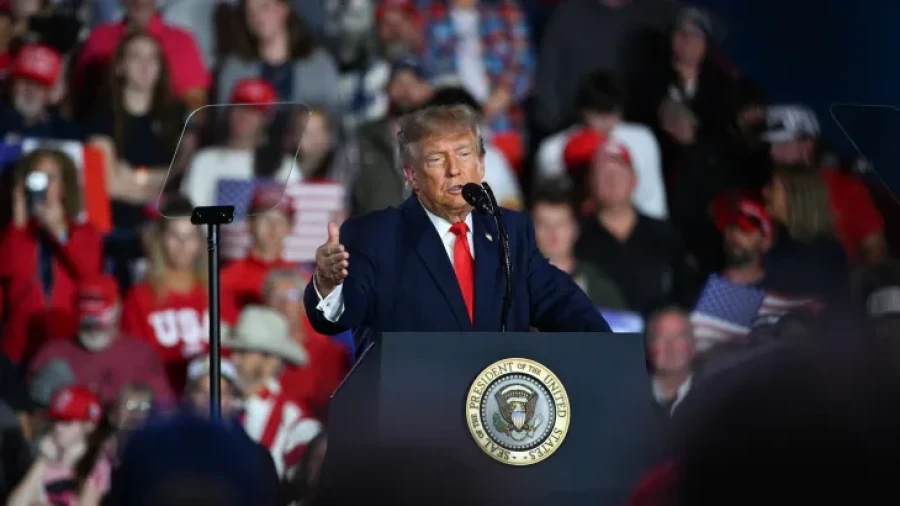
Midterm elections in the United States will be held on Tuesday, November 3. Between 1946 and 2022, across 20 elections, the president party has lost seats in the House 18 times. Will Donald Trump be able to change this electoral trend? This question remains a major topic of discussion across the corridors of American politics. The midterm elections on November 3 won't only determine the new composition of Congress but will also be seen as a public referendum on President Donald Trump governance. If Trump Republican Party suffers losses in these elections, it won't be new to American politics. The past 76 years of electoral history show that the president party frequently faces voter dissatisfaction during midterms. Out of 20 midterm elections held between 1946 and 2022, the president party has lost seats in the House of Representatives 18 times, suffering an average loss of 26 seats. Thus, Trump faces the challenge of retaining his party majority.
Process and Significance of Midterm Elections
The US president serves a four-year term, but midterm elections are held every two years, while this time, voters will cast ballots for all 435 seats in the House of Representatives and 35 out of 100 seats in the Senate. Although the president name doesn't appear on the ballot, the results determine which party will dominate the US Congress for the next two years. This is why midterms are considered a test of the president performance, policies, and public trust in the administration. In American politics, this recurring loss for the president party during midterms is termed presidential penalty or midterm penalty. A major reason behind this is that two years into a presidency, the public begins to experience the direct impact of the administration policies and decisions. Frustrations regarding inflation, employment, the economy, and governance are reflected at the ballot box. Often, voters award more seats to the opposition to maintain a system of checks and balances, while between 1946 and 2022, there were only two occasions when the president party gained seats in a midterm election. In 1998, Bill Clinton Democratic Party gained four seats in the House, while in 2002, George W. Bush Republican Party picked up eight seats. In the remaining 18 elections, the president party lost seats in the House.
Presidential Party Performance in Midterms From 1946 to 2022
The record of seat losses and gains for the president party during midterm elections across different administrations is as follows:
- Harry Truman administration in the 1946 election saw a loss of 56 seats.
- Harry Truman administration in the 1950 election saw a loss of 28 seats.
- Dwight Eisenhower administration in the 1954 election saw a loss of 18 seats.
- Dwight Eisenhower administration in the 1958 election saw a loss of 50 seats.
- John F. Kennedy administration in the 1962 election saw a loss of 6 seats.
- Lyndon B. Johnson administration in the 1966 election saw a loss of 47 seats.
- Richard Nixon administration in the 1970 election saw a loss of 12 seats.
- Gerald Ford administration in the 1974 election saw a loss of 48 seats.
- Jimmy Carter administration in the 1978 election saw a loss of 14 seats.
- Ronald Reagan administration in the 1982 election saw a loss of 26 seats.
- Ronald Reagan administration in the 1986 election saw a loss of 4 seats.
- George H.W. Bush administration in the 1990 election saw a loss of 8 seats.
- Bill Clinton administration in the 1994 election saw a loss of 54 seats.
- Bill Clinton administration in the 1998 election saw a gain of 4 seats.
- George W. Bush administration in the 2002 election saw a gain of 8 seats.
- George W. Bush administration in the 2006 election saw a loss of 30 seats.
- Barack Obama administration in the 2010 election saw a loss of 64 seats.
- Barack Obama administration in the 2014 election saw a loss of 13 seats.
- Donald Trump administration in the 2018 election saw a loss of 42 seats.
- Joe Biden administration in the 2022 election saw a loss of 9 seats.
Heavier Losses for Democratic Presidents
Looking back at electoral records, parties of Democratic presidents have experienced relatively heavier losses in midterm elections. Since 1946, Democratic presidential administrations have seen their party lose an average of 29 seats in the House, compared to an average of about 23 seats under Republican presidents. The single largest defeat occurred in 2010 during Barack Obama presidency, when the Democratic Party lost 64 seats in the House of Representatives, handing control of the chamber to the Republican Party. Prior to that, Democrats lost 56 seats under Harry Truman in 1946 and 54 seats under Bill Clinton in 1994. For the Republican Party, the worst defeat came in 1958 under Dwight Eisenhower, losing 50 seats, while Gerald Ford administration saw the party lose 48 seats in 1974. Donald Trump has also faced this electoral trend, as his Republican Party lost 42 seats in the House during the 2018 midterm elections, though the party strengthened its position in the Senate. Overall, control of the House has flipped from the president party to the opposition seven times since 1946.
Setbacks for the President Party in the Senate
The Senate electoral record also shows losses for the president party, though the picture differs slightly from the House. In 13 out of 20 midterm elections between 1946 and 2022, the president party lost seats in the Senate, losing control of the chamber on six occasions. A major reason for this lies in the structural differences between the elections of the two chambers. All 435 House seats are contested every two years, whereas only about one-third of the 100 Senate seats are up for election in any given cycle. Senators serve six-year terms, meaning Senate outcomes are influenced by national moods alongside specific state-level political dynamics. The largest Senate loss occurred in 1958 under Eisenhower, when Republicans lost 13 seats. In 1946, Democrats lost 12 seats under Truman. During Obama presidency in 2014, the Democratic Party lost nine seats, resulting in the Republican Party taking control of the Senate.
Impact on the President of Losing the House or Senate
Losing seats in a midterm and losing control of a chamber are distinct outcomes. A party can experience seat losses while still maintaining a majority. For instance, in 1966, Lyndon B. Johnson Democratic Party lost 47 seats in the House but retained its majority. Conversely, in 1986, Reagan Republican Party lost eight seats in the Senate, shifting control of the chamber to the Democrats. An opposition majority in either chamber of Congress can create significant hurdles for a president. The implications include difficulty in passing legislation, since a bill must pass both the House and the Senate to become law, allowing an opposition majority to block the presidential agenda. Also, an opposition majority in the House can advance impeachment investigations and resolutions. Control over appointments is also affected, as a Senate majority can block presidential nominees for federal judgeships and other key positions. This time, the Democratic Party needs three additional seats in the House and four in the Senate to secure majorities. D. Vance can cast the tie-breaking vote, while consequently, the November 3 results will determine whether Trump can advance his policies smoothly over the next two years or if he will face stiff opposition in Congress.