
- India,
- 02-Nov-2026 09:32 AM IST



3 trillion rupees, specifically dedicated to the nation's farmers and agricultural sector. The primary objective behind this major governmental announcement is to provide immediate financial relief to farmers across the country who have been severely distressed by the soaring prices of diesel and fertilizers. The steep rise in the costs of these essential agricultural inputs is widely attributed to the administration's tariff policies as well as the ongoing Iran conflict, which has continued to exert heavy pressure on the rural economy.
Political Strategy and Rural Campaign Tours
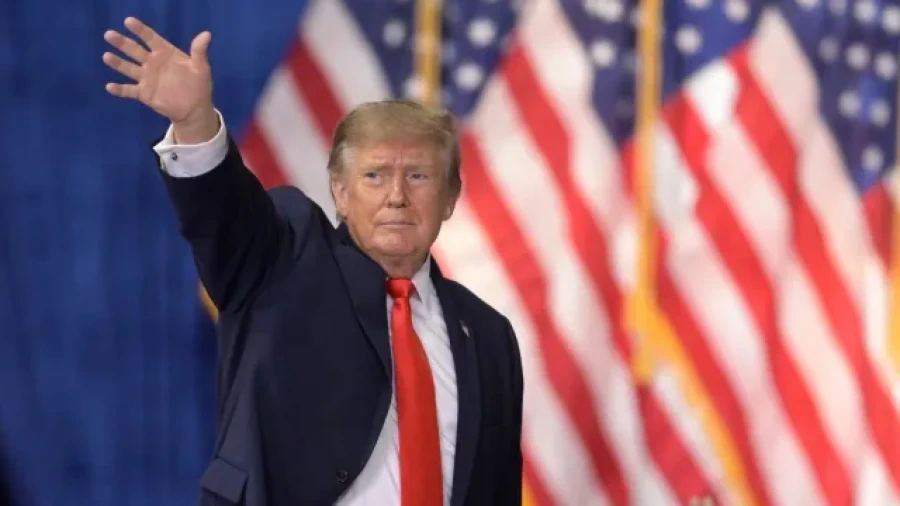
Along with this major political and economic announcement, President Trump's focus shifted intensively toward rural areas just ahead of the elections. Following this strategic political move, he undertook campaign visits to the crucial states of Iowa and Kansas on Sunday. Politically, the electoral contest in both of these states is considered extremely tight and fiercely competitive this time around. However, it remains entirely unclear among political analysts and observers how much political support rural voters will ultimately extend to Trump's Republican Party following these targeted announcements made for the benefit of farmers.
Allocation and Distribution of Assistance to Farmers
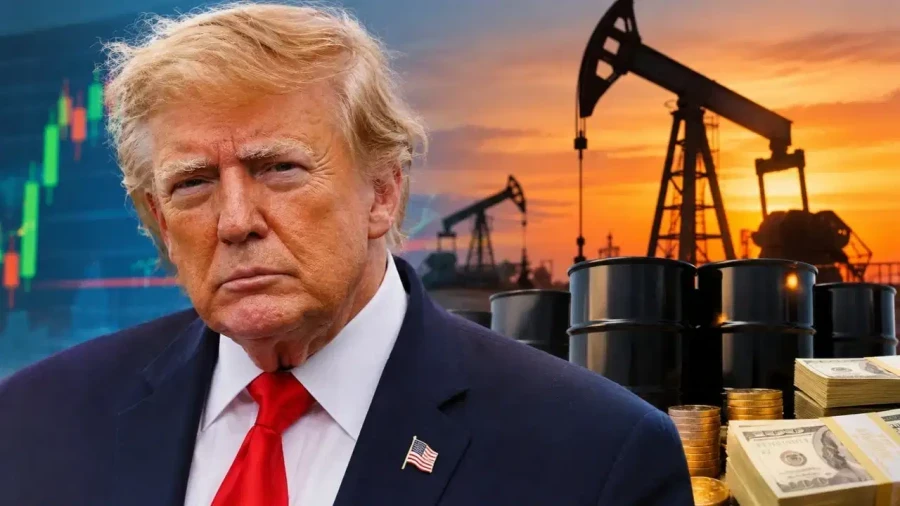
According to official data released by the United States Department of Agriculture, the total financial assistance exceeding 15 billion dollars features a massive single-largest chunk amounting to 8 billion dollars. This substantial sum will be disbursed as a one-time direct payment to farmers who are heavily burdened by escalating diesel prices. Nevertheless, complete and detailed information regarding exactly when this money will be credited and how much each specific farmer will receive has not been fully disclosed as yet. In addition, loan guarantees exceeding 5 billion dollars will be provided to livestock producers and fishermen to strengthen their operations. 8 billion dollars. Fertilizer manufacturing projects will be backed with 573 million dollars, while 57 million dollars will be allocated toward the expansion of meat processing units. 6 million dollars in financial aid to support their new agricultural projects. 5 million dollars worth of agricultural products will be purchased directly from the markets. These procured commodities will then be distributed to various organizations and institutions aiding needy individuals and families. 8 billion dollars, encompassing producers cultivating corn, soybeans, wheat, and rice.
Farmers Struggling with Record Inflation of Diesel and Fertilizers
Managing the costs of agricultural production has proven exceptionally expensive for farmers during the current year. Market prices for fertilizers, diesel, and modern farming equipment have witnessed dramatic spikes. Concurrently, the protracted trade war with China has severely impacted the commercial sales and overseas exports of American agricultural commodities. 32 dollars per gallon on Friday. This figure marks an astounding 70 percent increase compared to the exact same period a year ago. The present reality is that farmers now have to spend an extra 260 dollars just to fill a 100-gallon tractor or utility vehicle tank relative to last year, severely straining their finances. Greg Ibendahl, an esteemed agricultural economist at Kansas State University, noted on this matter that while this government assistance can offset the inflated fuel expenses of farmers to some degree and provide slight relief from fertilizer inflation, it ultimately doesn't offer a permanent or long-term structural solution to the underlying problem of continuously rising agricultural production costs.
Deep Farmer Discontent and Potential Electoral Impact
According to Wichita State University professor Alexandra Middelwood, while certain farmers are presently pleased with this sudden influx of government assistance, they certainly don't view it as any form of long-term economic relief. Soaring inflation rates and adequate healthcare access currently stand out as major electoral issues across rural parts of America. On top of that, strict administrative crackdowns against illegal immigration could potentially trigger severe shortages of farm laborers needed to work the fields. Substantial federal cuts to foreign aid and the SNAP food assistance program could also result in a sharp contraction in domestic consumer demand for agricultural products. On the other hand, Emporia State University professor Michael Smith points out that although numerous rural voters personally admire President Trump, it doesn't necessarily imply that they completely agree with every single policy and decision of his administration. Professor Middelwood further emphasizes that voters who are presently disgruntled with the administration won't automatically cast their ballots for the opposition Democratic Party. Many of these disillusioned individuals may either choose to stay away from the ballot boxes on election day or cast their votes in favor of independent candidates. Consequently, from the perspective of political equations, the final electoral choices made by these independent and uncommitted voters could prove to be the most critical and decisive factor in determining the ultimate outcome of the upcoming elections.