
- India,
- 18-Sep-2026 10:56 PM IST



The United States House of Representatives has officially passed a legislative measure that could Importantly alter international trade dynamics, particularly for nations maintaining energy ties with Russia, while this bill provides President-elect Donald Trump with a powerful economic tool, often referred to as a tariff weapon, which allows for the imposition of heavy duties on countries that continue to purchase oil and gas from the Russian Federation. The passage of this bill marks a critical step in the American strategy to tighten sanctions against Russia and its economic partners, potentially creating a challenging environment for major global economies like India and China.
Legislative Details and Voting Results
The bill, titled the Lindsey O, while graham Sanctioning Russia and Iran Act of 2026, was approved by the House on Wednesday evening with a decisive majority. The final vote count stood at 262 in favor and 159 against. This legislative progress follows the bill's earlier passage in the US Senate during August of last year, while with the House's approval, the act is now set to move to Donald Trump's desk for his signature, which will officially codify it into law. The act is designed to expand the scope of penalties against Russian officials, financial institutions, and banking authorities, while also introducing aggressive trade measures against third-party nations.
The 100 Percent Tariff Provision
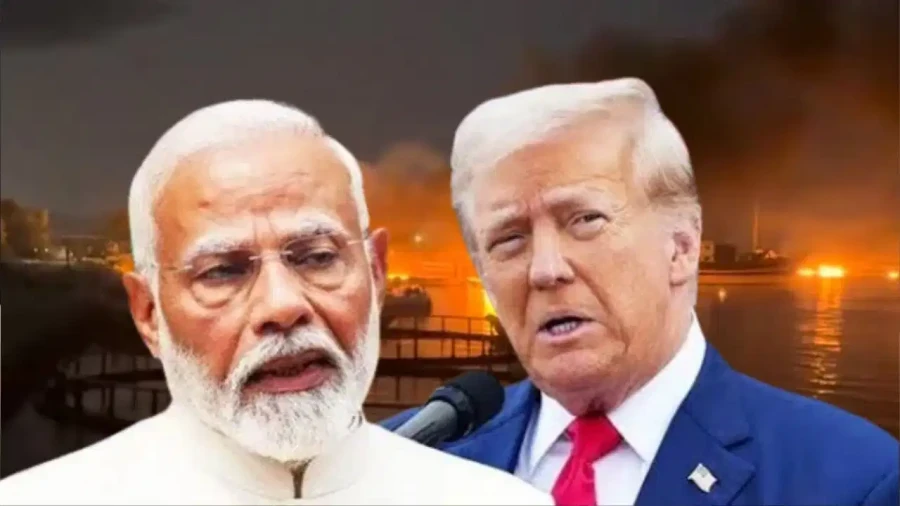
One of the most striking features of this new law is the authority it grants the US President to impose tariffs of up to 100 percent on specific imports. This provision is specifically aimed at the top 5 importers of Russian petroleum products. During the debates held in the US House, supporters of the bill explicitly identified India and China as the primary targets of these potential tariffs. Both nations have emerged as the largest buyers of Russian crude oil following the onset of the conflict in Ukraine, and this bill seeks to use American market access to discourage such trade. The legislation directs the President to evaluate the trade activities of these major importers and apply the 100 percent tariff rate where deemed necessary to uphold US foreign policy goals.
Exemptions and Specific Conditions
While the bill is aggressive in its stance, it does include specific criteria for exemptions. According to the text of the law, countries that import less than 15 percent of their total natural gas requirements from Russia may be eligible for relief from these heavy tariffs. Plus, the exemption is contingent upon the country demonstrating concrete and verifiable steps toward reducing their reliance on Russian energy exports. This 15 percent threshold serves as a benchmark for the US administration to distinguish between nations that are marginally dependent on Russian gas and those that are major strategic partners in Russia's energy economy.
Executive Authority and Global Impact
It's important to note that the bill doesn't automatically trigger a 100 percent tariff on any country's products. Instead, it empowers the executive branch, under the leadership of Donald Trump, to exercise this authority based on specific legal conditions. If Trump chooses to implement these measures, the executive branch will have the legal backing to impose these tariffs on a wide range of products from countries like India and China. This move is seen as a way to provide the President with maximum use in international negotiations, allowing him to use trade barriers as a means to enforce compliance with US-led sanctions against Russia and Iran.