
- India,
- 05-Jul-2026 08:23 AM IST



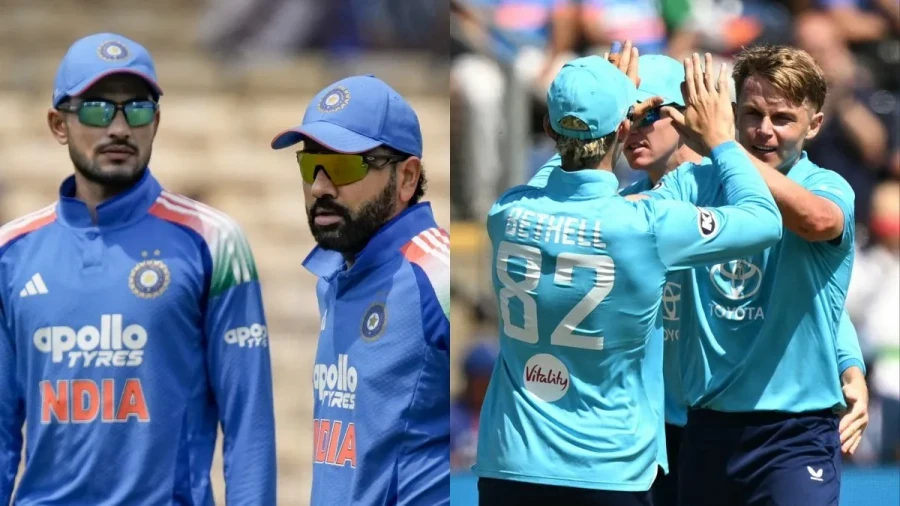
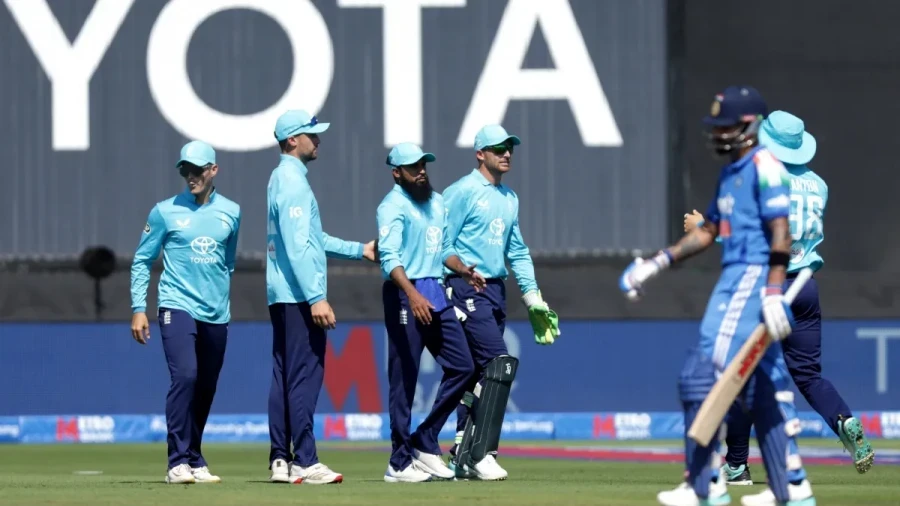
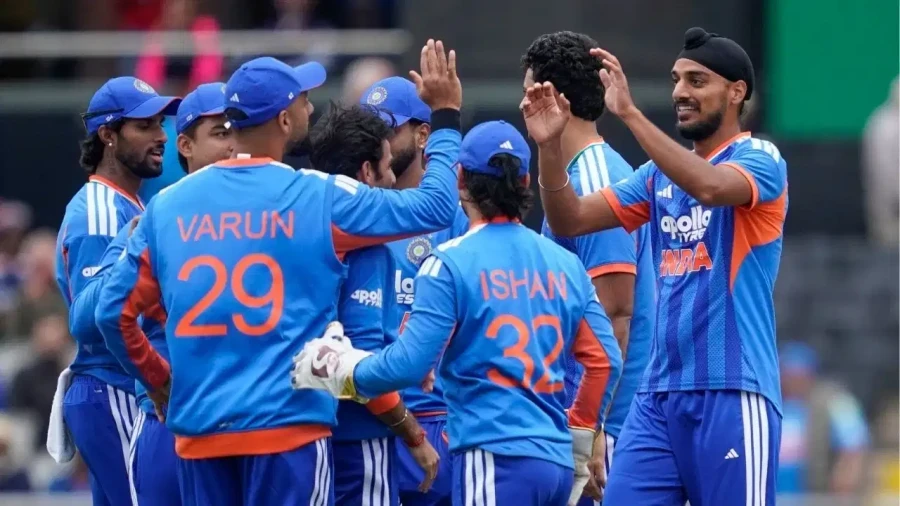
The second T20 International between India and England at Old Trafford in Manchester turned out to be a rollercoaster ride that ultimately ended in disappointment for the Men in Blue. Despite setting a formidable target of 191 runs, the Indian team couldn't defend it, losing the match by 4 wickets. While the emergence of young sensation Vaibhav Suryavanshi was a silver lining for India, it was Jacob Bethell's explosive unbeaten knock of 76 runs from 46 balls that stole the show and guided the hosts to victory. This win has allowed England to take a 1-0 lead in the T20 series, leaving the Indian management with several questions to answer regarding their execution in pressure situations.
The Turning Point and Jacob Bethell's Heroics
India seemed to have the game under control at one stage, while when England had lost 5 wickets for 133 runs, they still required 58 runs from the final 28 deliveries. On most days, a bowling side would back itself to defend such a margin. However, Jacob Bethell had other plans. His calculated yet aggressive approach dismantled the Indian bowling attack in the death overs. His ability to find boundaries at will shifted the momentum entirely in England's favor, turning a certain Indian victory into a narrow defeat. There were four primary reasons why India failed to cross the finish line in this high-scoring encounter.
1. Ishan Kishan's Sluggish Batting Performance
The pitch at Old Trafford was widely regarded as a paradise for batsmen, offering true bounce and pace. In such conditions, a fast start is imperative. However, opener Ishan Kishan struggled to find his rhythm. Although he scored 49 runs, he consumed 40 balls to reach that mark. In the context of modern T20 cricket and especially on a flat track, this strike rate was considered quite ordinary. Had Kishan shown more intent and accelerated earlier, India could have easily surpassed the 210-run mark, which might have proven too much even for Bethell's heroics.
2. Ravi Bishnoi's Expensive Spell and No-Ball Issues
Leg-spinner Ravi Bishnoi had a night to forget in Manchester. Entrusted with the responsibility of picking up wickets in the middle overs, Bishnoi ended up conceding 60 runs in his quota of 4 overs without taking a single wicket. The most damaging aspect of his spell was the three no-balls he bowled. In the shortest format of the game, bowling no-balls is often seen as a cardinal sin because it grants the opposition a free-hit, while bishnoi appeared to lose his line and length under pressure, and the England batsmen capitalized on every mistake he made.
3. Harshit Rana's Continued Struggle
Young fast bowler Harshit Rana was expected to provide breakthroughs and maintain pressure, but he failed to leave an impact for the second consecutive match. Rana bowled 3 overs and gave away 30 runs without any success. He struggled to find the right length on the Manchester surface and was unable to restrict the flow of runs. His inability to provide control from one end put additional pressure on the captain and the other bowlers, making it easier for England to keep up with the required run rate.
4. Arshdeep Singh's Momentum-Shifting Over
Arshdeep Singh, the spearhead of the Indian pace attack, started the match brilliantly. He provided the perfect start by picking up 2 wickets in his very first over, putting England on the back foot early on. However, his second over proved to be the turning point for the wrong reasons. Arshdeep lost his radar and conceded 27 runs in that single over. This massive over gave the England batsmen the momentum they desperately needed to get back into the chase. It neutralized the early advantage India had gained and allowed the hosts to rebuild their innings with confidence.