

- India,
- 16-Feb-2026 07:02 PM IST


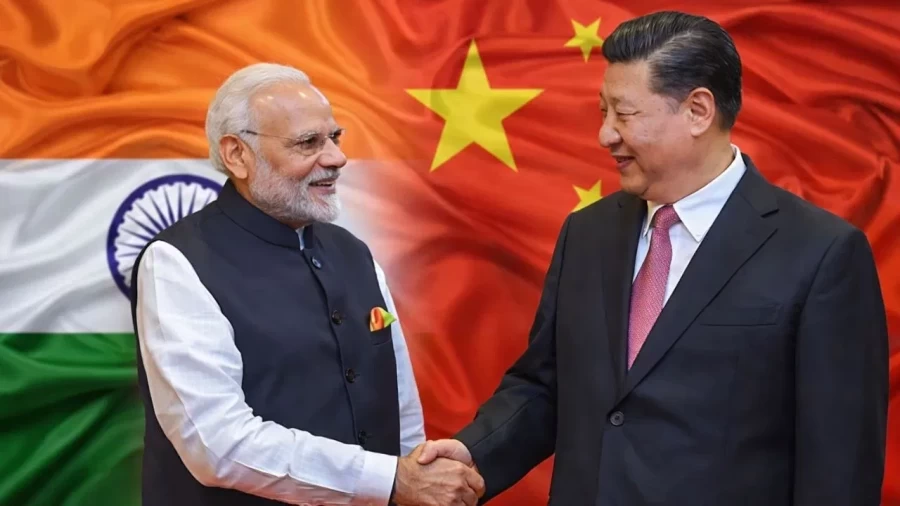
The Government of India is reportedly evaluating a proposal to relax Foreign Direct Investment (FDI) regulations for neighboring countries, particularly China, while according to reports from Economic Times, the government is reviewing 'Press Note 3' to potentially allow smaller investments through the automatic route. This move aims to balance national security concerns with the operational requirements of the domestic manufacturing industry. Officials indicate that the review is focused on facilitating easier entry for non-strategic investments that provide essential technology and capital to Indian firms.
Background and Current Status of Press Note 3
In April 2020, the Indian government issued 'Press Note 3', which Notably tightened investment norms. The regulation mandated prior government approval for any investment coming from countries that share a land border with India. The primary objective at the time was to prevent opportunistic takeovers of Indian companies during the economic vulnerability caused by the COVID-19 pandemic. Since its implementation, investment proposals from China have faced rigorous and lengthy screening processes, leading to delays in several industrial projects across various sectors.
Proposed 'De Minimis' Threshold for Small Investments
According to government sources, there is a discussion regarding the introduction of a 'de minimis' threshold for FDI. Under this proposed framework, investments that fall below a certain monetary value or represent a minor equity stake may be exempted from the mandatory government approval process. Officials are assessing whether such small-scale investments can be processed through the automatic route to speed up the execution of business agreements. However, it has been clarified that Press Note 3 won't be scrapped entirely; instead, practical relaxations will be introduced to improve the ease of doing business.
Industry Demand for Joint Ventures in Electronics
The Indian electronics manufacturing sector has been actively advocating for permission to form joint ventures (JVs) with Chinese entities, while industry representatives argue that access to Chinese supply chains and technical expertise is crucial for making India a global manufacturing hub. The industry has suggested a model where Chinese partners are allowed a maximum equity stake of 26% in these joint ventures. The 26% cap is significant as it ensures that the effective management and control of the company remain in Indian hands while allowing the local industry to benefit from foreign capital and specialized technology.
Manufacturing Capacity and Economic Perspectives
Economic experts have noted that relying solely on import tariffs to curb Chinese influence may not be the most effective strategy. Members of the Economic Advisory Council to the Prime Minister have suggested that carefully calibrated FDI from China could be more beneficial than importing finished goods. The rationale is that if Chinese companies establish manufacturing units within India, it will enhance domestic production capacity and reduce the trade deficit. This approach aligns with the 'Make in India' initiative, ensuring that while the capital may be foreign, the factories and employment opportunities are created on Indian soil.
Security Protocols and Strategic Oversight
Despite the considerations for easing rules, the government remains committed to maintaining high standards of national security, while according to officials, large-scale investments and those in strategically sensitive sectors will continue to undergo stringent scrutiny. The Ministry of Home Affairs and the Ministry of External Affairs will maintain their role in vetting proposals to ensure that the source of investment doesn't pose any security risks, while the proposed 'de minimis' relaxations are intended only for sectors and investment sizes that are deemed non-critical, ensuring a balance between economic growth and national safety.
